
Plants
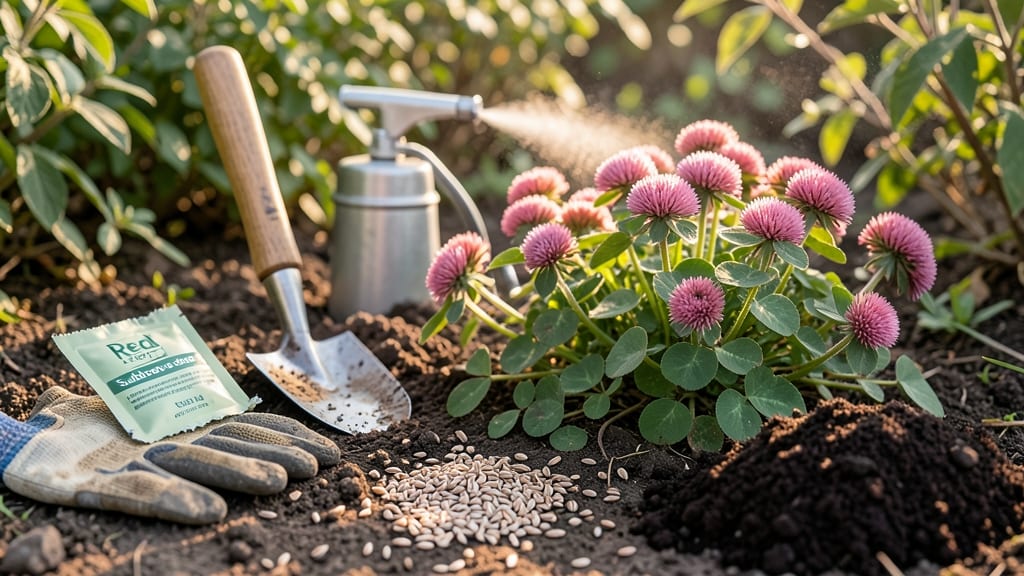
Timing your clover planting in Washington State can make the difference between a lush, nitrogen-rich lawn and a patchy disappointment. With USDA Zones 6b-8b spanning from Eastern WA’s dry valleys to the rain-soaked coast, getting the season right isn’t just about calendar months—it’s about microclimates, frost dates, and soil readiness.
Most gardeners in WA swear by early spring (March–April) or early fall (September–October) planting, but the last frost dates vary wildly—April 15 in Eastern WA versus May 1 on the coast.
Plant too early, and frost will nip your young 🌱 clover in the bud; too late, and summer heat stresses seedlings before they establish roots.
White Dutch clover thrives in WA’s mild winters, while red clover handles slightly cooler temps—both love the Pacific Northwest’s 60%+ sunlight. The key is preparing your soil 4–6 weeks before planting, ensuring it’s loose, well-drained, and free of weeds.
Skip this step, and you’ll spend next year battling competition instead of enjoying your clover’s benefits.
I’ll break down the exact planting windows for your region, soil prep secrets, and how to avoid the most common pitfalls—like planting too late in fall or ignoring your local microclimate. Ready to grow clover that outlasts the seasons?
Washington State clover planting calendar by USDA Zone and region
Washington State’s USDA Zones 6b–8b create dramatic differences in clover planting success. Coastal areas like Puget Sound (Zone 8b) enjoy mild winters, while Eastern WA (Zone 6b) faces earlier frosts.
Understanding these zones helps you pick the perfect 6-week window for germination—either early spring (March–April) or early fall (September–October).
For white Dutch clover, the most popular lawn variety, aim for soil temps of 50–70°F. In Western WA, this aligns with March–April planting after the last frost (May 1 in Seattle).
Meanwhile, Eastern WA gardeners should plant by April 15 to avoid summer heat stress. Fall planting works too—just finish by September 15 to let roots establish before winter.
Microclimates matter: Mountainous regions like Leavenworth (Zone 6b) have 150 frost-free days, while Bellingham (Zone 8b) stretches to 200 days. Adjust your timeline accordingly—high-elevation areas need earlier spring plantings, while coastal zones can extend into late April.
Here’s how planting timing breaks down by region and variety:
September 1–15
August 15–31
September 15–30
Pro tip: Test soil temps with a soil thermometer—clover seeds won’t germinate below 50°F. In Eastern WA, wait until soil warms to 60°F to avoid slow growth. Coastal areas can plant 2 weeks earlier thanks to milder nights.
For lawn overseeding, time it with cool-season grasses. Plant clover in early fall (September) when fescue is actively growing, or in late winter (February) before new grass shoots appear. This 2-phase approach ensures both plants establish without competing for resources.
Missed the spring window? Fall planting still works—just avoid late August when summer heat lingers. In Zone 8b, aim for September 1–15; in Zone 6b, wrap up by August 31. The key is giving roots 6–8 weeks to establish before winter dormancy.
Remember: Clover is a nitrogen-fixer, so it thrives in poor soil. But timing still matters—plant too late, and winter rains may wash seeds away. Use a starter fertilizer with phosphorus (P) to boost root growth during critical establishment phases.
🌱
Signs your washington soil is ready for clover (and when to adjust)
Washington’s Pacific Northwest climate brings unique challenges for clover planting—too much rain in winter or rocky soil can delay germination. Before you plant, check these three critical soil conditions to ensure success. Clover thrives when soil temps hit 50–70°F and moisture levels are ideal, but WA’s variable rainfall complicates timing.
Start by testing your soil moisture with a simple finger test: press your finger 1–2 inches deep.
If the soil feels damp but not soggy, it’s ready for clover seeds. Coastal WA areas often need planting in early spring (March–April) to avoid winter waterlogging, while inland regions can handle fall planting until mid-October.
Next, verify your soil temperature using a soil thermometer. Clover seeds germinate best between 50–70°F. In Western WA, this typically aligns with April–May, while Eastern WA may see ideal temps as early as March. If temps dip below 45°F, delay planting to avoid poor germination.
Don’t overlook nitrogen levels—clover fixes its own nitrogen, but acidic or depleted soils (common in WA’s volcanic regions) can stunt growth. Conduct a pH test (ideal range: 6.0–7.0). If your soil tests below 6.0, amend with lime 4–6 weeks before planting.