
Plants
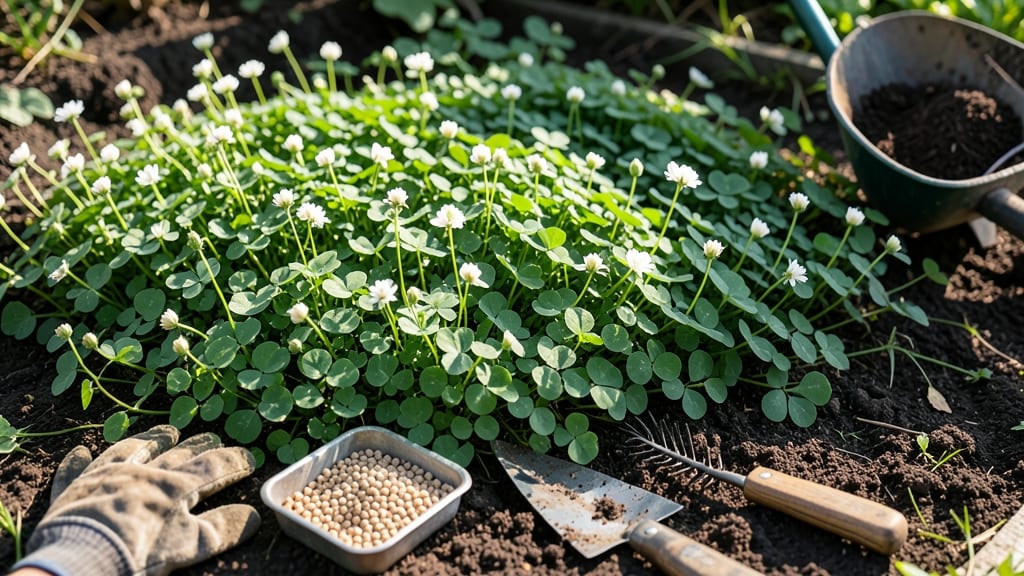
Planting clover in the fall can transform your soil and lawn next spring—but getting the timing right is everything. If you plant too early, seeds may sprout and get fried by summer heat; too late, and frost will smother them before they take root.
The 4-6 week window before your first frost is your golden opportunity, but how do you know exactly when that is for your region?
I’ve helped gardeners in USDA Zone 6a (and beyond) nail this timing, and the secret lies in soil temperature—not just calendar dates. When soil cools to 50-65°F, clover seeds germinate just in time to establish roots before winter sets in.
This isn’t guesswork; it’s science-backed strategy to ensure your 🌱 clover thrives.
What happens if you miss the window? You might end up with patchy growth or wasted seeds. But don’t worry—I’ll walk you through how to adjust for early/late frosts, choose the right clover variety for your climate, and prep your soil so your plants hit the ground running.
Let’s set you up for a lush, nitrogen-rich lawn by next spring.
Ready to turn your fall planting into a spring success story? Stick with me, and you’ll learn the exact steps to time it perfectly, avoid common mistakes, and keep your clover happy year-round. Your future lawn will thank you!
Ideal fall planting windows by USDA hardiness Zones: soil temp and frost guidelines
Nailing the fall clover planting window depends on two critical factors: soil temperature and your first frost date. Clover seeds need 50–65°F soil temps to germinate properly, and planting 4–6 weeks before frost gives roots time to establish before winter.
Let’s break it down by USDA hardiness zones so you can time your planting like a pro.
In Zones 3–5 (Northern climates), aim for late August to mid-September. Soil temps drop faster here, so don’t wait too long—early September is your last safe window. For Zones 6–8 (Midwest and Southern states), mid-September to early October works best, as frost arrives later.
Southern gardeners in Zones 9–11 have flexibility until late October, but avoid planting too close to frost. Clover thrives in cooler temps but won’t survive consistent freezing. Always check your local frost dates—the National Weather Service or Old Farmer’s Almanac are great resources.
Here’s the golden rule: Plant when daytime highs average 70°F but nights dip below 60°F. This balance signals your clover it’s time to germinate but not bolt (a common mistake!).
🌱 Fall Clover Planting by USDA Zone
| Zone | Ideal Planting Window | Soil Temp Range (°F) | Key Tip |
|---|---|---|---|
| 3–5 | Late August–Mid-September | 50–60°F | Use row covers if frost arrives early. |
| 6–8 | Mid-September–Early October | 55–65°F | Stagger planting if frost dates vary yearly. |
| 9–11 | Late September–Late October | 60–70°F | Avoid planting after first frost. |
⚠️ Pro Tip: Test soil temps with a soil thermometer—don’t guess! Clover seeds won’t germinate below 50°F.
If you’re in a transition zone (like Zone 7b), err on the earlier side. For example, Atlanta (Zone 7a) might see frost by November 15, so plant by late September. Meanwhile, Austin (Zone 8b) can wait until mid-October.
One more critical tip: White clover and red clover have slightly different tolerance levels. White clover handles cooler soils better, while red clover needs warmer temps (60°F+). Choose your variety based on your zone and microclimate (e.g., shady spots cool faster).
For container gardening, extend your window by using heat mats or moving pots to a sheltered spot. Clover in containers can stay active longer, but don’t let soil freeze—mulch heavily with straw or leaves once temps drop below 40°F at night.
Finally, if you miss the window, don’t panic! You can overseed in early spring (March–April), though fall planting yields stronger roots and better frost resistance for next year. The key is consistency—once established, clover will self-seed and thrive for years.
Now that you’ve got your planting dates locked in, let’s talk about how to spot the perfect timing—and what happens if you’re too early or too late. Stay tuned! 🌿
Ideal fall planting windows by USDA hardiness Zones: soil temp and frost guidelines
Fall is the perfect time to plant clover because cooler temperatures help seeds establish strong roots before winter dormancy. The key is planting 4-6 weeks before your region’s first frost date, when soil temps hover between 50-65°F.
This window lets clover germinate and grow without rushing toward winter too quickly.
Your USDA hardiness zone determines the exact timing. Northern climates (Zones 3-5) should plant in late August to early September, while Southern regions (Zones 7-9) can extend planting until mid-October. Always check your local frost dates—planting too late risks seeds freezing before germination.
| USDA Zone | Planting Window | Soil Temp (°F) | Frost Date Target |
|---|---|---|---|
| Zones 3-5 (Cold Climates) | Late August - Early September | 50-55°F | 4-6 weeks before first frost (late Sept-Oct) |
| Zones 6-7 (Temperate) | Mid-September - Early October | 55-60°F | 4-6 weeks before first frost (Nov) |
| Zones 8-9 (Mild Climates) | October - Early November | 60-65°F | 6-8 weeks before first frost (Dec) |
For Northern climates, aim for late August to give clover enough time to establish roots before winter. In Southern regions, you can push planting until mid-October because milder winters allow for later germination. Always test your soil temperature with a thermometer—it’s the best way to confirm readiness.
If you’re unsure about frost dates, use the National Weather Service or your local cooperative extension office for precise timelines. These resources provide historical frost data tailored to your zip code, ensuring you plant at the optimal moment for your specific location.
One pro tip: Stagger your planting if your region has unpredictable frost dates. Sow half your seeds at the start of your window and the other half 2-3 weeks later. This hedges against early or late frosts, giving you the best chance for full coverage next spring.
Remember, clover thrives in cool-season conditions, so don’t wait until temperatures drop below 50°F—this slows germination and weakens seedling vigor. With the right timing, your fall-planted clover will reward you with a lush, nitrogen-rich lawn by spring. 🌱