
Plants
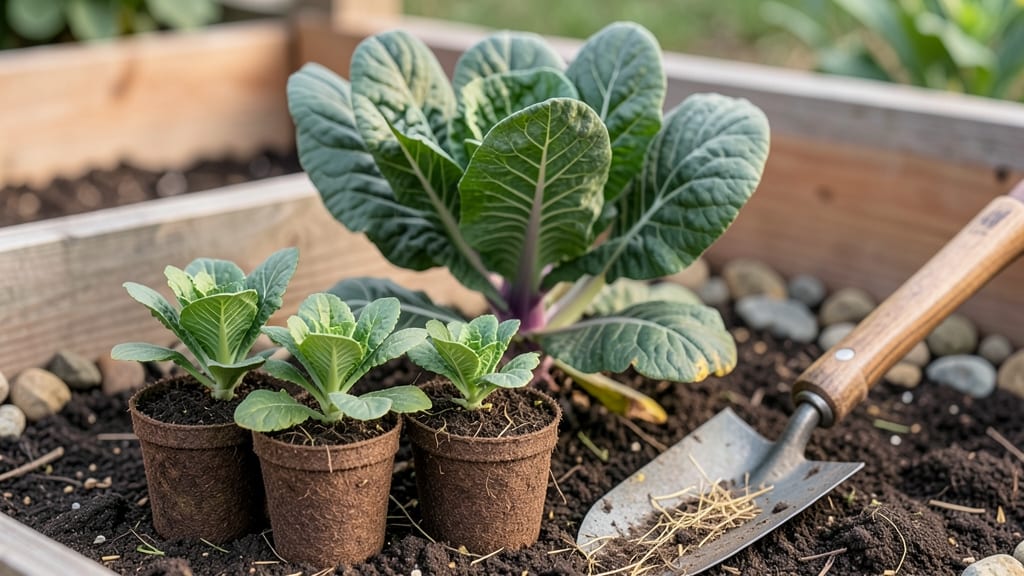
Timing your collard greens 🥬 planting in Tennessee can mean the difference between a bountiful harvest and a bitter disappointment. The key isn't just about the calendar—it's about understanding your zone's last frost dates and soil temperatures to give these cold-hardy greens the best start.
If you've ever planted too early and watched your collards bolt in the heat or too late and struggled with stunted growth, you know how critical this window is.
Tennessee's 6a-7b zones offer two perfect opportunities: early spring (March-April) and late summer (August-September), but getting the timing just right makes all the difference.
I'll walk you through exactly when to plant for your specific zone, how to adjust for Tennessee's microclimates, and even how to extend your harvest through winter. No more guessing—just science-backed timing to keep your collard patch thriving all season.
Let's dive into the frost-free schedule that'll have you enjoying homegrown collard greens from fall through spring, no matter where you are in the state. Your taste buds (and dinner plate) will thank you!
Tennessee planting zones & best collard green timeline by month
Tennessee’s USDA zones 6a-7b create perfect conditions for growing collard greens, but timing matters. Plant too early, and you’ll risk frost damage; too late, and your harvest may taste bitter. The key is aligning your planting with soil temperatures and frost dates—here’s how to do it right.
Most Tennessee gardeners focus on two planting windows: early spring and late summer. Spring plantings give you a fall/winter harvest, while late-summer starts produce spring greens. Let’s break down the exact months and soil conditions for each zone.
Zone 6a (northwest TN) has the coldest winters, with last frost dates around March 15 and first frosts by November 15. Zones 7a-7b (middle/southern TN) enjoy longer growing seasons, with last frosts as late as March 25 and first frosts after November 20. Adjust your schedule accordingly.
For spring plantings, aim to sow seeds 4-6 weeks before your last frost date. In Zone 6a, that’s mid-February to early March, while Zone 7b gardeners can start late February to early April. Soil should be at least 40°F (4°C)—use a soil thermometer to check.
For fall plantings, sow seeds 8-10 weeks before your first frost. This gives collards time to mature before cold weather sets in. In Zone 6a, that’s early August to mid-September, while Zone 7b gardeners can extend to late September.
Soil should be 55-65°F (13-18°C) for optimal germination.
If you miss these windows, don’t panic! Tennessee’s mild winters allow for winter sowing in some zones. In Zone 7b, you can plant collard seeds directly in late fall (October-November) for a winter harvest. Just protect seedlings with row covers or straw mulch to prevent frost damage.
Pro tip: Use cold-hardy varieties like ‘Georgia Southern’ or ‘Vates’ for Tennessee’s climate. These varieties tolerate light frosts and even improve in flavor after frost—perfect for extending your harvest into winter.
Always check your local frost dates using the Almanac’s Frost Calculator or ask your local Cooperative Extension office for zone-specific advice. A few degrees difference in soil temperature can mean the difference between successful germination and failed seeds.
Remember, collard greens grow best in full sun (6+ hours daily) and well-draining soil with a pH of 6.0-7.0. Test your soil before planting to avoid nutrient deficiencies that stunt growth.
With this timeline, you’ll enjoy tender, flavorful collards from fall through winter—or even year-round with the right strategies. Happy planting! 🥬
Tennessee planting zones & best collard green timeline by month
Tennessee’s USDA zones 6a-7b create perfect conditions for collard greens, but planting timing varies dramatically between northern highlands and southern valleys. The key is aligning your schedule with soil temperatures (ideal: 45-85°F) and frost dates—which shift by 2-3 weeks across the state.
For spring planting, aim for March-April in northern TN (Nashville area) and February-March in southern TN (Memphis/Chattanooga). Fall planting should start 8-10 weeks before first frost—typically August-September—to ensure mature plants before winter sets in.
Here’s your zone-specific planting timeline with frost-free windows and soil prep tips:
| Zone | Spring Planting | Fall Planting | Soil Temp | Key Notes |
|---|---|---|---|---|
| 6a (Northeast TN) | Mid-April to May 15 | August 15-Sept 1 | 45-85°F | Use row covers for early spring |
| 6b (Middle TN) | March 15-April 30 | August 1-Sept 15 | 45-85°F | Direct sow after last frost |
| 7a (West TN) | February 15-March 30 | July 15-August 30 | 50-90°F | Longer growing season |
| 7b (Southwest TN) | January 15-February 28 | June 15-July 31 | 50-90°F | Heat-tolerant varieties best |
Pro tip: Test your soil pH (ideal: 6.0-7.0) before planting—lime may be needed in acidic Tennessee soils. For northern zones, use black plastic mulch to warm soil faster in early spring.
In southern TN, watch for late-summer heatwaves—plant shade cloth over seedlings if temps exceed 90°F during establishment. Succession planting every 2-3 weeks in fall ensures continuous harvests through winter.
Remember: Collards taste sweeter after frost, so fall-planted greens often yield the best flavor. Start seeds indoors 4-6 weeks before transplanting to extend your season.