
Plants
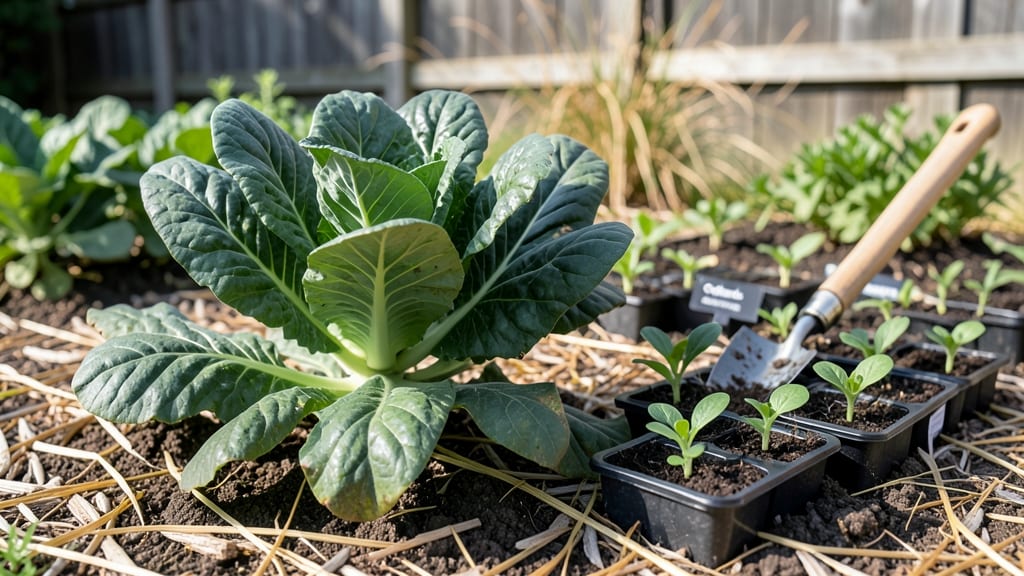
Planting collards in Georgia (GA) at the wrong time can turn your garden dreams into bitter disappointment—but timing it right means sweet, frost-sweetened leaves all winter long. Unlike finicky summer crops, collards thrive in cooler weather, making fall and early spring the perfect windows for zero-bolt success.
Most Georgia gardeners miss the mark by planting too early, only to watch their plants bolt in the heat. The key is understanding your USDA zone (7b-9a) and local frost dates, which can vary by 30 days between Atlanta and Savannah.
With the right schedule, you’ll enjoy harvests from October through March—no guesswork required.
In this guide, I’ll break down the exact planting dates for your region, plus pro tips to extend your harvest beyond the first frost.
Whether you’re a first-time gardener or a seasoned green thumb, these strategies will help you grow collards that taste like they came straight from a Southern grandmother’s kitchen.
Ready to skip the trial-and-error? Let’s dive into the frost-free timeline that’ll keep your 🥬 collards happy, healthy, and ready to harvest all season long.
Georgia’s collard planting zones: exact dates to avoid bolting
Georgia’s diverse climate—from the humid Coastal Plain to the cooler Piedmont—means your collard planting window varies by region. But whether you're in Atlanta (Zone 7b), Savannah (Zone 8a), or Augusta (Zone 8b), timing is everything to prevent heat-induced bolting or frost damage.
The key? Plant when daytime highs stay below 85°F and nights dip near 60°F.
Collards thrive in Georgia’s fall and spring seasons, but the exact dates depend on your USDA zone and local microclimate. For example, Savannah’s longer frost-free season lets you plant later than Atlanta’s shorter window.
Let’s break it down by zone so you can avoid the two biggest mistakes: planting too early (risking bolting) or too late (missing the frost window).
⚠️ NON-NEGOTIABLE: Always check your local first frost date (typically mid-November in most of GA) and last frost date (around mid-March) before finalizing your schedule. Use the Georgia Climate Project’s frost maps for precision.
Here’s your Georgia-specific collard planting timeline, tailored to avoid bolting while maximizing harvests before winter chills set in:
| Zone & Location | Fall Planting Window | Spring Planting Window | Key Notes |
|---|---|---|---|
| Zone 7b (Atlanta, Dahlonega) | Late August – early October | Mid-March – April 15 | Coolest zone; plant 6 weeks before first frost (Nov 15). Use row covers in late fall. |
| Zone 8a (Savannah, Macon) | September 15 – October 31 | March 1 – April 30 | Longer frost-free season; can extend harvest into December with protection. |
| Zone 8b (Augusta, Columbus) | September 1 – November 1 | February 15 – April 15 | Hottest zone; shade cloth (30-50%) helps in late summer plantings. |
| Microclimate Adjustments | Plant 2 weeks earlier in valleys (cooler air pools). | Plant 2 weeks later on south-facing slopes (warmer microclimate). | Urban areas (e.g., Atlanta) may need 1 week earlier due to heat islands. |
For fall plantings, aim to harvest before hard frosts (below 25°F). In Zone 7b, this means harvesting by December 15, while Zone 8b gardeners can extend harvests into January with row covers. Pro tip: Succession plant every 2 weeks in fall to stagger harvests.
Spring plantings should happen 4-6 weeks after your last frost date. In Atlanta, this is typically mid-April, but Savannah gardeners can start as early as late February in sheltered microclimates. Always harden off seedlings for 7-10 days before transplanting to avoid shock.
If you’re seed-starting indoors, begin 6-8 weeks before your target outdoor date. For Zone 7b, this means late June for fall crops or January for spring. Use grow lights to prevent leggy seedlings, and transplant outdoors when seedlings have 4-6 true leaves.
Remember: Collards are cold-hardy (tolerating 15-20°F), but they bolt in heat (above 80°F for 3+ days). In Georgia’s summer, focus on shade and irrigation to keep plants happy until fall. For year-round harvests, combine fall and spring plantings with succession sowing.
🌱
Georgia’s collard planting zones: exact dates to avoid bolting
Georgia’s diverse climate—from the humid Coastal Plain to the Piedmont’s milder winters—means collard planting dates vary by region. The key is timing seeds or transplants 4-6 weeks before your first frost (typically mid-November) to ensure a long harvest window before cold snaps hit.
In USDA zones 7b-8b, this translates to two main planting windows: late summer/early fall and early spring.
For fall harvests, start seeds indoors by mid-August or transplant seedlings by early September. This gives plants enough time to mature before first frost dates (Coastal GA: Nov 1; Piedmont: Nov 15).
Spring plantings should begin after your last frost (usually mid-March in most zones) for a late-winter harvest before summer heat arrives.
| Region | USDA Zone | Fall Planting Window | Spring Planting Window | First Frost |
|---|---|---|---|---|
| North GA (Atlanta) | 7b | Aug 20 - Sep 15 | Mar 15 - Apr 1 | Nov 15 |
| Central GA (Macon) | 8a | Aug 25 - Sep 20 | Mar 1 - Apr 5 | Nov 1 |
| South GA (Savannah) | 8b | Sep 1 - Sep 25 | Feb 20 - Mar 15 | Nov 25 |
In Coastal Georgia (like Savannah), where winters are milder, you can even plant collard seeds in late fall (October) for a winter-to-spring harvest. However, avoid planting in summer heat—temperatures above 85°F trigger bolting (premature flowering), ruining your crop.
If you must plant in summer, use shade cloth (30-50%) and heat-tolerant varieties like 'Georgia Southern'.
For container gardening, adjust timing slightly: containers warm up faster, so plant 2 weeks earlier than in-ground beds. Use 5-gallon pots with well-draining soil to prevent root rot—a common issue in Georgia’s clay-heavy soils. Mulch with straw or pine needles to retain moisture and regulate soil temperature.
Pro tip: Check your local Cooperative Extension Service (e.g., UGA Extension) for hyper-local frost dates. Microclimates—like urban heat islands in Atlanta—can shift frost dates by 1-2 weeks. For example, downtown Atlanta may frost 3 days earlier than suburban areas.
Once planted, collards thrive in cool weather and even tolerate light frosts (down to 20°F). Their cold-hardy nature makes them Georgia’s ultimate winter green, but timing is everything to avoid bitter, woody leaves or wasted effort.