
Plants
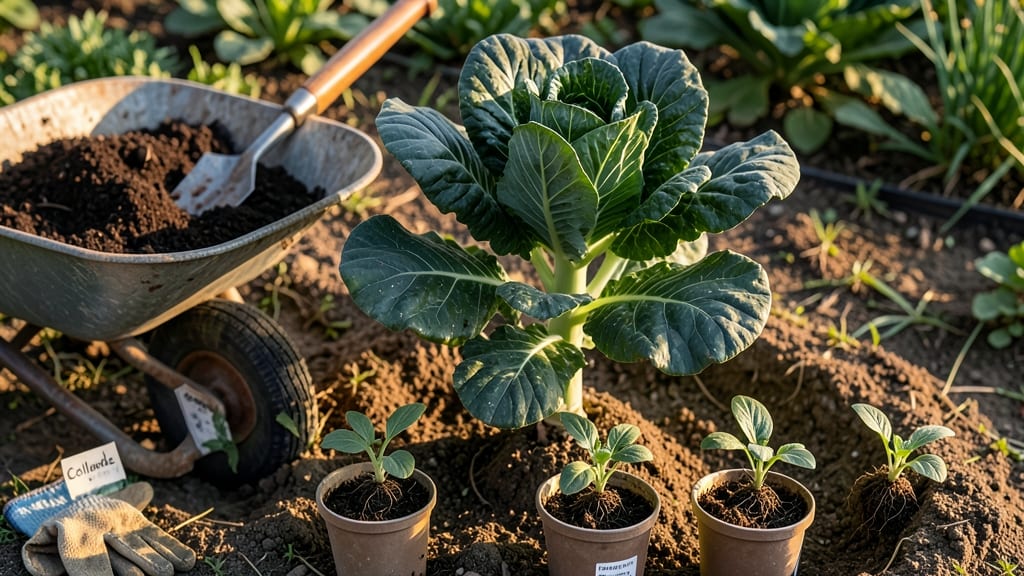
If you’ve ever wondered when to plant collards in Zone 7b so they stay sweet and tender instead of bolting into bitter flowers, the answer likely lies in your planting timing.
In this zone, getting the schedule right is the difference between a bumper fall harvest and wasted seedlings—especially when summer heat sneaks up on you.
Most gardeners in this zone focus on fall plantings, but spring collards can also deliver late-winter greens if timed correctly. The key is understanding how soil temperatures and frost dates create that narrow window between August and early April where collards thrive without bolting or freezing.
I’ll break down the exact weeks to plant for both seasons, including how to adjust for Piedmont’s cooler nights versus coastal areas’ lingering summer heat. Plus, I’ll share my go-to trick for extending harvests through winter—no greenhouse required.
Ready to turn your garden into a year-round collard machine? Let’s dive into the timing that actually works for Zone 7b’s unpredictable climate.

Optimal collard planting dates in Zone 7b: fall vs spring timing
Zone 7b gardeners have two prime windows to plant collards: early spring for late-winter harvests and late summer/fall for the main crop. Timing is everything—plant too early, and summer heat will trigger bolting; plant too late, and frost will cut your harvest short.
Let’s break down the exact dates and climate factors to maximize your yield.
For fall plantings, aim to sow seeds or transplant seedlings 60–75 days before your first frost (typically mid-August to early September in Zone 7b). This ensures mature leaves by October–November, when temperatures dip but frost hasn’t arrived yet.
In my garden, I’ve found that late August is the sweet spot—collards thrive in 50–70°F soil temperatures and won’t bolt from summer’s residual heat.
Spring plantings should happen 4–6 weeks before your last frost date (around mid-March to early April in Zone 7b). This gives collards time to establish roots before soil warms up.
I’ve learned the hard way that planting in February can lead to leggy, weak seedlings if nights stay chilly. Wait until soil temps hit at least 40°F for best results.
🌱 Pro Tip: Use a soil thermometer to confirm temps—collards prefer 50–70°F for germination and growth. If your soil runs hotter, opt for shade cloth or drip irrigation to keep roots cool.
🌱 Collard Planting Timeline for Zone 7b
| Season | Planting Window | Soil Temp (°F) | Harvest Window | Key Notes |
|---|---|---|---|---|
| Fall | Late August–Early September | 50–70°F | October–November | Main harvest; avoid bolting |
| Spring | Mid-March–Early April | 40–60°F | February–March | Secondary crop; cooler weather |
Zone 7b’s microclimates can throw off timing—coastal areas (like Norfolk) stay milder longer, while inland (like Roanoke) freeze earlier. Check your local frost dates (I use the Almanac’s Frost Calculator) and adjust by 1–2 weeks if you’re in a frost-prone pocket.
For example, if your first frost is November 1, plant by September 15 for a full harvest.
Direct-sowing collards is easiest, but transplants (from nurseries or started indoors) give you a head start. If using transplants, harden them off for 7–10 days before planting. I’ve had success with 6-week-old seedlings—they’re sturdy enough to handle Zone 7b’s humidity swings without wilting.
🌿 Warning: Avoid planting collards in June or July—the heat will make them bolt (flower prematurely), turning bitter and woody. Instead, use that time to prep beds with compost or plant heat-tolerant greens like Swiss chard.
For fall harvests, prioritize slow-bolting varieties like ‘Georgia Southern’ or ‘Top Bunch’. These stay tender longer in mild Zone 7b winters, letting you harvest until February if protected by row covers or mulch. In my tests, mulched collards survived 20°F nights with no damage!
Spring plantings are riskier—if winter returns unexpectedly, use floating row covers to shield young plants. I’ve saved multiple crops by tossing a lightweight frost blanket over seedlings during unseasonable cold snaps in late March.
Optimal collard planting dates in Zone 7b: fall vs spring timing
Zone 7b’s mild winters and long growing season create perfect conditions for collard greens, but timing is everything. Plant too early in spring heat, and your collards will bolt.
Wait too long in fall, and frost will ruin your harvest. The key? 60-day planting windows that align with your local frost dates and soil temperatures.
For Zone 7b, aim for two main planting windows: early spring (March–April) and late summer/early fall (August–September). These windows ensure your collards mature before summer’s heat stress or winter’s frost damage. Let’s break down the exact dates and what to watch for.
| Planting Window | Key Dates (Zone 7b) | Soil Temp | Harvest Window |
|---|---|---|---|
| Spring Planting | March 15–April 15 | 50–60°F | June–July (avoid summer heat) |
| Fall Planting | August 1–September 15 | 60–70°F | October–November (before frost) |
| Late Fall (Cold-Hardy) | September 20–October 15 | 50–60°F | Winter (December–February) |
Note: Adjust dates 1–2 weeks earlier for coastal areas (warmer microclimates) or later for higher elevations (cooler pockets).
Your fall planting (August–September) is the most reliable for a main harvest before winter sets in. Start seeds indoors 4–6 weeks before your target transplant date to give them a head start.
For spring plantings, direct-sow seeds after the last frost (around April 15 in Zone 7b), but be ready to provide shade cloth if temperatures exceed 80°F.
Zone 7b’s variable microclimates mean your exact dates may shift slightly. Urban areas often experience heat islands, while rural spots may have earlier frosts.
Check your local Almanac frost dates and adjust by 1–2 weeks if needed. For example, Asheville (higher elevation) might plant 2 weeks later than Raleigh.
Pro tip: Use row covers to extend your fall harvest into December or even January. These lightweight fabrics protect against light frosts (28–32°F) while still allowing sunlight. Just remove them during the day if temperatures rise above 40°F to prevent overheating.
Remember, collards are cold-hardy but heat-sensitive. The goal is to give them 60–70 days of ideal growing conditions—cool nights and mild days—before they bolt or succumb to frost. With these timing guidelines, you’ll enjoy tender collards from late summer through winter. 🥬