
Plants
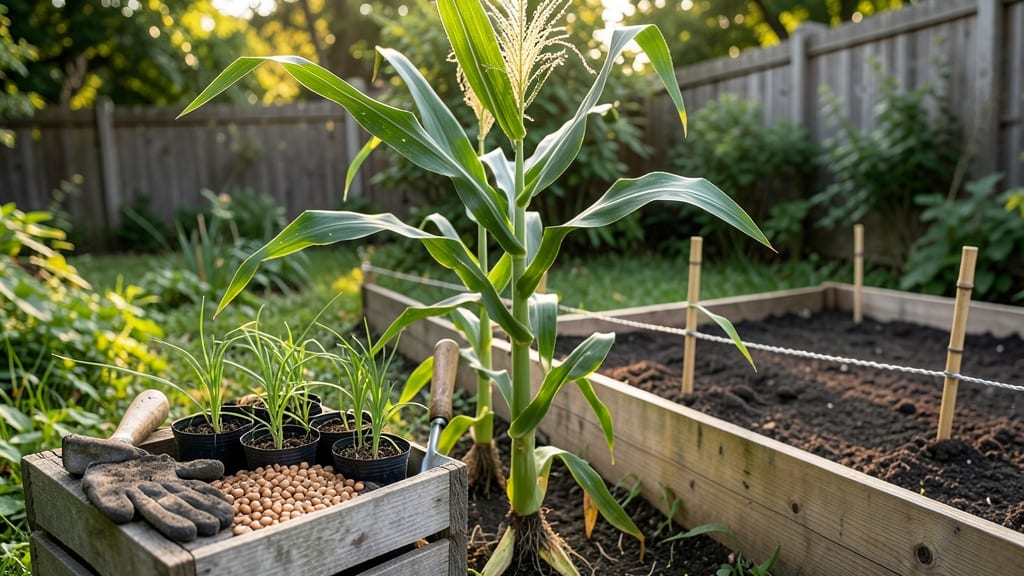
Timing your corn planting in Canada isn't just about the calendar—it's about beating frost, warming soil, and giving those stalks of 🌽 enough time to mature before winter sneaks back in.
One wrong move, and you could end up with sad, stunted ears instead of the sweet harvest you're dreaming of.
I've seen firsthand how a two-week delay can mean the difference between a garden full of golden kernels and a patch of frozen disappointment. The key? Understanding your hardiness zone, tracking soil temperatures, and choosing varieties that match your region's short growing season.
From the mild coastal climates of British Columbia to the cooler inland areas of Ontario and the Maritimes, Canada's diverse regions demand different strategies.
Whether you're a beginner gardener or a seasoned farmer, this guide will help you pinpoint the perfect planting window for your location—so you can enjoy homegrown corn that rivals anything from the grocery store.
Let's dive into the science behind successful corn planting, including when to start seeds indoors (if you dare), how to extend your growing season with clever tricks, and which varieties thrive in Canada's unpredictable climate. Your future summer barbecues will thank you!
Canada’s corn planting Zones: when to plant by Hardiness Zone
Corn loves warmth, and Canada’s climate can be a real challenge—especially in Zones 2–4 where frost lingers late into spring. The key to success? Planting after your average last frost date when soil temperatures hit 10°C (50°F).
But timing varies wildly across provinces—Vancouver’s mild winters let you plant weeks earlier than Manitoba’s short season. Let’s break it down by zone so you can avoid frost-killed seedlings and maximize your harvest.
First, check your Canada Plant Hardiness Zone (most Canadians fall between Zone 2–7). Corn needs 90–120 frost-free days to mature, so your planting window shrinks dramatically in northern regions.
For example, in Zone 3 (e.g., Edmonton, Winnipeg), you might only have a 3-week window between frost risks, while Zone 5 (Toronto, Calgary) gives you flexibility until early June. Use local weather stations or the Canadian Hardiness Zone Map to pinpoint your exact dates.
Here’s the critical rule: Never plant corn until the soil is warm enough. Stick your finger 4 inches deep—if it’s cold, your seeds won’t sprout. In cooler zones, use black plastic mulch 2 weeks before planting to warm the soil faster.
Pro tip: Plant sweet corn varieties first, as they mature faster than field corn. Now, let’s dive into the zone-by-zone breakdown to find your perfect planting window.
| Zone | Avg Last Frost Date | Recommended Planting Window | Frost-Free Days Needed | Best Varieties |
|---|---|---|---|---|
| Zone 2 (e.g., Yellowknife) | Mid-June | Late May–Early June (with soil warming) | 90–100 days | 'Early Sunglow' (75 days), 'Golden Bantam' (80 days) |
| Zone 3 (e.g., Edmonton, Winnipeg) | Late May–Early June | Mid-May–Late May (use mulch!) | 100–110 days | 'Ambrosia' (85 days), 'Peaches and Cream' (90 days) |
| Zone 4 (e.g., Saskatoon, Ottawa) | Early–Mid June | Late April–Early May | 110–120 days | 'Silver Queen' (90 days), 'Country Gentleman' (100 days) |
| Zone 5 (e.g., Toronto, Calgary) | Mid–Late May | Mid–Late May (soil temp ≥10°C) | 120–130 days | 'Peaches and Cream' (90 days), 'Honey & Pearl' (100 days) |
| Zone 6 (e.g., Vancouver, Montreal) | Early–Mid May | Early–Mid May (or start indoors in March) | 120–140 days | 'Bodacious' (95 days), 'Kandy Korn' (105 days) |
| Zone 7 (e.g., Victoria, Halifax) | Late April–Early May | Early April–Early May (long season!) | 130–150 days | 'Peaches and Cream' (90 days), 'Ambrosia' (85 days) |
In Zones 2–4, where frost can strike anytime, I recommend planting fast-maturing varieties like 'Early Sunglow' (75 days) and using row covers to extend the season. These zones are tricky,
Best corn varieties for Canada’s climate: short-season vs. sweet vs. field corn
Choosing the right corn variety is just as critical as timing in Canada’s varied climate. Short-season varieties are non-negotiable in Zones 2–4, while sweet corn thrives in longer seasons.
Field corn, though less common for home gardens, can work in Zones 5–7 with the right planning. Let’s break down the best options for your region and growing goals.
For short-season gardens (Zones 2–4), prioritize varieties that mature in 80–90 days. These include ‘Early Sunglow’ (85 days) and ‘Golden Bantam’ (75 days), both of which tolerate cooler soils and shorter summers.
In Zones 5–7, you can expand to ‘Peaches and Cream’ (90 days) or ‘Silver Queen’ (95 days), which offer sweeter kernels but need more warmth.
🌽 Short-Season Corn Varieties
| Variety | Days to Maturity | Best Planting Window | Disease Resistance | Best For |
|---|---|---|---|---|
| Golden Bantam | 75 days | Late May–early June | Moderate | Zones 2–4, heirloom |
| Early Sunglow | 85 days | Mid-May–late May | High | Zones 3–5, sweet |
| Ambrosia | 80 days | Early May–mid-May | Very High | Zones 2–4, super-sweet |
🌽 Sweet Corn Varieties
| Variety | Days to Maturity | Best Planting Window | Yield Potential | Best For |
|---|---|---|---|---|
| Peaches and Cream | 90 days | Late May–early June | High | Zones 5–7, home gardens |
| Silver Queen | 95 days | Mid-May–late May | Very High | Zones 6–7, fresh eating |
If you’re growing corn for animal feed or ethanol production, field corn varieties like ‘Pioneer 39F35’ (100 days) work well in Zones 5–7. These varieties demand warmer soils and longer seasons, so avoid them in Zones 2–4 unless you’re using row covers or greenhouses.
Hybrid varieties often outperform heirlooms in Canada due to their disease resistance and consistent maturity. For example, ‘Ambrosia’ is a hybrid that thrives in short seasons, while ‘Golden Bantam’, an heirloom, requires extra care to avoid mold in humid regions.
Always check seed packets for days to maturity and recommended zones before purchasing.
Pro tip: In Zones 3–4, pair your corn with beans or squash to improve soil nitrogen and deter pests. This companion planting strategy can boost yields by up to 20% in cooler climates.
For gardeners in Zones 5–7, don’t overlook succession planting. By staggering plantings every 2 weeks, you can extend your harvest window by 4–6 weeks, ensuring fresh ears throughout summer and early fall.