
Plants
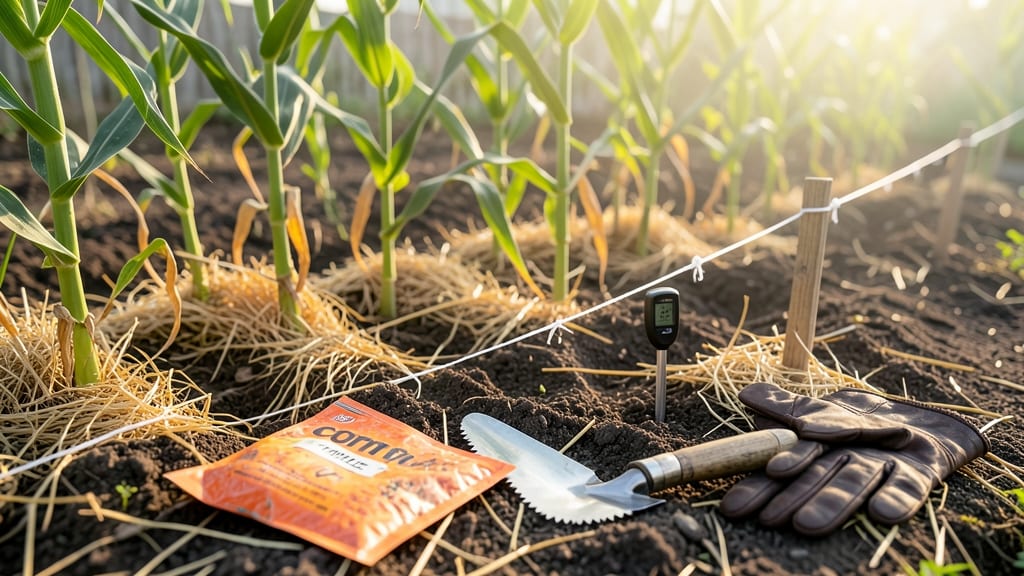
Knowing when to plant corn in Zone 6a is the secret to sweet, plump ears that burst with flavor—not just any harvest. In this region, where frost can still linger into April, timing your 🌽 seeds just right means the difference between a thriving garden and a sad, stunted crop.
Most gardeners in Zone 6a wait until the soil warms to at least 60°F, typically between mid-April and early June after the last frost. But here’s the catch: planting too early risks cold soil and slow germination, while waiting too long cuts your harvest window short.
Let’s break down the exact weeks before last frost that work best for your variety—whether you’re growing sweet corn, popcorn, or field corn.
You’ll also discover how to prep your soil for maximum growth, adjust for early vs. late-maturing varieties, and avoid common mistakes that kill yields. By the end, you’ll have a foolproof plan to turn your Zone 6a garden into a cornucopia of fresh, homegrown goodness.
Ready to grow corn that rivals the best at the farmers' market? Let’s get started with the step-by-step guide you’ve been waiting for.

Optimal corn planting weeks before last frost in Zone 6A
In Zone 6A, where the average last frost date is around April 15, timing your corn planting is critical for a successful harvest.
Corn thrives in warm soil and needs 90-120 frost-free days to mature—so planting too early risks frost damage, while planting too late may result in stunted plants. The sweet spot? Sow seeds 2-3 weeks after your last frost date, typically late April to early May.
For early-maturing varieties (60-75 days to harvest), you can push the timeline slightly—planting as early as mid-April if soil temperatures are consistently above 50°F. However, most gardeners in Zone 6A opt for late April to early May to balance frost risk with warm soil conditions.
This window ensures your corn has enough time to reach harvest maturity before the first frost in mid-October.
Pro Tip: Use a soil thermometer to confirm soil temps are 60°F+ before planting—corn seeds won’t germinate well in cooler soil. If your soil is still chilly in April, wait until early May to avoid slow sprouting or rot.
Here’s a quick reference for Zone 6A corn planting based on variety maturity:
If you’re aiming for a continuous corn harvest, consider staggering plantings. Sow a second batch 1-2 weeks later to extend your harvest window into early fall.
For example, plant your first batch in late April and a second in early May—this way, you’ll have ears ready in July and August instead of all at once.
Remember, corn is a heavy feeder, so prioritize planting after you’ve amended your soil with compost or fertilizer. Aim for a pH of 6.0-7.0 and well-draining soil to give your plants the best start.
Once your seeds are in the ground, maintain consistent moisture—corn roots need 1-1.5 inches of water per week, especially during tasseling and ear development.
For gardeners in Zone 6A with shorter summers, focus on early- to mid-season varieties like ‘Silver Queen’ or ‘Peaches and Cream.’ These varieties mature in 75-90 days, giving you a better chance of avoiding early fall frosts.
If you’re feeling adventurous, you can also try succession planting every 2 weeks for a steady supply of fresh ears.
One common mistake is planting corn too early in hopes of a longer growing season. Cold soil and frost can stunt growth or kill seedlings entirely. Always wait until soil temperatures are consistently above 50°F—use a soil thermometer to check!
If your soil is still cool in April, hold off until early May to avoid these pitfalls.
Finally, keep an eye on your local weather forecasts in late spring. If an unexpected frost is predicted, use row covers or cloches to protect young plants. With the right timing and care, you’ll be enjoying homegrown corn straight from your Zone 6A garden by mid-summer!
How to adjust planting for corn variety and soil temperature
Not all corn is created equal—sweet corn, field corn, and popcorn each have unique soil temperature needs and maturity timelines. In Zone 6A, soil must warm to at least 50°F (10°C) before planting, but 60°F (15°C) is ideal for consistent germination.
Use a soil thermometer to check depth (2-4 inches).
For early varieties like 'Early Sunglow' (60-65 days to maturity), you can plant as soon as soil hits 50°F—often by late April. Mid-season varieties like 'Silver Queen' (80-85 days) need warmer soil (60°F+) and should wait until mid-May to avoid frost damage before harvest.
If you're growing popcorn or dent corn, these varieties often have longer maturity times (90-120 days), so plant them no later than early June to ensure they mature before the first frost (typically mid-October in Zone 6A).
🌱
Slow germination? Cold soil is the culprit. To speed things up, use black plastic mulch or plant in raised beds, which warm faster. If nighttime temps dip below 50°F (10°C), cover seeds with row fabric until sprouts emerge.
For late-season varieties, consider succession planting every 2 weeks after the first planting to stagger harvests. This works best with short-season varieties (under 80 days) to avoid overlapping harvests.
🌾