
Plants
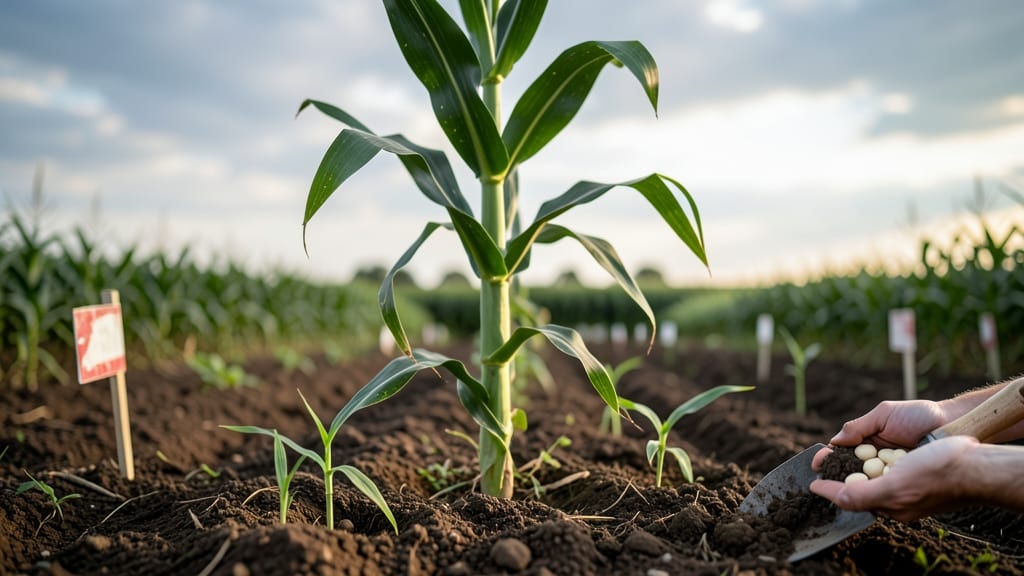
Planting corn in Nebraska at the wrong time can mean the difference between a bountiful harvest and wasted seeds—especially when you're dealing with USDA Zones 5a-6b and Nebraska's unpredictable spring weather. The key to success isn't just picking a date from a calendar; it's understanding when your soil is ready, how frost patterns shift across the state, and which corn varieties will thrive in your specific microclimate.
Most Nebraska gardeners know the general rule: aim for mid-April to early June, but that window can feel like a moving target. Too early, and your seeds rot in cold soil; too late, and your corn won't mature before the first frost.
I've seen firsthand how a 5-day delay can turn a promising crop into a disappointment, so let me show you exactly how to time it right for your corner of the state.
We'll break down the science behind Nebraska's frost-free timeline, including soil temperature thresholds and regional variations. Whether you're planting in the eastern plains where springs arrive earlier or the western hills where late frosts linger, you'll learn how to adjust your schedule for maximum success.
Plus, I'll share my top strategies for handling Nebraska's unpredictable weather, so you can protect your investment no matter what Mother Nature throws your way.
By the end, you'll have a clear, actionable plan tailored to your USDA zone—no guesswork, just confident planting. Let's get your corn off to the best possible start this spring.
Nebraska corn planting dates by USDA Zone 5-6: exact timelines
Planting corn in Nebraska requires precision—getting the timing wrong can mean the difference between a bountiful harvest and wasted seeds. With USDA Zones 5a-6b, Nebraska’s last frost dates vary dramatically from east to west.
In Zone 5a (western Nebraska), you’ll need to wait until mid-May for safety, while Zone 6b (eastern Nebraska) can start as early as late April.
The golden rule? Plant corn when soil temperatures hit 50°F+ and stay there for at least a week. Corn seeds won’t germinate below 50°F, and 60°F+ is ideal for fast, even sprouting. Use a soil thermometer to check—it’s your best tool for Nebraska’s unpredictable springs.
🌽
| USDA Zone | Last Frost Date | Optimal Planting Window | Soil Temp Threshold | Notes |
|---|---|---|---|---|
| Zone 5a (Western NE) | Mid-May | Late May to early June | 60°F+ | Drier climate; prioritize irrigation |
| Zone 5b (Central NE) | Early May | Mid-April to late May | 55°F+ | Moderate frost risk; use row covers |
| Zone 6a (Eastern NE) | Late April | Late April to early May | 50°F+ | Wetter climate; watch for fungal diseases |
| Zone 6b (Southeast NE) | Early April | Mid-April to late April | 50°F+ | Longest growing season; double-crop options |
For Zone 5a gardeners, I recommend waiting until May 15th to plant—this gives you a 165-day growing season before the first frost. In Zone 6b, you can push it to April 15th for early varieties.
Always check your local Almanac’s frost predictions—they’re updated annually and account for Nebraska’s microclimates.
Direct sowing is the preferred method for corn in Nebraska. Avoid starting seeds indoors—they transplant poorly and can shock easily. Instead, plant seeds 1-1.5 inches deep in rows spaced 30-36 inches apart. This spacing gives corn’s broad leaves room to photosynthesize efficiently under Nebraska’s intense summer sun.
If you’re in a high-altitude area (like western Nebraska), add 1-2 weeks to your planting timeline. Cooler nights at elevation delay soil warming. For these regions, consider black plastic mulch to raise soil temps 5-10°F faster—it’s a game-changer for short-season corn.
💡
Pro tip: Plant in blocks, not rows. Corn is wind-pollinated, and a 4x4 foot square ensures better fertilization between plants. This is especially critical in Nebraska’s windy conditions, where pollen drift can be an issue.
For late plantings (after May 20th), choose 85-day varieties like ‘Early Sunglow’ or ‘Golden Bantam’. These short-season stalwarts can still mature before Nebraska’s first frost in October. Just be prepared for smaller ears—late corn prioritizes survival over size.
🌡️
Always monitor 7-day forecasts before planting. A late frost warning after you’ve sown seeds can devastate your crop. If frost is predicted within 10 days of planting, delay by 2-3 weeks or use frost cloth for the first 2 weeks.
Remember: Nebraska’s drought risks mean corn needs consistent moisture after germination. Plan your planting around rainfall predictions—April showers are ideal, but June droughts can stall growth. Irrigation systems (like drip tape) are a must-have for reliable yields.
Finally, keep a planting
How to adjust corn planting for Nebraska’s unpredictable weather
Nebraska’s weather can be as unpredictable as a whirlwind, and your corn crop won’t tolerate delays. If you’ve ever watched your seeds rot in cold soil or seen frost nip tender sprouts, you know the stakes.
The key is flexibility—adjusting your planting timeline based on soil temperature, frost forecasts, and regional microclimates. For example, eastern Nebraska’s humid climate may call for earlier planting, while western areas benefit from waiting until the soil warms fully.
A soil thermometer is your best friend here. Corn seeds need consistent soil temperatures above 50°F (10°C) to germinate, but 60°F (15°C) is ideal. If your spring drags on, consider black plastic mulch to warm the soil faster—this can shave off 1-2 weeks of waiting.
For gardeners in Zone 5a, this might mean planting as late as mid-May without risking frost damage.
Timing isn’t just about the calendar—it’s about reading the weather. Check the National Weather Service’s frost predictions and local agricultural extensions for updates.
If an early frost is forecasted after your planting window, opt for short-season varieties (like ‘Early Sunglow’) or use row covers to extend the growing season. In my garden, I’ve saved entire rows by covering seedlings with floating row covers when overnight temps dip below 55°F (13°C).
- Plant deeper (1.5–2 inches) in cooler soil to protect seeds.
- Choose faster-maturing varieties (85–95 days to harvest).
- Start a backup batch in late May if early planting fails.
Drought is another Nebraska wildcard. If rainfall is scarce, water deeply before planting to encourage strong root growth. Once seedlings emerge, maintain 1–2 inches of water per week, delivered in the morning to prevent fungal diseases.
My neighbor in Lincoln once lost a row of corn because he watered at night—fungus took over within days. Pro tip: Drip irrigation is your ally here, delivering moisture directly to roots without wasting water.
For gardeners in western Nebraska, where drought is more common, consider drought-tolerant varieties like ‘Pioneer Brand 33B48’. These hybrids handle moisture stress better than standard sweet corn. Pair them with mulch (straw or grass clippings) to retain soil moisture and regulate temperature.
If you’re in a sandy soil area, amend with compost to improve water retention—this can mean the difference between a bountiful harvest and a disappointing yield.
Finally, have a backup plan. If your primary planting window closes due to weather, late May or early June can still work for short-season varieties. Just be prepared to harvest earlier before the first frost hits in mid-October.
I’ve successfully grown corn in early June using fast-maturing hybrids, and the taste was just as sweet as my spring-planted ears.
Key Takeaway: Nebraska’s weather demands adaptability. Use soil thermometers, adjust planting depths, and choose the right varieties to beat the odds. With these strategies, you’ll turn unpredictability into a harvest-worthy advantage 🌽.