
Plants
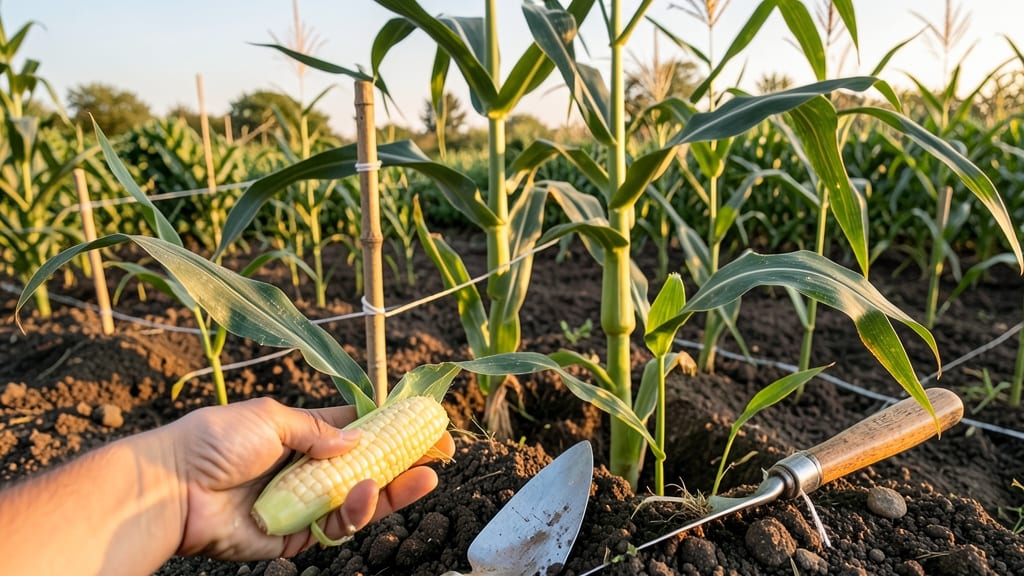
Timing your 🌽 corn planting in Vermont is the difference between a bumper crop and a sad, stunted garden. With Vermont’s Zone 5a-6b climate, late frosts can still creep in as late as mid-May, making the window for planting sweet, field, or popcorn varieties tighter than you’d think.
You’ve probably heard the rule about waiting until the soil hits 50°F for two weeks—but what does that really mean for your garden? I’ll break down the exact frost-free timeline you need to know, so you can plant with confidence and avoid the heartbreak of watching your seedlings freeze overnight.
Beyond just dates, we’ll cover how to adjust for Vermont’s microclimates (Burlington vs. Bennington) and which early-maturing varieties thrive in our short 150-day growing season. No more guessing—just science-backed steps to get your corn off to the right start.
Ready to turn your garden into a cornucopia? Let’s dive into the critical planting window that’ll have your ears plumping up by late August—no frost damage in sight.
Vermont Zone 5 corn planting calendar: exact dates by last frost risk
Timing your corn planting in Vermont’s Zone 5 hinges on two critical factors: soil temperature and frost risk. Unlike warmer climates, Vermont’s short growing season demands precision—plant too early, and frost will kill tender seedlings; too late, and your harvest shrinks.
The ideal window opens when daytime temperatures consistently hit 50°F for at least 2 weeks, typically aligning with late April to mid-May.
Historical data shows Vermont’s average last frost date ranges from April 20 in southern regions (like Bennington) to May 10 in northern areas (like Burlington). To avoid frost damage, wait until 2 weeks after your local last frost date before planting.
For example, if your area’s last frost is May 1, aim for planting around May 15.
Corn seeds need warm soil to germinate—cold, damp soil can rot them before sprouting. Use a soil thermometer to confirm temperatures are 50°F or warmer at a 2-inch depth.
If your soil is still chilly, consider black plastic mulch to warm it faster or opt for early-maturing varieties like ‘Early Sunglow’ (60 days to harvest).
Here’s your Vermont corn planting timeline broken down by frost risk zones and soil readiness:
| Zone & Location | Avg. Last Frost | Ideal Planting Window | Soil Temp Threshold | Notes |
|---|---|---|---|---|
| Southern VT (Bennington, Brattleboro) | April 20–April 30 | May 1–May 10 | 50°F+ for 2+ weeks | Longer season; try late varieties like ‘Silver Queen’ |
| Central VT (Montpelier, Barre) | May 1–May 10 | May 15–May 25 | 50°F+ for 2+ weeks | Moderate risk; use row covers if late frost threatens |
| Northern VT (Burlington, St. Johnsbury) | May 10–May 20 | May 25–June 5 | 55°F+ for 2+ weeks | Shortest season; stick to 70–80 day varieties |
For sweet corn, aim to plant when you have 120–150 frost-free days left. If your season is shorter (e.g., northern VT), choose early-maturing varieties like ‘Bodacious’ (75 days) or ‘Peaches and Cream’ (80 days). Field corn and popcorn can handle slightly longer seasons but still benefit from early starts.
Pro tip: Plant in successive batches every 2 weeks to stagger your harvest. This ensures you’re not overwhelmed with ears all at once and maximizes your garden’s productivity.
For example, if your window is May 15–May 25, plant one row on May 15, another on May 22, and a final batch on May 29 (if soil is warm enough).
Monitor your local Vermont Weather Underground station or use the Old Farmer’s Almanac for real-time frost forecasts. If a late frost is predicted after planting, cover seedlings with frost blankets or row covers to protect them until temperatures rise.
Even a few hours of frost can set back young plants by 1–2 weeks, delaying your harvest.
Once your corn is in the ground, maintain consistent moisture—corn needs 1–2 inches of water per week, especially during tasseling and ear development. Mulch around the base with straw or grass clippings to retain moisture and suppress weeds.
Avoid overwatering, which can lead to fungal diseases like corn smut or gray leaf spot.
By following this Zone 5 planting calendar and adjusting for your microclimate, you’ll set your corn up for success—whether you’re growing sweet corn for summer meals, field corn for livestock, or popcorn for fall treats. Happy planting! 🌽
How to adjust corn planting dates for Vermont’s microclimates and varieties
Vermont’s diverse geography means northern regions like Burlington experience frost risks weeks after southern areas like Bennington. Adjust your planting window by 10-14 days later for the Champlain Valley and 5-7 days earlier for the Connecticut River Valley.
These shifts help align with local last frost averages and extend your harvest window.
For northern Vermont, aim for May 1-10 planting dates, while southern Vermont gardeners can start as early as April 25-May 1. Use row covers if planting in late April to protect seedlings from unexpected late frosts that can delay growth by 2-3 weeks.
🌽 Variety selection is equally critical. Early-maturing 80-90 day varieties like 'Early Sunglow' or 'Silver Queen' thrive in Vermont’s short season, while 100+ day varieties like 'Peaches and Cream' need warmer microclimates or row covers.
Plant two varieties staggered by 10-14 days to spread your harvest from late August to October.
🌿 Soil temperature matters more than calendar dates. Use a soil thermometer to confirm 50°F+ for 2+ weeks before planting—this ensures consistent germination. Cold soil (45°F or below) can delay sprouting by up to 10 days and invite fungal diseases like seed rot.
🌱 3 Key Adjustments for Vermont Corn Success
- Northern vs. Southern: Plant 10-14 days later in Burlington than in Bennington.
- Variety Matters: Choose 80-90 day varieties for shorter seasons; 100+ day only in warm microclimates.
- Soil > Calendar: Wait for 50°F+ soil—not just frost-free dates—to avoid slow germination.
🌡️ Microclimates like urban heat islands (e.g., Burlington’s downtown) or sheltered valleys (e.g., near the Green Mountains) can create 5-7°F warmer conditions. Test your spot with a minimum-maximum thermometer for 2 weeks to identify these pockets.
Plant heat-loving varieties like 'Bodacious' in these areas to extend your harvest by 1-2 weeks.
If you’re succession planting, sow every 2 weeks through early June for a continuous harvest. Use shorter varieties (e.g., 'Ambrosia') in late plantings to avoid blight risks from Vermont’s humid summers. Always space rows 3 feet apart to improve airflow and reduce corn smut or leaf blight.