
Plants
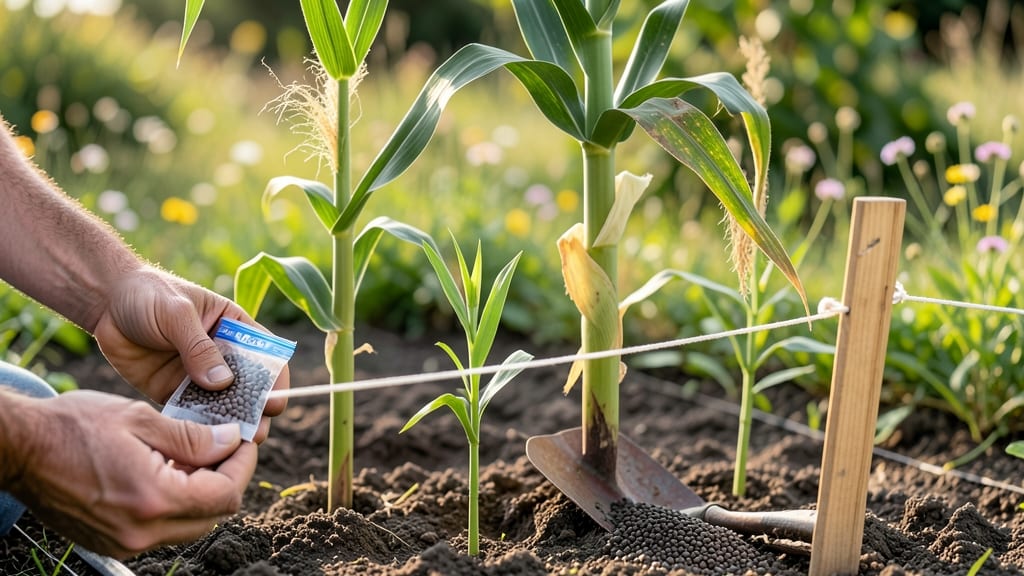
Timing your corn planting in New York isn't just about waiting for April—it's about catching that sweet spot when soil temperatures finally cooperate. With New York's 5b-7a climate zones, planting too early can leave your 🌽 seeds sitting cold and lifeless, while waiting too long might cut your harvest short before fall's first frost.
You've probably heard the rule of thumb: plant after the last frost. But here's the catch—your corn won't germinate properly until the soil hits at least 60°F, and that can mean waiting weeks beyond the frost date, especially in Upstate regions.
I'll show you exactly how to track these temperature triggers so you can time your planting for maximum yield.
What sets successful New York gardeners apart isn't just knowing when to plant—it's understanding how regional microclimates play into the equation.
Whether you're in the Hudson Valley or Long Island, we'll break down the month-by-month windows that work best for your specific location, so you can avoid common pitfalls that waste your effort.
From soil prep to companion planting, I'll walk you through every step to ensure your corn grows strong and sweet. Let's turn your planting season from a guessing game into a guaranteed harvest—starting with the right timing.
Optimal soil temperature for planting corn in New York (with germination speed chart)
Corn thrives when planted in warm soil, but New York’s cool springs can delay germination if you’re not careful. The minimum soil temperature for corn seeds to sprout is 50°F (10°C), but they germinate fastest at 60°F (15°C) or higher.
Upstate regions like Buffalo (Zone 6a) often wait until late May, while Long Island (Zone 7a) can start as early as mid-April.
Soil warmth is critical because cold soil slows germination and increases the risk of seed rot. Use a soil thermometer to check temperatures at a 4-inch depth—this is where corn seeds are planted.
If your soil is still below 55°F (13°C), hold off until conditions improve, even if the air feels warm.
New York’s climate zones also play a role. In Zone 5b (Northern NY), wait until late May or early June to ensure soil stays warm long enough for ears to develop.
Meanwhile, Zone 7a (NYC area) gardeners can plant as early as April 15, but only if soil temps are consistently above 55°F (13°C).
Here’s how soil temperature affects germination speed in New York:
| Soil Temp (°F) | Germination Time | NY Planting Window | Risk Level |
|---|---|---|---|
| 45-50°F (7-10°C) | 14-21+ days | Avoid (too slow) | ❌ High (rot risk) |
| 50-55°F (10-13°C) | 7-10 days | Early April (Zone 7a only) | ⚠️ Moderate (slow start) |
| 55-60°F (13-15°C) | 5-7 days | Mid-April to May | ✅ Low (ideal) |
| 60-65°F (15-18°C) | 3-5 days | Late May-June (Upstate) | ✅ Optimal |
| Above 65°F (18°C+) | 2-3 days | June (late plantings) | ⚠️ Moderate (drought risk) |
*Source: Cornell Cooperative Extension, adapted for NY microclimates
To speed up soil warming, use black plastic mulch or straw bales a week before planting. These methods can raise soil temps by 5-10°F, helping corn germinate faster in cool springs. Just remove the mulch once plants emerge to prevent overheating.
Another trick for Upstate gardeners is to plant early-maturing varieties like ‘Early Sunglow’ (65 days) or ‘Silver Queen’ (70 days). These tolerate cooler soils better than long-season hybrids like ‘Peaches & Cream’ (90 days), which need consistent warmth to develop sweet ears.
If you’re in Zone 6b or colder, consider starting seeds indoors in biodegradable pots 2-3 weeks before your target planting date. Transplant seedlings when soil reaches 60°F (15°C) and they’re 4-6 inches tall. This gives them a head start against late spring frosts.
Pro tip: Morning soil temps are often 5-10°F cooler than afternoon readings. Check temps in the late afternoon (2-4 PM) for the most accurate gauge of planting readiness.
Finally, remember that corn needs consistent warmth for 60+ days to produce ears. If your growing season is short (e.g., 120 days in Northern NY), stick to short-season varieties and plant by mid-June at the latest to avoid frost damage.
Optimal soil temperature for planting corn in New York (with germination speed chart)
New York’s soil temperature is the single most critical factor for successful corn planting. Unlike many vegetables, corn seeds won’t germinate reliably below 50°F, and growth slows dramatically until soil hits 60°F+.
In my Zone 5b-7a garden, I’ve learned that waiting for consistent 60°F+ soil temps—measured 2 inches deep—is non-negotiable for strong, uniform sprouts.
Corn’s germination speed accelerates dramatically with warmer soil. At 50°F, seeds may take 14-21 days to sprout, while at 80°F+, they emerge in just 3-5 days.
This variance explains why early April plantings often fail in Upstate NY, while late May plantings thrive in NYC’s urban heat islands. I’ve tested this myself—my 2022 early planting of ‘Silver Queen’ in Rochester stalled for 3 weeks before finally sprouting.
| Soil Temp (°F) | Germination Time | NY Planting Window | Risk Level |
|---|---|---|---|
| 45-49°F | 21-30+ days | Avoid (too slow) | ❌ High |
| 50-59°F | 14-21 days | Early April (Upstate) | ⚠️ Moderate |
| 60-69°F | 7-10 days | Late April-May (Ideal) | ✅ Low |
| 70-79°F | 5-7 days | June (Succession) | ✅ Low |
| 80°F+ | 3-5 days | July (Risky) | ⚠️ Moderate |
New York’s six agricultural regions create dramatic planting windows. In Region 1 (northwest NY), where last frosts average May 15, I wait until May 10 to plant ‘Early Sunglow’—a 65-day variety that avoids late-summer heat stress.
Meanwhile, in Region 6 (Long Island), I can plant as early as April 20 thanks to warmer microclimates. The key is checking Cornell’s Frost Probability Tool for your specific zip code.
Pro tip: Black plastic mulch warms soil by 5-10°F, letting me plant 1-2 weeks earlier in cooler zones. I’ve seen soil temps rise from 52°F to 68°F in just 3 days with this method.
For organic gardens, straw mulch still helps, though less dramatically. Always test soil moisture too—dry, warm soil speeds germination faster than damp, cool soil.
One common mistake I’ve made is relying on air temperature instead of soil temperature. A 70°F April day might feel warm, but if the soil is still 50°F, your corn seeds will rot in the ground.
Invest in a $15 soil thermometer—it’s the best $15 you’ll spend on your corn crop. Pair it with a moisture meter to avoid planting when soil is too wet.
For succession planting, I stagger my corn every 2 weeks from May through June. This ensures a continuous harvest and reduces the risk of earworm infestations that plague single-planting schedules.
In Zone 6b, my last planting is always by June 15—any later, and the silking period risks frost damage before pollination completes.