
Plants
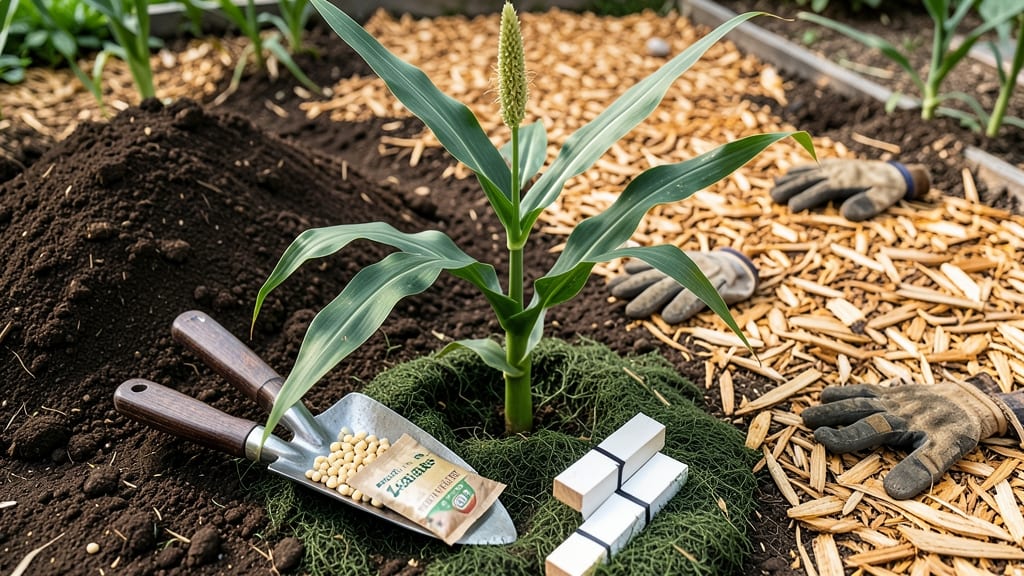
Timing your 🌽 corn planting in North Alabama can mean the difference between a bumper crop and a disappointing harvest. With the region's unpredictable spring weather—where late frosts can still linger into April—getting those seeds in the ground at the right moment is absolutely critical.
Most gardeners in zones 7a-7b know the general rule: wait until after the last frost date, typically around mid-April, but that's just the starting point. What you might not realize is how soil temperature and county-specific microclimates can shift your ideal planting window by 2-3 weeks—either way.
In this guide, I’ll break down exactly when to plant corn in North Alabama, from Madison County’s cooler highlands to the warmer valleys of Marshall County.
You’ll learn how to read your local frost data, adjust for early or late varieties, and even use companion planting to give your corn a fighting chance against the region’s quirks.
Whether you're a first-time gardener or a seasoned pro, these insights will help you avoid the most common mistakes—like planting too early and risking frost damage—and set your corn up for success from day one.
North Alabama corn planting dates by county: frost-free zones explained
North Alabama’s corn planting window hinges on last frost dates and soil temperatures, which vary dramatically across counties. Unlike southern regions, where frost is rare, North Alabama’s USDA Zones 7a-7b experience unpredictable late frosts—sometimes as late as mid-April.
Planting too early risks frost damage, while delaying too long may shorten the growing season, especially for late-maturing varieties.
To simplify, I’ve broken down optimal planting windows by county, accounting for historical frost data and soil warming trends. Whether you’re in Madison County’s urban gardens or Marshall County’s rural farms, these timelines ensure your corn reaches harvest maturity before the first frost in November.
🌱 Key Rule: Wait until soil temperatures hit 60°F (use a soil thermometer!) and plant 2 weeks after your county’s average last frost date. This balances risk and reward for 60- to 90-day varieties.
🌽 North Alabama Corn Planting Summary Table
| County | Avg. Last Frost | Optimal Planting Window | Soil Temp. Threshold | Recommended Varieties |
|---|---|---|---|---|
| Madison (Huntsville) | April 5 | April 20–May 5 | 60°F+ | Silver Queen (65 days), Peaches & Cream (85 days) |
| Jackson (Scottsboro) | April 10 | April 25–May 10 | 60°F+ | Ambrosia (70 days), Country Gentleman (90 days) |
| Marshall (Guntersville) | April 3 | April 18–May 3 | 60°F+ | Bodacious (75 days), Golden Bantam (60 days) |
| DeKalb (Fort Payne) | April 8 | April 22–May 7 | 60°F+ | Temptation (80 days), Honey & Pearl (85 days) |
| Limestone (Athens) | April 6 | April 20–May 5 | 60°F+ | Pioneer Brand (75 days), Golden Cross Bantam (65 days) |
💡 Pro Tip: For urban gardens (e.g., Huntsville), use row covers to extend the season by 2-3 weeks. Monitor local forecasts via Alabama A&M Extension for real-time adjustments.
For high-altitude areas like DeKalb County, where nights stay chilly longer, opt for early-maturing varieties (e.g., Golden Bantam) to avoid early fall frosts. Meanwhile, Madison County’s warmer microclimates can support longer-season varieties like Peaches & Cream if planted by early May.
If you’re succession planting for a continuous harvest, stagger seeds every 2 weeks until mid-June. This ensures fresh ears from late July through early October, just before the first frost. For container gardening, choose
How to adjust corn planting for North Alabama’s microclimates and soil conditions
North Alabama’s varied microclimates—from Huntsville’s cooler high-altitude zones to Decatur’s warmer valleys—mean your corn’s success depends on local adjustments. Urban gardens in Madison County may face heat islands, while clay-heavy soils in Marshall County need extra prep.
Let’s break down how to adapt your planting strategy for your specific conditions.
First, check your local elevation. Areas above 1,000 feet (like Huntsville) often have 1-2 weeks later frost-free dates than lower valleys. Use a soil thermometer—corn won’t germinate well below 60°F, and cooler soils delay growth.
If your soil warms slowly, consider black plastic mulch to speed up heating.
- 📍 Urban Gardens: Use reflective mulch to reduce heat stress; plant in late April to avoid early heat waves.
- 🏔️ High-Altitude Areas: Wait until May 1-15 for safer germination; choose short-season varieties (e.g., 'Silver Queen').
- 🌡️ Clay Soils: Amend with compost or sand to improve drainage; plant in raised beds if drainage is poor.
- ☀️ Heat Islands (Cities): Provide afternoon shade for young plants; water deeply in mornings to prevent stress.
- 🌧️ Wet Springs: Use drip irrigation to avoid waterlogged soil; plant on mounds for better drainage.
Monitor local weather patterns like the Alabama Weather Network for real-time updates. If a late frost warning appears in April, delay planting or use row covers for 2-3 weeks. For high-altitude areas, cold frames can extend your season by 3-4 weeks—ideal for planting early May in cooler zones.
Soil type matters too. Loamy soils (common in Jackson County) drain well and warm faster, while clay soils (like in DeKalb County) stay cold longer. Test your soil’s pH (6.0-7.0 ideal) and add lime if needed.
For heavy clay, mix in organic matter like leaf mold or well-rotted manure 4-6 weeks before planting.
Pro tip: Plant companion crops like beans or squash to improve soil health. Beans fix nitrogen, while squash shades the soil, keeping it moist. Space corn 12-18 inches apart in rows 30-36 inches apart for airflow, reducing fungal risks in humid North Alabama summers.
Finally, keep an eye on pollen shed timing. If your area has unpredictable winds (common in late spring), plant multiple varieties with staggered maturity dates to ensure pollination. For example, mix 'Peaches and Cream' (75 days) with 'Silver Queen' (80 days) to cover your bases.