
Plants
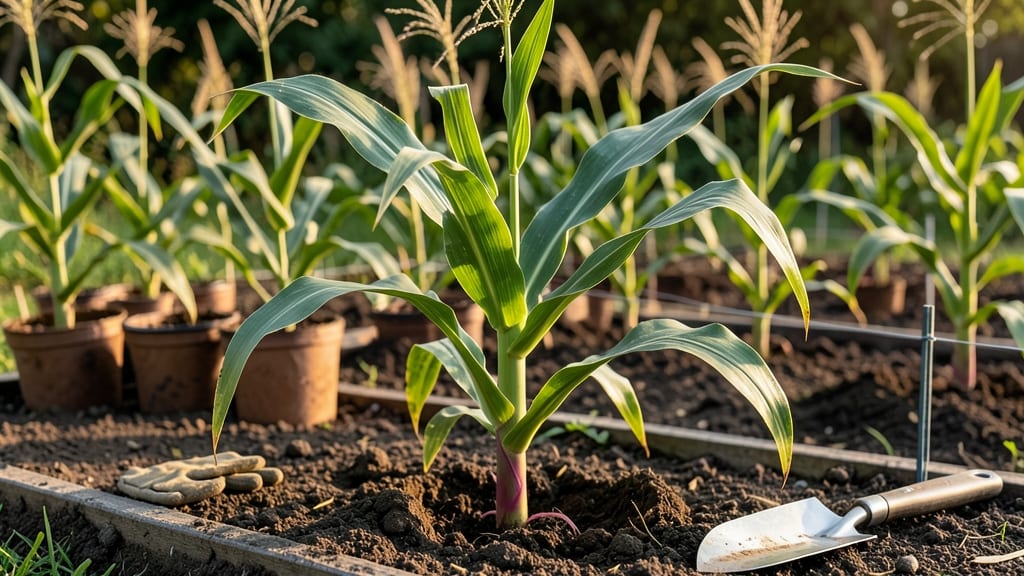
Planting corn in Northeast Ohio at the wrong time can mean the difference between a bountiful harvest and a disappointing flop—especially when unpredictable spring frosts lurk around every corner. If you’ve ever watched your tender seedlings wilt overnight or struggled with stunted ears, you know timing is everything for 🌽 success in zone 6a.
Here’s the hard truth: Even experienced gardeners in Northeast Ohio get it wrong sometimes. The key isn’t just waiting for mid-April—it’s tracking soil temperatures, understanding microclimates, and knowing when to adjust for early or late varieties.
With the right approach, you can sidestep common mistakes and enjoy fresh corn straight from your garden by late July.
I’ll walk you through the exact deadlines for USDA Zone 6a, how to prep your soil for peak growth, and what to watch for when the weather plays tricks.
Whether you’re a first-time planter or a seasoned pro, these tips will help you avoid frost damage and maximize your yield—no guesswork required.
Ready to turn your corn patch into a productive powerhouse? Let’s dive into the zone-specific strategies that actually work for Northeast Ohio’s climate. Your future dinner table will thank you.
Northeast Ohio corn planting deadlines by USDA Zone (5b vs 6a)
Northeast Ohio spans USDA Zones 5b and 6a, where corn thrives—but only if planted at the right time. The difference between these zones is critical: Zone 5b (cooler) has a shorter growing season, while Zone 6a (warmer) offers a slightly longer window.
I’ll break down the exact deadlines you need to follow for both zones to avoid frost damage and maximize your harvest.
For both zones, corn seeds need soil temperatures of at least 50°F to germinate. In Zone 5b, this typically happens around mid-April, while Zone 6a can start as early as late March to early April.
However, planting too early risks frost damage—so always wait until 2 weeks after the last frost date, which averages April 15 for most of Northeast Ohio.
Here’s where the comparison table comes in—it’ll show you the exact planting windows, soil temperature thresholds, and last-safe-planting deadlines for both zones. This ensures you’re planting corn at the optimal time for your specific microclimate.
| Zone | First Planting Window | Soil Temp Threshold | Last Safe Planting Deadline | Frost Risk |
|---|---|---|---|---|
| Zone 5b (Cooler) | Mid-April to early May | 50°F+ (consistent) | Early June (avoid after June 10) | High risk after June 15 |
| Zone 6a (Warmer) | Late March to mid-April | 50°F+ (consistent) | Mid-June (avoid after June 20) | Moderate risk after June 25 |
*Deadlines based on 30-year averages from NOAA and Ohio State University Extension.
If you’re in Zone 5b, stick to early May for planting—this gives your corn enough time to mature before the first frost, which typically hits around October 15.
For Zone 6a, you have a bit more flexibility, but don’t push it past mid-June, or your ears may not develop fully before frost.
Sweet corn varieties like 'Silver Queen' or 'Peaches and Cream' are popular in Northeast Ohio because they mature in 70-80 days. Field corn, such as 'Pioneer 33B48', takes longer (90-110 days) and should be planted earlier in the window to ensure maturity.
Always check the days to maturity on your seed packet and count backward from your first frost date to determine your ideal planting window.
One common mistake I see is planting corn too early in hopes of an earlier harvest. But cold soil and late frosts can stunt growth or kill seedlings entirely. To avoid this, use a soil thermometer to confirm temperatures are consistently above 50°F before planting.
If you’re unsure, err on the side of waiting—your corn will thank you with stronger stalks and bigger ears.
For those in Zone 5b, consider using early-maturing hybrids (60-70 days to harvest) to extend your planting window. These varieties can sometimes be planted as late as late May and still produce a decent yield. Just be prepared for smaller ears if you push the deadline too far.
Pro tip: If you’re planting in containers or raised beds, warm up the soil faster by covering it with black plastic mulch a week before planting. This can shave off critical days and give you a head start in cooler zones like 5b.
Finally, keep an eye on the Ohio State University Extension’s frost forecasts—they update planting guidelines annually based on local weather patterns. Their Corn Planting Guide is a goldmine for Northeast Ohio gardeners and can help you fine-tune your schedule based on real-time data.
How to adjust planting dates for Northeast Ohio’s microclimates
Northeast Ohio’s varied landscapes—from Lake Erie’s shoreline to rolling hills inland—create microclimates that can shift planting deadlines by 1-2 weeks.
For example, areas near Lake Erie (like Cleveland or Ashtabula) often experience warmer springs due to lake-effect moderation, while inland zones (e.g., Akron or Canton) may face cooler soil temperatures longer. Adjust your schedule based on these local factors to avoid frost damage or stunted growth.
Start by checking your elevation: Higher elevations (like Geauga County) can have 5-7°F cooler soils than valley areas, delaying planting by 7-10 days. Use the NOAA’s Local Climate Data tool to compare your area’s last frost dates with the USDA Zone 6a average (typically April 15).
If your location’s frost date is May 1, push back planting to late May for sweet corn varieties.
Urban gardens in cities like Columbus or Youngstown may experience heat islands, where pavement and buildings trap warmth. This can advance soil warming by 3-5 days, letting you plant earlier than rural areas.
However, monitor soil temperatures with a soil thermometer—corn seeds need 50°F+ soil to germinate, and urban soils can overheat quickly, risking drought stress.
- Lake Erie Shoreline: Plant 7-10 days earlier (warmer soils). Example: Mid-April for Zone 6a areas.
- Inland Hills (e.g., Cuyahoga Valley): Delay by 7-10 days (cooler soils). Example: Late April for Zone 5b.
- Urban Heat Islands: Plant 3-5 days early but water deeply to prevent drought stress.
- High Elevations (>1,000 ft): Wait until soil hits 55°F+ (may be late May in some areas).
- NOAA Forecast Tip: Use 7-day soil temp predictions to time planting for consistent 50°F+.
For sweet corn varieties, which are more sensitive to temperature swings, consider succession planting in mid-May and early June to stagger harvests. Shorter-season varieties (like ‘Early Sunglow’, maturing in 68 days) are ideal for late-May plantings in cooler microclimates.
Meanwhile, field corn (used for grain) can tolerate later plantings (up to June 15) but may yield 10-20% less if sown after June 1.
Watch for local weather patterns too: Areas near Lake Erie often see late-spring frosts in May, while inland zones may experience unexpected heat waves in April. Use Ohio State University Extension’s Frost Probability Tool to input your zip code and get a 10-day frost risk forecast.
If the tool shows a 30%+ chance of frost after your planned planting date, delay by 1-2 weeks.
Finally, test your soil 1-2 weeks before planting to check moisture levels—dry microclimates (like southeastern Ohio) may need irrigation scheduling to avoid seed desiccation. Amend sandy soils with compost to retain moisture, and mulch with straw to keep roots consistently cool during heatwaves.
With these adjustments, you’ll beat the clock and grow healthier stalks regardless of your Ohio microclimate.