
Plants
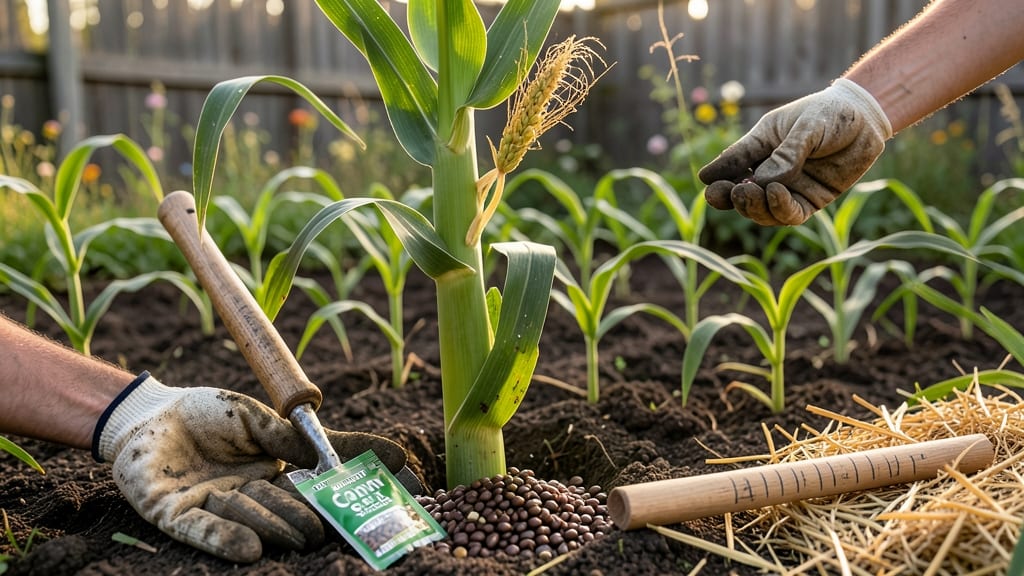
Timing your 🌽 corn planting in Upstate New York can make or break your harvest—get it wrong, and you might end up with sad, stunted ears instead of sweet, juicy corn on the cob.
The 5b-6a climate here means you’ve got a narrow window between last frost (usually mid-May) and the heat of summer, where every day counts.
I’ve learned the hard way that rushing to plant too early—when soil temps are still chilly—can leave your corn vulnerable to frost damage, while waiting too long might cut your growing season short.
The key is planting when the soil hits 60°F and there’s no more frost in the forecast, typically between mid-April and early June.
But here’s the thing: Upstate NY’s microclimates mean your neighbor’s perfect planting time might not work for you. Whether you’re in Albany, Syracuse, or near the Finger Lakes, local conditions like elevation and soil type can shift your ideal dates by weeks.
Let’s break down exactly when—and how—to plant for your specific corner of the region.
You’ll also discover pro tips for extending your season, choosing the right varieties, and even using companion plants to protect your corn from pests. By the end, you’ll know exactly when to pop those seeds in the ground for a bumper crop of golden ears ready by late summer.
Upstate NY corn planting dates by Zone 5-6: exact frost-free timeline
Timing your corn planting in Upstate NY depends on last frost dates and soil temperatures. Most areas fall under USDA Zones 5b-6a, where the average last frost occurs between mid-April and mid-May. However, unpredictable springs mean you should always plan for backup dates.
For Zone 5b (e.g., Albany), aim to plant corn after May 1, while Zone 6a (e.g., Syracuse) can start as early as late April. Buffalo’s slightly later frost dates push planting to early May to avoid frost damage to tender seedlings.
Corn seeds need soil temperatures of at least 60°F to germinate. Use a soil thermometer to confirm—cold soil delays sprouting and invites rot. In cooler years, wait until mid-May even in Zone 6a.
🌽 Upstate NY Corn Planting Timeline
| Region | Last Frost Date | Ideal Planting Window | Backup Date |
|---|---|---|---|
| Albany (Zone 5b) | May 10 | May 15–June 1 | June 10 |
| Syracuse (Zone 6a) | April 25 | April 30–May 15 | May 20 |
| Buffalo (Zone 6a) | May 5 | May 10–May 25 | June 1 |
Note: Adjust for elevation (+1 day per 300 ft) and microclimates (e.g., south-facing slopes warm faster).
If you’re eager to start earlier, indoor sowing in March works for transplanting after frost. Use grow lights to keep seedlings strong until they’re 6 inches tall. Harden them off for 1 week before moving outdoors.
For late varieties, plant a second crop in early June if your season extends into October. Choose short-season varieties (e.g., ‘Early Sunglow’) to ensure harvest before first frost.
Always check the National Weather Service for 10-day forecasts before planting. Upstate NY’s unpredictable weather can shift frost dates by 2 weeks—don’t assume historical averages.
Pro tip: Plant beans or radishes as frost indicators. When they sprout reliably, your corn seeds are ready to go in the ground.
Remember, soil prep is just as critical as timing. Amend your soil with compost and a balanced fertilizer (10-10-10) 2 weeks before planting to give roots a nutrient boost.
With the right timing and soil conditions, you’ll enjoy sweet, homegrown corn from late July to early October—just in time for summer barbecues!
How to adjust corn planting for Upstate NY’s microclimates and soil conditions
Upstate NY’s diverse geography means microclimates can shift planting windows by 2-3 weeks. Higher elevations like the Adirondacks (Zone 5b) often see frost 10-14 days later than Buffalo’s (Zone 6a) lake-effect moderation. Always adjust your schedule based on your local elevation and proximity to water bodies.
Soil temperature is critical for germination—corn seeds won’t sprout until soil reaches 60°F. In heavy clay soils common to the Mohawk Valley, use black plastic mulch to warm soil 5-7°F faster than bare ground. Test soil with a soil thermometer before planting to avoid delays.
🌱 3 Key Adjustments for Upstate NY Growers
- Elevation: Add 1 week per 1,000 ft above sea level (e.g., Adirondacks plant 2 weeks later than Rochester).
- Soil Type: Sandy soils (e.g., Finger Lakes) dry faster—plant 1 week earlier and mulch heavily.
- Microclimates: South-facing slopes warm 3-5 days earlier than north-facing areas.
For slow-warming soils, try biodegradable seed blankets or row covers to create a warmer microclimate around seeds. These can advance germination by 7-10 days in late-spring frosts. Remove covers once true leaves appear to prevent overheating.
If your last frost date is unpredictable (like in Zone 5b), use cold-hardy varieties like ‘Early Sunglow’ and plant two staggered batches—one 2 weeks before your average last frost and another 2 weeks after. This extends your harvest window by 3-4 weeks.
Drainage issues? Raised beds solve waterlogged soils common in low-lying areas like the St. Lawrence Valley. Fill beds with a mix of compost and sand to improve drainage while retaining moisture. Plant in early May when beds warm up faster than ground soil.
Pro tip: Check Almanac’s Frost Predictor for your specific ZIP code—it accounts for local weather patterns better than generic zone maps. Pair this with a weekly soil check to fine-tune your planting date. Patience pays off—waiting for ideal conditions ensures stronger stalks and sweeter ears! 🌽