
Plants
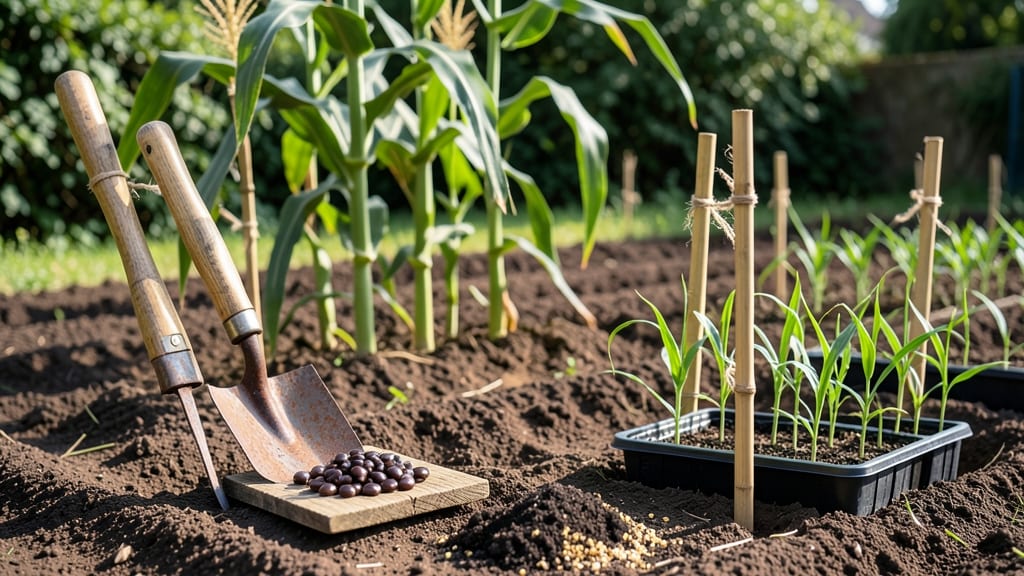
Timing your 🌽 corn planting in Western Washington can feel like a high-stakes game of chance—get it wrong, and you’re left with sad, stunted stalks or ears that never quite reach their full sweet potential.
But here’s the good news: with the right approach, you can beat the region’s unpredictable coastal climate and grow corn that’s plump, juicy, and ready to harvest by summer.
The mid-April to early May window is your golden opportunity, but it’s not just about the calendar—it’s about reading your local microclimate. Coastal areas like Bellingham might need to wait until late April, while inland spots near Yakima can plant as early as late March.
The key is waiting until the soil warms to at least 60°F and the last frost has passed, which can vary by 2-3 weeks depending on where you’re growing.
Why does timing matter so much? Corn is a high-maintenance crop that demands warmth, sunlight, and a long enough growing season to mature.
In zones 8b-9a, you’ve got roughly 165 frost-free days to work with—just enough for early-maturing varieties like ‘Ambrosia’ or ‘Silver Queen’ to go from seed to harvest. Plant too early, and you risk frost damage; too late, and your ears might never develop properly.
In this guide, I’ll walk you through the exact planting dates for your specific area, how to adjust for coastal fog and rain, and which varieties will give you the best shot at success. Let’s make sure your 🌽 corn grows tall, strong, and full of flavor—no guessing required.
Western Washington corn planting dates by last frost zone (2024 guide)
Timing your corn planting in Western Washington hinges on last frost dates and microclimate variations. The Puget Sound region typically sees its last frost between March 15 and April 15, while inland areas like Yakima Valley can be 2-3 weeks earlier.
Corn needs 165 frost-free days to mature fully, so planting too late risks frost damage before harvest.
For Seattle and Olympia, aim to plant mid-April to early May after soil warms to 60°F. In cooler coastal zones like Bellingham or the San Juan Islands, delay until late April to early May to avoid chilly soil that stunts germination.
Inland areas can start as early as late March if frost risk is low.
Use heat-unit calculators (like the Corn Grow Degree Days tool) to match your corn variety to your region. Most sweet corn varieties need 900-1,200 growing degree days (GDDs) to mature. For example, Seattle’s 165-day growing season suits 85-100 day varieties, while Warner’s longer season can handle 110-day varieties.
🌱 Key Tip: Check your local USDA Plant Hardiness Zone (typically 8b-9a in Western WA) and adjust planting dates based on elevation. Higher elevations (e.g., Mount Rainier foothills) may need 2-4 weeks later than sea-level areas.
| Region | Last Frost Date | Optimal Planting Window | Recommended Varieties | Harvest Window |
|---|---|---|---|---|
| Puget Sound (Seattle, Olympia) | April 1-15 | Mid-April to early May | 'Ambrosia', 'Peaches and Cream' (85-95 days) | Late July to early Sept |
| Coastal (Bellingham, San Juans) | April 10-25 | Late April to early May | 'Golden Bantam' (75-80 days), 'Country Gentleman' (90 days) | Early Aug to mid-Sept |
| Inland (Yakima, Wenatchee) | March 20-April 5 | Late March to early April | 'Silver Queen', 'Bodacious' (100-110 days) | Mid-July to Oct |
| Willapa Hills (Long Beach) | April 15-30 | Early May | 'Temptation' (80 days), 'Honey & Pearl' (85 days) | Late July to Aug |
Planting too early in cooler microclimates risks cold soil, which delays germination by weeks. Test soil temperature with a soil thermometer—corn seeds won’t sprout below 50°F, and growth stalls below 60°F.
In Seattle’s coastal fog zones, soil can stay 10°F cooler than inland areas, so adjust planting dates accordingly.
For extended harvests, consider succession planting every 2 weeks in late April and early May. This ensures a continuous supply of fresh corn from July through September. Choose short-season varieties (under 90 days) for coastal areas to guarantee maturity before fall frosts hit in October.
Protect young plants with row covers or black plastic mulch if late frosts threaten. These methods can raise soil temperature by 5-10°F, speeding up growth and reducing frost damage. Monitor local weather forecasts and be ready to cover plants if unexpected frosts are predicted.
🌽 Remember: Corn thrives in warm soil and full sun. In Western Washington’s cloudy
Microclimate adjustments: how coastal fog and rain affect corn planting
Western Washington’s coastal fog and inland heat create dramatic differences in corn planting success. While Seattle’s Puget Sound areas might see frost until mid-April, inland spots like Yakima Valley can plant as early as late March.
This 2-3 week gap directly impacts your corn’s maturity—plant too early in coastal zones, and you’ll risk frost damage; too late inland, and your harvest arrives before peak sweetness.
Coastal Willapa Hills and Olympia regions often experience prolonged cloud cover, delaying soil warming. Use a soil thermometer—corn needs 60°F+ soilBellingham’s foothills warm faster, but watch for late spring frosts that can still nip tender seedlings.
🌱
Coastal Planting Risks
- Fog delays soil warming by 1-2 weeks—wait for consistent 60°F+ before planting.
- Heavy rain can rot seeds; use raised beds or black plastic mulch to improve drainage.
- Late frosts (after April 15) are common near coastal bluffs—plant after May 1 for safety.
Use row covers for 2-3 weeks post-planting to accelerate warming. Inland gardeners can plant 3 weeks earlier without risk.
For coastal gardeners, extend the season with black plastic mulch—it warms soil by 5-10°F and suppresses weeds. Lay it down 2 weeks before planting and cut X-shaped holes for seeds. Inland areas benefit from straw mulch to retain moisture during dry spells that can stress corn’s shallow roots.
If you’re in a transition zone (like Everett or Tacoma)), split your planting: sow half in late April and half in early May. This staggered approach ensures at least one batch matures before first frost (typically mid-October in most zones).
Pro tip: Monitor tasseling (when pollen appears) closely—coastal corn often polls later due to cooler temps. If silks turn brown but no pollen appears, hand-pollinate by brushing tassels onto silks with a paintbrush.
🌧️