
Plants
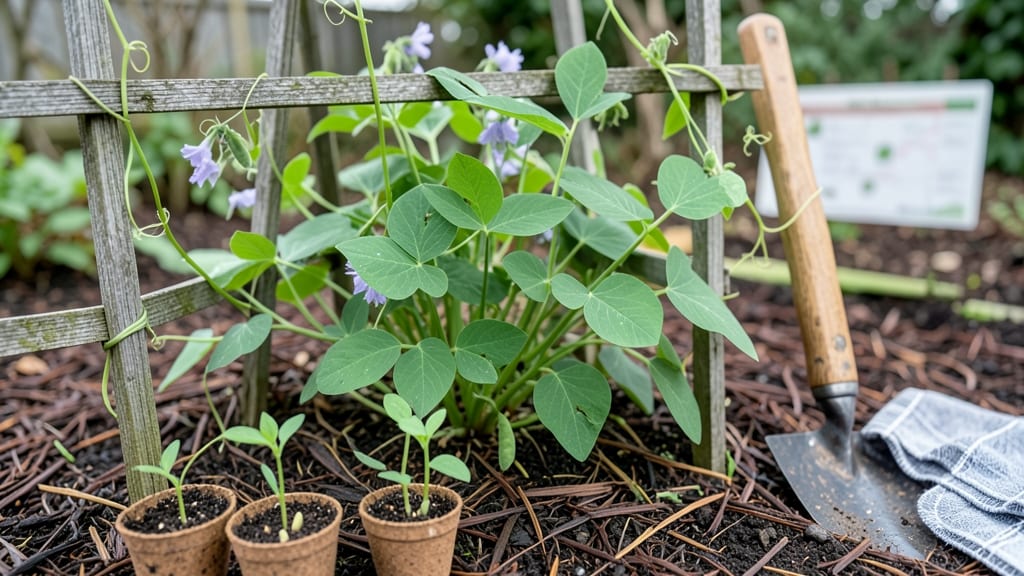
Timing your peas planting in Seattle isn’t just about following a calendar—it’s about outsmarting the city’s infamous frost quirks and microclimates that can turn your garden dreams into a soggy disappointment.
Whether you’re tucked in West Seattle’s coastal chill or basking in the Eastside’s urban heat island, getting those seeds in the ground at the right moment means the difference between a bountiful harvest and a sad, wilted disappointment.
Most gardeners in Zone 8a reach for their pea seeds in early spring, but Seattle’s late-winter surprises—like that March 15 frost date—demand a smarter approach.
I’ve grown 🌱 peas here for years, and let me tell you: planting too early risks frost damage, while waiting too long means missing the sweet spot for those crisp, fresh pods by May-June. The secret?
Start your seeds indoors in February or hit the soil by late February to early March—but be ready to adjust if your neighborhood’s microclimate runs warmer (or colder) than the average.
Here’s the game-changer: Seattle’s fall planting window (August-September) often flies under the radar, but it’s your backup plan for a second harvest when spring’s unpredictable.
I’ll walk you through exactly how to nail both seasons, plus the companion plants and soil tweaks that’ll keep your peas thriving—no matter where you live in the Emerald City.
Ready to turn your garden into a pea powerhouse? Let’s dive into the precise timing, soil secrets, and microclimate hacks that’ll have you harvesting like a pro—without guessing whether your peas will survive Seattle’s next frost.
Seattle’s pea planting zones: frost dates by neighborhood
Seattle’s microclimates can shift your pea planting success by weeks. While the average last frost date is March 15, neighborhoods like West Seattle and Ballard often see frost 2-3 weeks later than the University District.
Urban heat islands in downtown areas may push your planting window even earlier. Understanding these variations is key to avoiding frost damage on tender pea seedlings.
For spring planting, aim to sow peas 4-6 weeks before your local last frost date. This typically means mid-February to early March for most of Seattle, but late February in cooler pockets like Magnolia or Queen Anne.
Fall planting? Start 6-8 weeks before the first frost (mid-August to early September) to catch a harvest before winter sets in.
🌱
| Neighborhood | Avg. Last Frost | Ideal Planting Window | Notes |
|---|---|---|---|
| University District | March 10 | Late Feb - Early Mar | Warmer microclimate; earlier planting possible |
| Ballard/West Seattle | March 22 | Early Mar - Mid-Mar | Cooler; wait until soil warms |
| Downtown/Capitol Hill | March 15 | Mid-Feb - Early Mar | Urban heat island effect |
| Magnolia/Queen Anne | March 25 | Late Feb - Early Mar | Wind exposure; use windbreaks |
| Eastside (Bellevue/Kirkland) | March 12 | Late Feb - Early Mar | Drier; mulch for moisture |
If you’re unsure about your local frost dates, check the National Weather Service or use a frost calendar from WSU Extension. For container gardening, you can push planting 2 weeks earlier since pots warm faster.
Just ensure your containers have drainage holes to prevent root rot in Seattle’s damp climate.
Pro tip: Use row covers if planting early. They add 2-4°F protection and can extend your harvest window by weeks. Just remove them when flowers appear to encourage bee pollination—critical for pea production.
For fall planting, prioritize sugar snap peas or snow peas, which tolerate cooler temps better than shelling peas. Start seeds indoors in late July and transplant outdoors in early August for a late-October harvest before frost arrives.
🌿
Seattle’s rainy seasons also affect planting. Avoid sowing peas in November or December unless you’re using a high tunnel. The soil stays too cold for germination, and overhead watering can lead to disease pressure. Instead, focus on spring and early fall for the best results.
One final trick: If you notice late-spring frosts (common in April), protect your peas with cloche covers or frost blankets. A 5°F drop can kill young plants, but with the right precautions, you’ll have continuous harvests from May through November.
Seattle’s pea planting zones: frost dates by neighborhood
Seattle’s microclimates can shift pea planting windows by weeks—especially between West Seattle’s coastal chill and the Eastside’s urban heat islands.
The average last frost date for most of the city is March 15, but your specific neighborhood could push that to April 1 in sheltered areas or March 1 near Puget Sound. Always check your local USDA Zone 8a adjustments.
For spring peas, aim to plant 4-6 weeks before your area’s last frost. In West Seattle or Ballard, that’s mid-February, while Bellevue or Kirkland gardeners can wait until late February.
Fall plantings should start 6-8 weeks before your first frost (usually August 15-September 1), with Eastside areas having a slightly longer growing window.
| Neighborhood | Last Frost (Avg) | First Frost (Avg) | Spring Planting Window | Fall Planting Window |
|---|---|---|---|---|
| West Seattle | March 1 | October 10 | Mid-February | Late July |
| Ballard | March 5 | October 12 | Late February | Early August |
| Downtown/Capitol Hill | March 10 | October 15 | Early March | Mid-August |
| Eastside (Bellevue/Kirkland) | March 15 | October 20 | Late February | Late August |
Urban heat islands in areas like Bellevue or Redmond can delay frost by 7-10 days, while wind exposure in Magnolia or Queen Anne may push frost dates earlier. Use row covers or cold frames to extend your growing season by 2-3 weeks if needed.
For container gardening, plant 2 weeks earlier than ground plantings since pots warm up faster. Place containers near south-facing walls or under cloche covers to protect tender seedlings from late frosts that can hit Seattle as late as April 10.
Always monitor local forecasts—Seattle’s marine layer can bring unexpected chills.
Pro tip: Test your soil for pH 6.0-7.0 before planting. Seattle’s acidic soils (common in West Seattle) may need lime amendments for optimal pea growth. Aim for well-draining soil to prevent root rot, a common issue in Seattle’s clay-heavy areas.
If you’re unsure about your exact frost dates, use pea varieties with short maturity times (like ‘Sugar Snap’, which takes 60 days) to minimize risk. Pair this with succession planting every 2 weeks for a continuous harvest through June.