
Plants
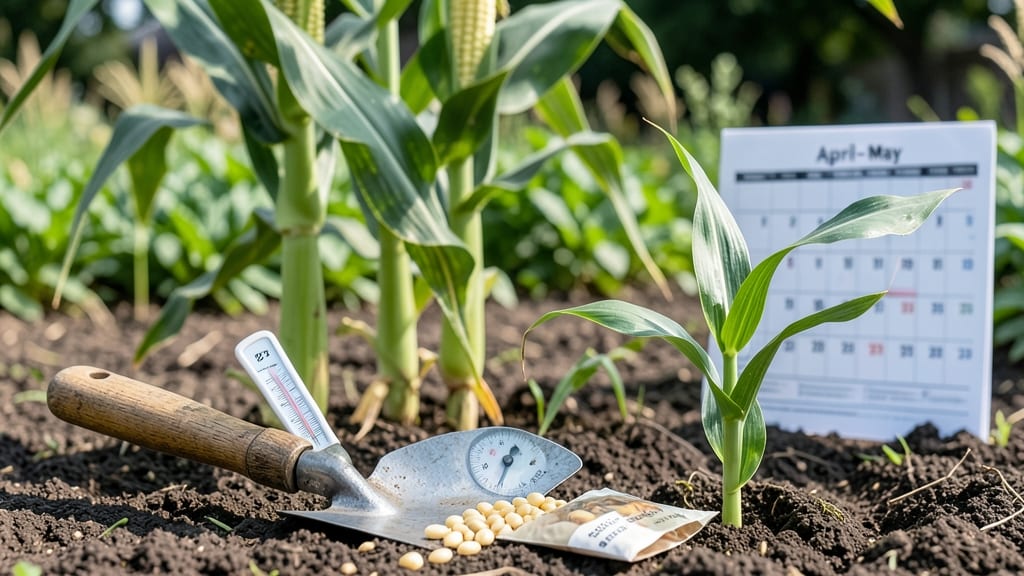
If you're wondering when to plant field corn in NC, timing isn't just about dates—it's about avoiding frost damage and maximizing your harvest.
Field corn 🌽 thrives in North Carolina's zones 7a-8b, but planting too early or late can mean the difference between a thriving crop and a failed one.
Most gardeners in NC aim to plant between mid-April and early June, after the last frost date, which typically falls around March 15. But soil temperature is the real game-changer—waiting until the ground reaches at least 50°F at 4 inches deep ensures your seeds germinate properly and grow strong.
In this guide, I’ll break down the exact soil temperature triggers by zone, frost-free deadlines, and how to adjust your planting schedule based on corn variety. You’ll also learn how to test soil temperature accurately and when to stagger plantings for extended harvest windows.
Whether you're growing sweet corn for fresh eating or field corn for grain, getting the timing right is the key to a successful crop. Let’s dive into the details so you can plant with confidence and avoid common mistakes that waste time and resources.
NC soil temperature triggers for planting field corn by zone
Field corn thrives when planted in warm soil—aim for 50°F or higher at a 4-inch depth. In North Carolina's USDA zones 7a-8b, soil temperatures hit this threshold between mid-April and early May, depending on elevation and microclimates.
Testing soil temperature with a soil thermometer (or your finger—50°F feels cool but not freezing) ensures you plant at the perfect time for germination.
North Carolina spans multiple microclimates, so your exact planting window varies.
For example, western NC (zone 7a) may need to wait until early May, while coastal areas (zone 8b) can start as early as late April. Mountain regions often face cooler soils, delaying planting by 1-2 weeks compared to the Piedmont or Coastal Plain.
Here’s how to test soil temperature accurately: Insert a soil thermometer 4 inches deep in your planting bed. Check temperatures in the morning (7-9 AM) for consistency. If it’s below 50°F, wait 3-5 days and retest. Rushing planting into cold soil can lead to poor germination or seed rot.
For early planting (late March to early April), use black plastic mulch to warm the soil faster. Lay it down 1-2 weeks before planting to raise soil temperatures by 5-10°F. This trick is especially useful in higher-elevation zones like the Blue Ridge Mountains.
In zone 7a (western NC), aim to plant by May 1 for most varieties. In zone 8b (coastal NC), you can start as early as April 15.
These deadlines ensure corn reaches maturity before the first fall frost, typically around November 15 in most of the state.
If you’re unsure about your zone, use the NC State Extension Planting Calendar as a guide. It provides county-specific frost dates and soil temperature trends. For example, Asheville (zone 7a) usually plants 2 weeks later than Raleigh (zone 7b).
Pro tip: Plant a test row 1-2 weeks before your target date. If the soil is warm enough for germination, you’ve found your sweet spot. If not, adjust your schedule and use the extra time to prepare your soil with compost or aged manure.
Once you’ve nailed down your soil temperature window, focus on seed spacing. Plant seeds 1-1.5 inches deep and 8-12 inches apart in blocks (not rows) to improve pollination. This spacing gives roots room to grow and reduces competition for nutrients.
For high-elevation gardens (above 3,000 feet), consider earlier-maturing varieties (85-90 days to harvest) to avoid frost risk. Varieties like 'Silver Queen' or 'Peaches and Cream' are reliable choices for cooler climates. In coastal zones, you can afford to plant late-maturing varieties (110+ days) since the growing season is longer.
Always keep an eye on the 7-day forecast before planting. If a cold snap is predicted, delay planting until temperatures stabilize. Corn seeds won’t germinate below 50°F, and young seedlings are vulnerable to frost damage.
Finally, remember that soil temperature fluctuates daily. Planting in the afternoon can raise soil temps slightly, but morning planting is ideal for consistent germination. With these triggers in mind, you’ll be ready to plant field corn at the perfect time for a bountiful harvest.
Frost-free deadlines & critical planting windows in North Carolina
North Carolina's frost-free deadlines vary dramatically by zone, and missing them can leave your field corn vulnerable to late-season damage. In USDA Zone 7a (western mountains), the last frost typically hits around April 15, while Zone 8b (coastal areas) usually sees its final frost by March 15.
These dates create your critical planting window—plant too early, and frost will kill seedlings; too late, and your corn won't mature before autumn frosts.
For field corn, aim to plant 2-3 weeks after your last frost date to ensure strong germination. This means mid-April to early May for most of NC, but late April to early June in high-elevation areas like the Blue Ridge Mountains.
Corn needs 90-120 days to mature, so calculate backward from your first frost date (typically November 15 in Zone 7a, October 30 in Zone 8b).
🌽 NC Frost-Free Deadlines & Planting Windows
| USDA Zone | Last Frost Date | Safe Planting Window | First Frost Risk |
|---|---|---|---|
| 7a (Mountains) | April 15 | Late April - Early June | Nov 15 |
| 7b (Piedmont) | April 1 | Mid-April - Late May | Nov 1 |
| 8a (Coastal) | March 15 | Early March - Early May | Oct 30 |
| 8b (Outer Banks) | March 1 | Late February - Late April | Oct 15 |
*Use a 14-day buffer for high-risk zones to account for unexpected late frosts.
In high-risk zones like the mountains, add a 14-day buffer to your planting schedule. For example, if your last frost is April 15, wait until May 1 to plant.
This extra cushion accounts for unpredictable late frosts that can devastate young corn seedlings. Monitor local forecasts from the NC State Climate Office for real-time adjustments.
Corn's growth stages also dictate timing. Plant early-maturity varieties (85-90 days) slightly earlier for high-elevation areas, while late-maturity varieties (110+ days) should go in by mid-May in coastal zones. Stagger planting by 10-14 days if you want a prolonged harvest window—this ensures ears mature at different times, reducing waste.
Pro tip: Use black plastic mulch to warm soil faster and extend your planting window by 1-2 weeks. This is especially useful in Zone 7a, where cool soils delay germination. Combine this with row covers for early plantings to shield seedlings from unexpected cold snaps.
Remember, field corn won't tolerate frost at any stage, so prioritize frost-free deadlines over soil temperature alone. If your local extension office provides 30-year frost averages, use those for precision planning.
With these deadlines locked in, you're ready to move on to variety selection and soil prep—both critical for maximizing your NC corn harvest.