
Plants
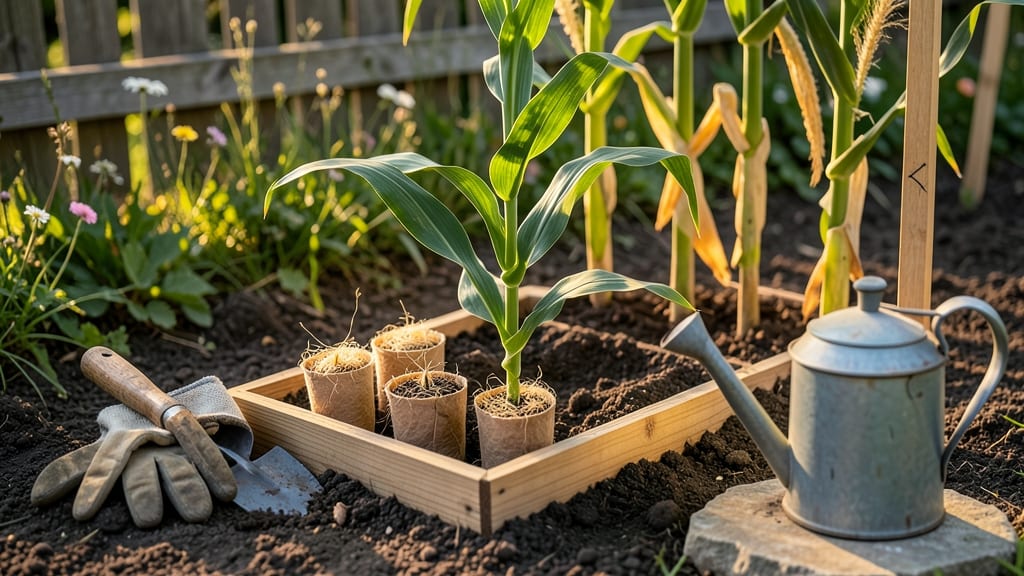
Timing your corn planting in Zone 7a could be the difference between a garden full of 🌽 and a sad, empty patch of dirt. If you plant too early, frost will nip those tender seedlings before they even get started.
But if you wait too long, you might miss the sweet spot for a bountiful harvest.
Most gardeners in Zone 7a know the general rule: wait until after the last frost, usually around mid-April. But there's more to it than just checking the calendar. Soil temperature matters just as much—corn needs warm soil to germinate properly, and waiting until it hits 60°F makes all the difference.
In this guide, I'll break down the exact planting window for Zone 7a, including when to start seeds indoors (if you're ambitious) and how to adjust for early or late varieties. You'll also learn how to extend your growing season and avoid common mistakes that ruin corn crops.
Whether you're a first-time gardener or a seasoned pro, getting the timing right means more ears on the cob—and fewer headaches in the process. Let's get your corn growing like a pro!

Zone 7A corn planting schedule: exact weeks before last frost for sweet corn varieties
Timing your corn planting in Zone 7A is all about balancing soil warmth, frost risk, and variety maturity.
The average last frost date for Zone 7A falls between March 15 and April 15, but your exact timing depends on local microclimates and the specific corn variety you’re growing.
Planting too early risks frost damage, while waiting too long may mean your plants won’t mature before fall’s first frost.
For sweet corn, aim to plant seeds 2–4 weeks after your last frost date.
This window typically translates to mid-April to early May in most of Zone 7A. However, if you’re growing early-maturing varieties (like Silver Queen or Ambrosia), you can start as early as late March in warmer microclimates or with protective measures like row covers.
Soil temperature is just as critical as air temperature. Corn seeds won’t germinate well until the soil reaches at least 60°F. Use a soil thermometer to monitor warmth—planting in cold soil can lead to poor germination or stunted growth.
In Zone 7A, soil usually hits this threshold by early to mid-April, but this can vary by 1–2 weeks depending on your location.
Here’s a quick rule of thumb: Count backward from your average first frost date (typically October 15 in Zone 7A) using your corn’s days to maturity. For example, a 70-day variety planted on May 15 should mature by July 25, leaving plenty of time before frost.
Adjust your planting window based on your variety’s needs—early varieties (60–70 days) can go in sooner, while late varieties (90+ days) need a later start.
| Variety Type | Days to Maturity | Ideal Planting Window | Notes |
|---|---|---|---|
| Early Sweet Corn | 60–70 days | Late March–early April | Best for early harvests; use row covers if frost risk exists. |
| Mid-Season Sweet Corn | 70–85 days | Mid-April–early May | Most popular choice; balances yield and timing. |
| Late-Season Sweet Corn | 85–100+ days | Early May–mid-May | Riskier in Zone 7A; use black plastic mulch to warm soil. |
| Dent Corn (Field Corn) | 90–120 days | Late April–early June | More frost-tolerant; ideal for fall harvests or animal feed. |
If you’re unsure about your local frost dates, check your USDA Plant Hardiness Zone Map or consult your local cooperative extension service. These resources often provide hyper-local frost data that can refine your planting schedule.
For example, areas like Raleigh, NC tend to have earlier last frosts than Lexington, KY, so adjust accordingly.
For a successive planting strategy, consider staggering your corn plantings every 2 weeks to ensure a continuous harvest. This works well for mid-season varieties planted in April and May.
Just be sure to leave enough space—corn needs 4–6 inches between plants and 2–4 feet between rows to grow properly.
Don’t overlook the importance of soil preparation. Corn thrives in well-draining, fertile soil with a pH of 6.0–7.0. Before planting, amend your soil with compost or aged manure to provide nutrients.
A light application of fertilizer (like 10-10-10) at planting time can also give your corn a strong start.
Finally, keep an eye on the weather forecast in the days leading up to your planting date. If a late frost is predicted, delay planting until temperatures stabilize.
Corn seedlings are extremely frost-sensitive, and even a light frost can kill them outright. When in doubt, wait for consistent warmth—your harvest will thank you!
How to extend corn growing season in Zone 7A: tips for late plantings and fall harvests
Zone 7A gardeners know that corn thrives in warm weather, but what if you want to squeeze in a second planting? Extending your corn season is totally possible with the right strategies.
The key is choosing the right corn varieties and using tools like black plastic mulch or row covers to warm the soil faster.
For late plantings, focus on short-season varieties like 'Early Sunglow' or 'Silver Queen,' which mature in just 60–70 days. These can be planted as late as mid-June in Zone 7A, giving you a harvest before the first frost in mid-October. Always check the back-of-the-packet days-to-maturity to avoid disappointment.
Here’s how to maximize your chances of success with late plantings:
Lay down black plastic 1–2 weeks before planting to raise soil temperature by 10–15°F. This helps seeds germinate faster and speeds up growth.
Lightweight row covers can add 2–4°F of warmth, protecting young plants from unexpected cool snaps. Remove them during the day once plants are established.
Look for early-maturing or cold-hardy varieties like 'Bodacious' or 'Peaches & Cream.' These handle cooler soils better than standard types.
South-facing beds or areas near fences/walls trap heat, giving your corn a head start. Avoid low-lying spots where frost lingers.
Late-season corn needs consistent moisture but avoid overwatering, which can delay maturity. Water deeply in the morning to reduce fungal risks.
Another trick is to succession plant every 2 weeks in early spring for a staggered harvest. This way, you’ll have fresh ears from July through September without relying on late-season gambles.
Just be sure to mark your calendar for the last possible planting date—typically 8–10 weeks before your first frost.
If you’re aiming for a fall harvest, prioritize fast-maturing varieties and monitor weather forecasts closely. A light frost can damage tender leaves, but mature ears often survive. To protect your investment, consider harvesting before frost and storing ears in the fridge for up to 1 week.
With these strategies, you can turn Zone 7A’s shorter growing season into a corn-growing powerhouse. Experiment with a few late plantings—you might be surprised at how much extra harvest you can coax from your garden! 🌽