
Planting
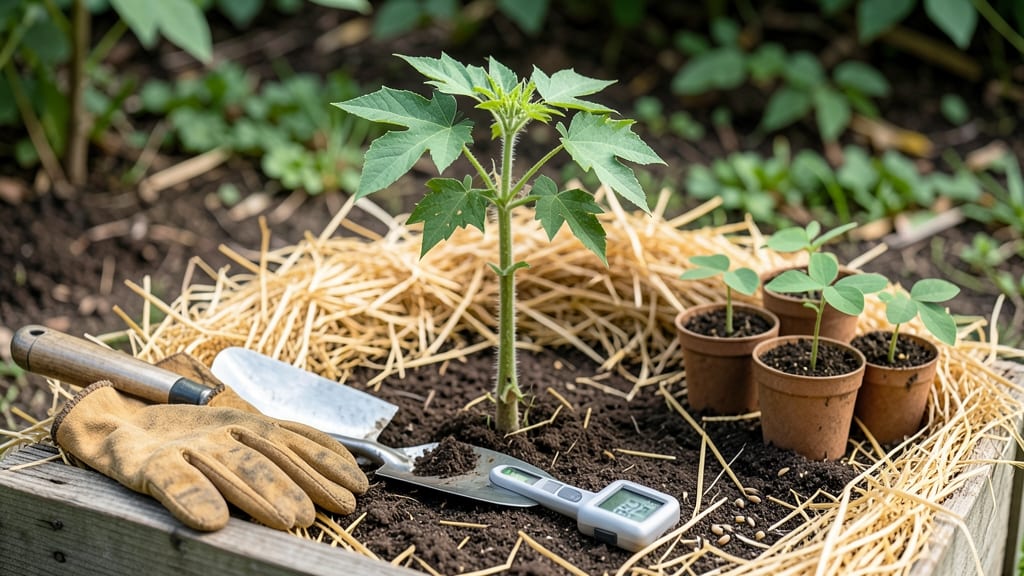
If you're dreaming of a thriving cotton crop in Texas 🧵, timing your planting could make all the difference between a bountiful harvest and a disappointing flop. The right window ensures your cotton gets the warm soil and frost-free growing season it needs to flourish.
Texas gardeners know the stakes—plant too early, and a late frost could wipe out your seedlings. Too late, and your cotton might struggle with summer heat before it even matures.
The key lies in understanding your specific zone, whether you're in North Texas's cooler 8a or South Texas's balmy 10b.
In this guide, I'll break down the perfect planting windows for each Texas region, from the March-May sweet spot in North Texas to the extended January-April window in the South. You'll also learn how soil temperature and last-frost dates play into your success.
Ready to set your cotton up for the best possible start? Let's dive into the exact dates and tips you need to avoid common pitfalls and maximize your yield.
Texas cotton planting dates by hardiness zone: frost-free deadlines & soil temperature rules
Texas stretches across USDA Zones 8a-10b, meaning cotton planting windows vary dramatically from the Panhandle's chilly springs to South Texas' early starts. Getting your timing right means avoiding late frosts that can kill seedlings and ensuring soil stays warm enough (60°F+) for germination.
Let's break down the ideal planting windows by region so you can align your schedule with Texas' unpredictable weather.
For North Texas (Zones 8a-8b), the last frost typically arrives between February 15 and March 15, but soil temperatures may linger below 60°F until mid-March. This means waiting until late March to early April gives cotton seeds the warmth they need to sprout consistently.
In Central Texas (Zones 8b-9a), you can plant as early as mid-February in protected microclimates, but most growers aim for March 1-April 15 to balance frost risk with soil warmth.
South Texas (Zones 9b-10b) offers the longest growing season, with January 15-February 15 being the sweet spot for planting. Here, the threat of frost is minimal, and soil temperatures often hit 65°F+ by late January. However, planting too early in South Texas' hot summers can stress seedlings, so aim for February-March for optimal results.
| Region | USDA Zone | Last Frost Date | Ideal Planting Window | Soil Temp for Germination |
|---|---|---|---|---|
| North Texas | 8a-8b | Feb 15 - Mar 15 | Late March - Early April | 60°F+ |
| Central Texas | 8b-9a | Feb 1 - Mar 1 | March 1 - April 15 | 60°F+ |
| South Texas | 9b-10b | Jan 15 - Feb 15 | February - March | 65°F+ |
Pro tip: Use a soil thermometer to confirm temperatures before planting. Cotton seeds won't germinate below 60°F, and cooler soils can lead to uneven sprouting or disease.
In North Texas, consider using black plastic mulch to warm the soil faster—this can shave 1-2 weeks off your planting timeline by raising soil temps by 5-10°F.
For Central and East Texas, where humidity spikes in spring, plant in morning hours to give seedlings time to establish roots before afternoon heat.
If you're in South Texas and planting in January, monitor rainfall patterns—excess moisture can cause seed rot, so ensure your soil drains well or plant on raised beds.
Remember, cotton has a 120-180 day growing season, so your planting window should leave enough time for harvest before first frost. In North Texas, aim to finish planting by May 1 to avoid stunted growth from summer heat.
Meanwhile, South Texas growers can push planting into early June for a second crop, though yields may be smaller due to late-season stress.
One common mistake is planting too early in North Texas and risking frost damage. Always check your local Cooperative Extension Service for updated frost dates—some years, the last frost can arrive 2-3 weeks later than average.
When in doubt, err on the side of waiting until soil temps are consistently 60°F+ for 5+ days.
For container growers or those in urban areas with microclimates, planting dates can shift slightly. A south-facing wall might add 1-2 weeks to your frost-free window, while shaded areas could delay planting by the same amount. Always observe your specific conditions before committing to a schedule.
Finally, keep an eye on long-range weather forecasts in late winter. If a cold snap is predicted after your planting, delay until conditions stabilize. Cotton seedlings are delicate in their first 3-4 weeks, and even a light frost can set back growth by 2-3 weeks.
How to adjust cotton planting for Texas weather extremes: heat, drought & rainfall risks
Texas summers can turn your cotton field into a furnace, and droughts or sudden downpours can derail even the best-laid plans. The key to success? Adapting your planting schedule and using weather-smart strategies to protect your crop.
We’ve learned from years of Texas gardening that soil moisture tests and irrigation timing are non-negotiable—especially when temperatures climb above 95°F.
For North Texas, where heatwaves hit early, consider staggered planting in late April to avoid the June-July scorcher. In Central Texas, where humidity spikes, plant in March-April and use mulch to retain moisture.
Meanwhile, South Texas growers can start as early as February, but must watch for hurricane-season rains in late summer.
🌡️ Heatwave Alert!
If temperatures exceed 95°F for more than 3 days, cotton seedlings can bolt prematurely or develop heat stress. Shade cloth (30-50%) can buy you 2-3 weeks of protection while seedlings establish roots.
Pro Tip: Plant deeper (1-2 inches) in hot zones—it keeps seeds cooler and moist longer.
Drought is another Texas reality. Deep watering (1-2 inches per week) is critical, but drip irrigation beats overhead sprinklers—it reduces evaporation and prevents fungal diseases like bacterial blight.
Test soil moisture with a trowel: if the top 2 inches are dry, it’s time to water. Mulch with straw (not plastic) to lock in moisture and regulate soil temperature.
Rainfall risks vary wildly by region. In East Texas, where afternoon thunderstorms are common, plant on cloudy mornings to avoid compacted soil.
In West Texas, where rainfall is scarce, soil amendments like compost improve water retention. Never plant in soggy soil—cotton roots need oxygen, and waterlogged conditions invite root rot.
For late-season planting (June-July), choose heat-tolerant varieties like Stoneville 474 and use reflective mulch to lower soil temps by 5-10°F. If you’re in South Texas and facing hurricane season, avoid planting after June 15—strong winds can topple young plants.
Remember, Texas weather is unpredictable. Keep a garden journal to track planting dates, rainfall, and temperature spikes. Over time, you’ll spot patterns and adjust your schedule to outsmart the extremes. Patience and flexibility are your best tools in the Lone Star State’s unforgiving climate.