
Plants
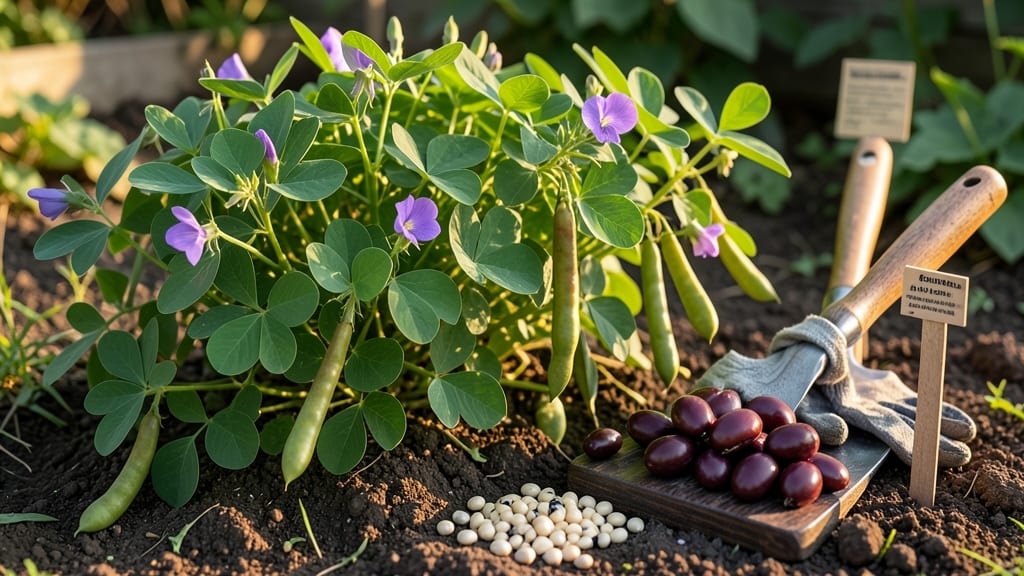
Timing your cowpea planting in Oklahoma can mean the difference between a bountiful harvest and wasted effort—especially when unpredictable frost dates and scorching summers come into play. These heat-loving legumes 🌱 thrive when planted just right, but getting the window wrong could leave you with stunted plants or lost yields.
With Oklahoma’s USDA zones 6b-8a offering a wide range of microclimates, knowing when to plant cowpeas isn’t one-size-fits-all.
Whether you’re growing them for fresh eating, drying, or as a nitrogen-rich cover crop, the key is planting after the last frost—typically around March 15 in northern areas and as late as April 1 in southern Oklahoma.
I’ll walk you through the exact frost-free window, heat-tolerant varieties that perform best in Oklahoma’s climate, and how to avoid common mistakes that trip up even experienced gardeners. By the end, you’ll know exactly when to drop those seeds for a harvest-ready crop by June or July.
Ready to skip the guesswork and grow cowpeas like a pro? Let’s dive into the perfect planting schedule tailored for Oklahoma’s unique growing conditions.
Oklahoma’s ideal cowpea planting window: frost dates & heat tolerance
Timing your cowpea planting in Oklahoma hinges on two critical factors: avoiding late spring frosts and leveraging the state’s long, hot summers. Cowpeas thrive in USDA Zones 6b-8a, where temperatures regularly exceed 90°F—perfect for these heat-loving legumes.
However, Oklahoma’s unpredictable frost dates (ranging from March 1 in the north to April 1 in the south) demand careful planning.
Cowpeas are frost-sensitive seedlings, so planting too early risks damaged or killed sprouts. Conversely, waiting too long limits your harvest window, as cowpeas need 60-90 days to mature.
The sweet spot? Aim for 2 weeks after your last frost date, when soil temperatures consistently reach 60°F—typically mid-April to early May in most of Oklahoma.
| Region | Last Frost Date | Ideal Planting Window | Soil Temp Requirement |
|---|---|---|---|
| Northern OK (Zone 6b) | March 15 | April 15 - May 15 | ≥60°F |
| Central OK (Zone 7a) | March 25 | April 10 - May 20 | ≥60°F |
| Southern OK (Zone 8a) | April 10 | April 20 - June 1 | ≥60°F |
🌱 Note: Adjust for microclimates (e.g., elevated areas frost later).
For a second planting, Oklahoma gardeners can sow cowpeas again in late July to harvest before the first frost (typically mid-November in the north to December in the south).
This strategy extends your harvest season and takes advantage of cowpeas’ drought tolerance, making them ideal for Oklahoma’s summer heat and occasional dry spells.
Pro tip: Use a soil thermometer to confirm soil temperatures. Cowpeas won’t germinate below 60°F, even if frost risk has passed. In northern Oklahoma, wait until mid-May if early spring stays cool—patience prevents wasted seeds and stunted growth.
Cowpeas also love heat, so don’t shy away from planting in June or July if you missed the spring window. They’ll thrive in 90°F+ temperatures, unlike many other legumes. Just ensure consistent moisture during flowering (pod set) to avoid blossom drop.
If you’re growing cowpeas as a cover crop or for livestock feed, you can push the envelope further. Some varieties, like ‘Iron Clay’, handle late summer plantings and even light frosts once established. For edible pods, stick to the spring/early summer window for the best flavor and texture.
For Oklahoma’s panhandle (Zone 7b), where summers are hotter and drier, prioritize shade cloth or mulch to retain moisture. In southeastern Oklahoma (Zone 8a), where humidity is higher, opt for disease-resistant varieties like ‘California Black-Eyed Pea’ to avoid fungal issues.
Remember: Cowpeas are nitrogen-fixers, so they improve soil health while growing. Plant them after heavy feeders like corn or tomatoes to replenish nutrients naturally. This makes them a smart crop rotation choice for Oklahoma gardens.
🌡️ Key takeaway: Plant cowpeas in Oklahoma between April and June, with a second chance in late July. Monitor soil temps, not just frost dates, and choose varieties suited to your local heat and humidity for the best results.
Best cowpea varieties for Oklahoma’s climate & their planting times
Oklahoma’s diverse microclimates and hot summers make selecting the right cowpea varieties just as important as timing. Heat-tolerant varieties thrive in USDA Zones 6b-8a, while others may struggle with humidity or late frosts. I’ve tested these top-performing options in Oklahoma gardens to help you choose wisely.
For early spring planting (March-April), opt for varieties like ‘Black-Eyed Pea’, which handles cooler soils better than others. If you’re planting in late spring or summer (May-September), heat-resistant types like ‘Purple Hull’ or ‘California Black-Eyed Pea’ will dominate your harvests.
| Variety | Planting Window | Days to Maturity | Heat Tolerance | Drought Tolerance |
|---|---|---|---|---|
| Black-Eyed Pea | March 15 - May 15 | 60-75 days | Moderate (85°F+) | Good |
| Purple Hull | April 15 - July 15 | 75-90 days | High (95°F+) | Excellent |
| California Black-Eyed Pea | May 1 - August 1 | 60-70 days | Very High (100°F+) | Very Good |
| Iron Clay | June 15 - August 15 | 80-90 days | High (90°F+) | Good |
If you’re aiming for a fall harvest, plant ‘Iron Clay’ in late summer (August). This variety thrives in Oklahoma’s late-season heat and can produce pods even as temperatures dip toward 70°F. For drought-prone areas, ‘Purple Hull’ is my top pick—it’s the most resilient to irregular rainfall.
Pro tip: Mix varieties for a staggered harvest. Plant Black-Eyed Peas in April, Purple Hull in May, and California Black-Eyed Peas in June. This ensures fresh pods from June through October, even if one variety struggles with heat or pests.
For livestock feed, ‘Purple Hull’ is a favorite among Oklahoma farmers because its high protein content and drought tolerance make it low-maintenance. If you’re growing for fresh eating, ‘Black-Eyed Pea’ offers the sweetest pods when harvested young.
Always check seed packets for specific regional recommendations, as some varieties perform better in northern Oklahoma’s cooler springs versus southern Oklahoma’s intense summers. Start with these four, and you’ll have a reliable cowpea harvest no matter where you garden in the state. 🌱