
Plants
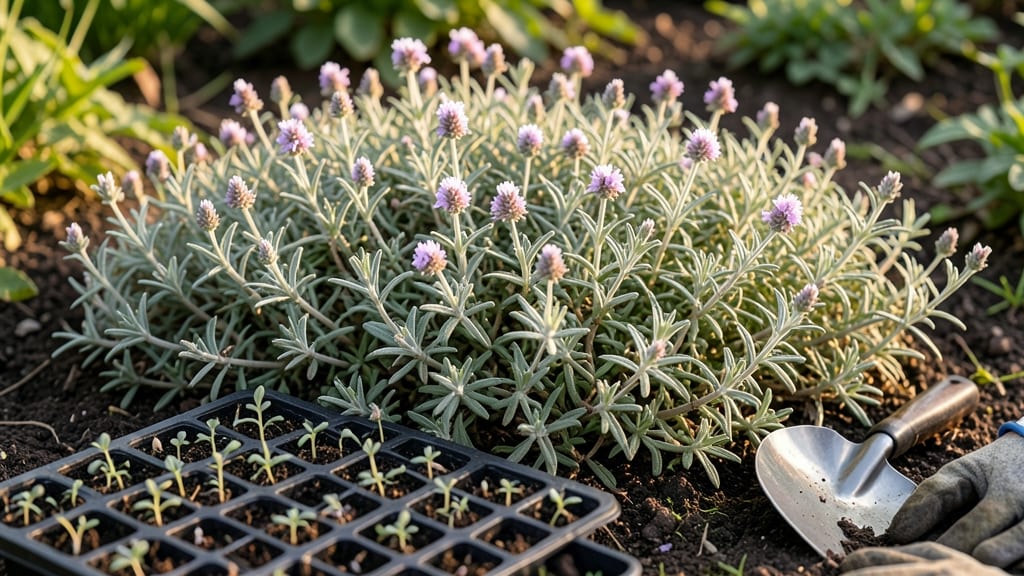
Timing your creeping thyme planting in Colorado isn’t just about the calendar—it’s about altitude, frost dates, and soil readiness that can make or break your garden’s success.
With USDA zones 5-8 and elevation shifts from 5,000 to 10,000+ feet, your Front Range garden might thrive in early April while mountain towns like Aspen wait until May.
Why does this matter? Planting too early risks frost damage, while waiting too long can stunt growth. I’ll break down the exact frost-free windows for your elevation zone—whether you’re in Denver’s urban heat or a high-country microclimate—and how to adjust for soil temperature and microclimates.
You’ll also discover whether creeping thyme behaves as a perennial powerhouse or struggles in Colorado’s short growing seasons, plus pro tips for starting seeds indoors or using row covers to extend your planting window.
Let’s get your 🌿 creeping thyme off to the right start—no guesswork, just data-driven timing tailored to Colorado’s quirks.
Colorado’s creeping thyme planting zones by elevation: exact frost-free dates
Colorado’s elevation extremes mean your creeping thyme’s planting window can vary by 2-3 months depending on whether you’re in Denver’s Front Range or Aspen’s high country. The key is understanding your USDA hardiness zone and last frost dates, which shift dramatically with altitude.
For example, Denver (Zone 5) typically has its last frost around May 10, while Durango (Zone 6) sees frost-free soil by April 20. High-elevation areas like Telluride (Zone 7) can plant as early as March 15.
Creeping thyme thrives as a perennial in Colorado’s climate, but its root establishment period is critical. Planting too early risks frost damage, while waiting too late can stunt growth before winter.
The ideal planting window is 2-4 weeks after your area’s last frost, when soil temperatures reach 60°F+. For high-altitude gardens, this might mean waiting until late May or early June.
Here’s how Colorado’s three main elevation zones break down for creeping thyme planting:
| Elevation Zone | USDA Zone | Last Frost Date | Best Planting Window | Notes |
|---|---|---|---|---|
| Lowland (Front Range) | 5-6 (Denver, Colorado Springs) | Mid-April to May 10 | April 20 - May 15 | Urban heat islands may allow earlier planting |
| Mid-Elevation (6,000-9,000 ft) | 6-7 (Fort Collins, Boulder) | April 1 - May 5 | April 15 - May 10 | Wind exposure delays planting; use row covers |
| High Elevation (9,000+ ft) | 7-8 (Aspen, Telluride) | March 15 - April 10 | April 1 - May 1 | Soil warms slower; test with soil thermometer |
For fall planting, aim for 6-8 weeks before your first frost. In Denver, this means September 1-15, while high-altitude areas like Leadville (Zone 4) should wait until late August.
Fall planting gives creeping thyme time to establish roots before winter, reducing transplant shock. Always choose hardy varieties like ‘Doone Valley’ or ‘Elfin’, which handle Colorado’s temperature swings better than tender types.
Colorado State University Extension recommends testing soil pH before planting—creeping thyme prefers 6.0-7.0. Amend heavy clay soils with sand or compost to improve drainage, as waterlogged roots are the #1 killer of creeping thyme. If your garden has poor drainage, consider raised beds or slopes for better airflow.
Pro tip: Use mulch (straw or pine needles) after planting to retain moisture and regulate soil temperature. In high-altitude gardens, a 3-inch mulch layer can add 2-3°F warmth to the soil, extending your planting window by 1-2 weeks. Just avoid piling mulch against stems to prevent rot.
If you’re unsure about your last frost date, check local weather stations or use the National Oceanic and Atmospheric Administration (NOAA) frost calculator. For Denver metro areas, the Colorado State Patrol’s Road Conditions page often updates frost advisories in spring.
Remember, creeping thyme’s drought tolerance makes it perfect for Colorado’s dry climate once established—just get the timing right!
For gardeners in Zone 4 (eastern plains), consider container growing to move pots indoors during hard freezes. Creeping thyme’s compact growth makes it ideal for balcony gardens or rockery edges, where you can protect it during late frosts.
🌱
How to adjust planting timing for Colorado’s microclimates and soil conditions
Colorado’s microclimates can shift planting windows by weeks—even within the same city. Urban heat islands in Denver may allow early spring planting, while windy mountain towns like Aspen need protective measures. Always check your local frost dates (Colorado State University Extension has tools for this) and adjust accordingly.
For lowland areas (Denver, Colorado Springs), aim to plant creeping thyme 2-3 weeks after your last frost date. In mid-elevation zones (6,000–9,000 ft), wait until soil reaches 60°F+—use a soil thermometer to confirm. High-elevation gardens (9,000+ ft) often need row covers or even container planting for extra protection.
Soil drainage is critical—creeping thyme hates soggy roots. Amend heavy clay with sand or compost to improve aeration. If your soil drains poorly, consider raised beds or sloped planting areas. Test your soil’s pH (ideal range: 6.0–7.0) before planting, as alkaline Colorado soils often need sulfur amendments.
Want a head start? Begin indoor seed starting 6–8 weeks before your last frost date. Use seed-starting trays with a heating mat (creeping thyme germinates best at 70–75°F). Transplant seedlings outdoors after hardening off for 7–10 days—this extends your growing season by weeks.
🌱 Key Adjustments for Colorado Gardens
- Urban Areas: Plant 2 weeks early—heat islands warm soil faster.
- Wind-Prone Zones: Use windbreaks or low borders to protect seedlings.
- High Elevation: Extend season with row covers or black plastic mulch.
- Poor Drainage: Amend soil with perlite or compost before planting.
Pro Tip: Mulch with gravel or straw to retain moisture and regulate soil temp.
Fall planting is ideal for Colorado’s drier climates. Aim for 6–8 weeks before first frost (typically late August–September in most zones). This gives roots time to establish before winter. Avoid planting in late fall—new growth won’t harden off before cold snaps.
If you’re unsure about your microclimate, observe nearby mature plants. Thriving creeping thyme in your area signals safe planting conditions. For extra peace of mind, use frost cloth during early spring or late fall to shield young plants from unexpected 32°F+ drops.
With these adjustments, your creeping thyme will thrive year after year!