
Plants
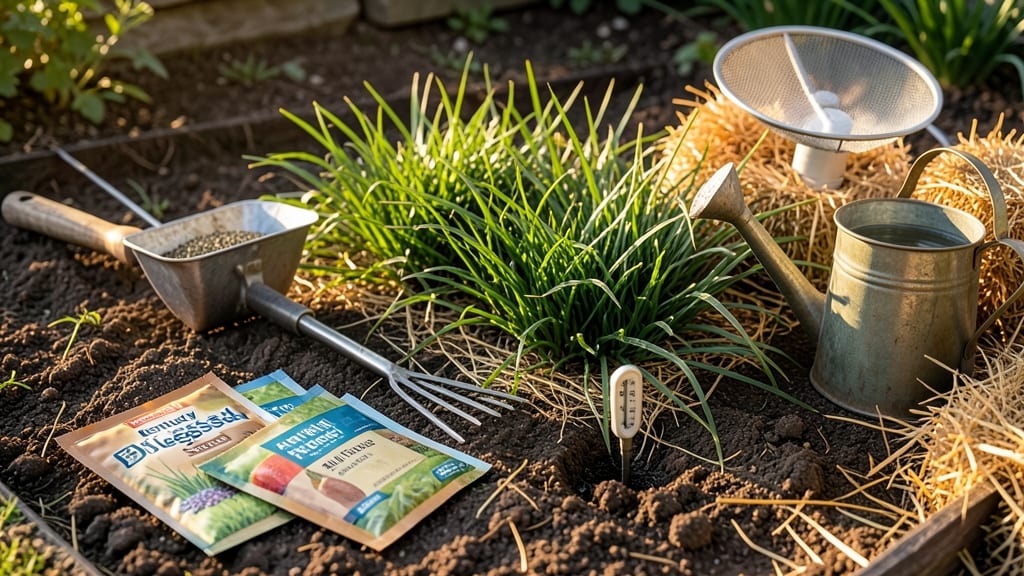
Timing your grass seed planting in Colorado Springs is the key to beating the region’s tricky weather—whether it’s dodging late spring frosts or racing against fall’s first chill.
With USDA Zone 6a conditions and 6,000+ ft elevation, getting it right means the difference between a thick, vibrant lawn and weeks of patchy regrowth.
Most gardeners here swear by fall planting (September–October) when soil temps hover between 60–75°F, but spring also works if you act fast—after April 15, when the last frost finally fades.
The challenge? Colorado Springs’ microclimates can vary wildly, even within the same neighborhood, thanks to urban heat islands and Pikes Peak’s shadow.
I’ve planted grass in this zone for years, and the biggest mistakes I’ve seen? Skipping soil tests, choosing the wrong grass type, or ignoring moisture levels during those critical first weeks.
Let me walk you through the exact steps to time it perfectly—plus how to adjust for your yard’s unique conditions.
From soil prep to post-planting care, you’ll learn how to outsmart Colorado’s unpredictable spring and dry spells—so your lawn doesn’t just survive, but thrives. Ready to dig in?
Best planting windows for Colorado Springs grass seed based on soil temperature
Colorado Springs' high-altitude climate and unpredictable spring weather make timing critical for grass seed success. The ideal soil temperature range for planting is 55-65°F, where seeds germinate fastest and establish strong roots before summer heat or winter frost arrive.
In my experience, fall planting (September-October) often outperforms spring efforts because cooler temps reduce stress on new grass. However, late spring (April-May) can work if soil warms consistently—just monitor daily forecasts for late frosts.
Here’s how to test your soil’s readiness: Press your finger 3-4 inches deep—if it feels cool but not freezing, it’s prime time. Use a soil thermometer for precision, especially in elevated areas like near Pikes Peak where temps lag behind valleys.
The last frost date in Colorado Springs averages April 15, but microclimates near Manitou Springs or Garden of the Gods can delay frost by 1-2 weeks. Always plant 2-3 weeks after this date to avoid frost damage.
| Season | Best Months | Soil Temp (°F) | Key Considerations |
|---|---|---|---|
| Fall | Early Sept - Mid-Oct | 55-65°F | Cooler temps reduce drought stress; grass establishes before winter. |
| Spring | Late March - Mid-April | 50-60°F | Risk of late frost; prioritize cool-season grasses like Kentucky Bluegrass. |
| Avoid | June-August | >75°F | Extreme heat causes dormancy stress; seeds may fail to germinate. |
For cool-season grasses like Tall Fescue or Kentucky Bluegrass, aim for early September planting. These varieties thrive in Colorado Springs’ USDA Zone 6a and handle our dry spells better than warm-season options.
If you’re seeding in late spring, choose fast-germinating varieties like Perennial Ryegrass, which can establish in 7-14 days if soil temps stay above 55°F. Always water deeply twice daily for the first week to prevent desiccation.
One common mistake I see is planting based on air temperature rather than soil temperature. A 70°F afternoon might fool you, but if the ground is still 45°F, seeds won’t sprout. Use a soil thermometer for 3 consecutive days before committing.
Pro tip: Mulch lightly with straw after planting to retain moisture and regulate soil temps. In windy areas like near Garden of the Gods, secure mulch with landscape pins to prevent blowing away.
Remember, Colorado Springs’ elevation means soil warms slower than in lower-altitude cities. If you’re unsure, plant 2 weeks later than the average window—your grass will thank you with faster, denser growth.
How Colorado Springs microclimates affect grass seed planting timing
Colorado Springs' elevation of 6,000+ feet creates unique microclimates that can shift your ideal planting window by weeks. Nearby Pikes Peak casts cooler shadows, while urban areas like downtown experience heat islands that delay frost. Even a north-facing yard stays colder than south-facing slopes—all factors that demand careful timing adjustments.
At higher elevations (7,000+ ft), like Manitou Springs, soil warms slower—delay spring planting until mid-April instead of late March. Meanwhile, lower urban areas (5,800-6,000 ft) may see earlier frost risks in fall, pushing your last planting date to early October rather than mid-October.
Wind exposure is another critical factor. Yards near Garden of the Gods or open fields experience drier, windier conditions, which can dry out newly planted seed faster. In these areas, water more frequently (every 1-2 days) during establishment to compensate.
Urban heat islands in neighborhoods like Old Colorado City can create microclimates where soil stays 5-10°F warmer than rural areas. Test soil temps here with a soil thermometer—if it hits 65°F+ by early April, you can plant 2 weeks earlier than the general guideline.
🌱 Key Takeaway: Microclimate Adjustments for Colorado Springs
- Elevation +1,000 ft → Delay planting by 1-2 weeks
- Urban heat zones → Plant 1-2 weeks earlier (test soil temp)
- Wind-exposed yards → Increase watering to every 1-2 days
- North-facing slopes → Wait for consistent 60°F+ soil temps
💡 Pro Tip:
Use a soil thermometer ($10 at garden centers) to confirm readiness—55-65°F is ideal for cool-season grasses like Kentucky bluegrass and fescue.
For sheltered yards (e.g., behind fences or buildings), you can plant 1-2 weeks earlier in spring because they warm faster. Conversely, open, sunny areas may dry out quicker—consider drought-tolerant varieties like Buffalo grass if watering is inconsistent.
Always check the National Weather Service's Colorado Springs forecast for 10-day outlooks before planting. A heatwave in May can stress new seedlings, while an unexpected frost in October can kill tender young grass. Local extensions offices (like CSU Extension) also offer free soil tests to refine your timing.
Remember: Fall planting (September-October) is often the best window in Colorado Springs because cooler temps reduce water stress and weed competition. But if you're in a warmer microclimate, like near Fountain Valley, you might extend fall planting into early November.