
Plants
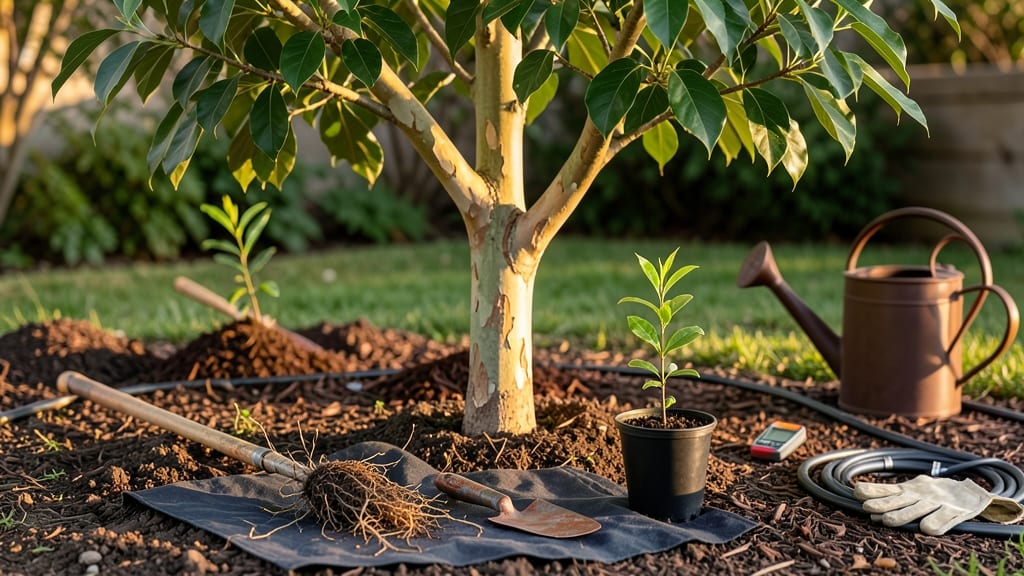
Planting your 🌸 Crepe Myrtle at the wrong time in North Carolina can mean the difference between a thriving tree and one that struggles to take root. The key to success lies in understanding your zone—whether you're in 6a or 8b—and aligning planting with the climate's natural rhythm.
For most gardeners in North Carolina, the ideal window stretches from late winter to early spring (March-April) or fall (September-October). This timing ensures your tree establishes strong roots before summer heat or winter frost sets in.
But with humidity and pests always lurking, getting the timing right is everything.
If you're working with container-grown plants, you've got a little more flexibility—but even then, soil temperature matters. Too cold, and roots won't activate; too hot, and seedlings can dry out. I'll walk you through exactly how to match your planting schedule to your zone for maximum growth.
Let’s break down the best months, soil prep tips, and common mistakes to avoid so your 🌸 Crepe Myrtle grows into the showstopper you planted it to be. Ready to get started?
Best planting months for crepe myrtles in NC by hardiness Zone (5-8)
North Carolina’s diverse climate zones (USDA 5-8) mean the perfect time to plant crepe myrtles varies dramatically.
In cooler zones like Zone 5-6, aim for late April to early May after the last frost, while Zone 7-8 gardeners can plant as early as March or even September for fall planting.
The key is planting when soil temperatures reach 60°F (15°C)—this ensures strong root growth before summer’s heat arrives.
Fall planting is ideal in most of NC because cooler temperatures reduce transplant shock and allow roots to establish before winter. For Zone 8b, September is perfect, while Zone 5-6 should wait until late September to October to avoid early frosts.
Always check your local last frost date—NC’s ranges from March 15 (coastal) to April 15 (mountains).
Crepe myrtles thrive in NC’s humid subtropical climate, but timing matters to avoid heat stress or fungal diseases like powdery mildew.
Planting too early in Zone 7-8 can expose young roots to extreme summer heat, while planting too late in Zone 5-6 risks winter dormancy before roots settle in.
Here’s how NC’s zones break down for crepe myrtle planting:
| Zone | Ideal Planting Window | Soil Temp Threshold | Frost Risk |
|---|---|---|---|
| 5-6 | Late April–Early May or Sept–Oct | 60°F (15°C) minimum | High early frost risk |
| 7a | March–April or Sept–Oct | 55°F (13°C) minimum | Moderate frost risk |
| 7b-8a | February–March or Sept–Oct | 50°F (10°C) minimum | Low frost risk |
| 8b | January–February or Sept–Oct | 45°F (7°C) minimum | Minimal frost risk |
For Zone 8b gardeners (e.g., Raleigh, Charlotte), early spring planting in February works because milder winters reduce frost risks. However, Zone 5-6 (Asheville, Boone) should delay until after May 1 to avoid late frosts that can damage new growth.
Pro tip: Use a soil thermometer to confirm temperatures—crepe myrtles won’t thrive if planted in cold soil.
NC’s humidity and summer heat also influence timing. Planting in late summer (August) is riskier because high temps can stress roots, but it’s acceptable in Zone 7-8 if you water deeply. Always mulch heavily after planting to retain moisture and regulate soil temps.
Container planting extends your window slightly. Potted crepe myrtles can go in the ground 2-3 weeks earlier than bare-root plants because their roots are less vulnerable to temperature swings. Just ensure containers are well-draining to prevent root rot in NC’s humid summers.
One final tip: If you miss the ideal window, bare-root crepe myrtles can sometimes be planted in early winter (December) in Zone 7-8, but cover them with burlap to protect from freezing winds. Just don’t plant in Zone 5-6 after November—winter dormancy will kill young trees.
Timing isn’t just about months—it’s about microclimates. A sheltered microclimate (like near a brick wall) might let you plant 2 weeks earlier in Zone 6, while a windy hilltop could delay planting until June to avoid stress. Observe your yard’s unique conditions!
How to prepare crepe myrtle seedlings for North Carolina’s climate before planting
North Carolina’s humid summers and variable frost dates mean crepe myrtle seedlings need extra care before planting. Acclimating them to local conditions prevents transplant shock and ensures strong root growth. Start by inspecting your seedlings for healthy roots and firm stems—these are your first signs of readiness.
If you’re planting in spring (March-April), harden off container-grown seedlings by gradually exposing them to outdoor conditions over 7-10 days. Move them to a shaded spot during the day and bring them indoors at night. This mimics the temperature fluctuations they’ll face after planting and builds resilience.
Soil preparation is just as critical. Crepe myrtles thrive in well-draining soil with a pH between 5.5 and 7.0. Amend heavy clay soils common in NC with compost or sand to improve aeration. Test your soil’s pH before planting—local extension offices offer affordable kits or testing services.