
Trees
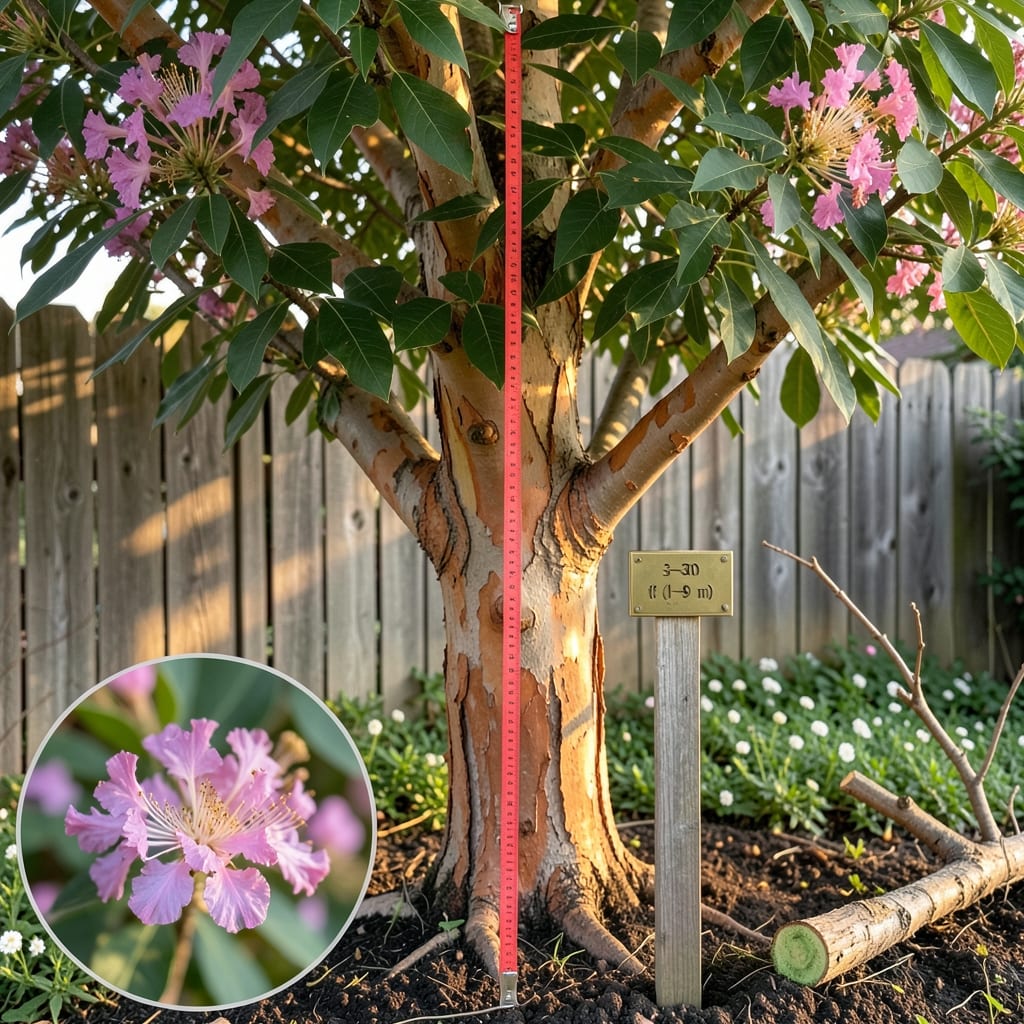
Wondering how tall can a crepe myrtle tree grow before it outgrows your yard? The answer might surprise you—these stunning 🌳 beauties can stretch from a compact 6 feet to a towering 30 feet, depending on the variety you choose.
If you're envisioning a shade tree that soars above your patio or a neatly pruned specimen that fits perfectly in a small garden, the right crepe myrtle can make all the difference. Some varieties stay low and manageable, while others reach heights that rival two-story houses—so picking the right one for your space is key.
But here’s the best part: with the right pruning techniques and growing conditions, you can influence how tall—or short—your crepe myrtle becomes. Whether you want a dramatic focal point or a low-maintenance border, we’ll break down everything you need to know to get the perfect size for your landscape.
Let’s explore the height ranges of popular crepe myrtle varieties and how to keep them at your ideal height without sacrificing their beauty.


Crepe myrtle height ranges by variety: dwarf to giant options
Crepe myrtles (Lagerstroemia spp.) are famous for their showy blooms and adaptability, but their mature height varies dramatically between cultivars. Whether you need a compact accent plant or a towering shade tree, there's a crepe myrtle size for every yard. The key? Choosing the right cultivar for your space and understanding how growth habits differ.
From the dwarf Arapaho (3–4 feet tall) to the tall Natchez (20–25 feet), crepe myrtles offer height flexibility unmatched by most trees. Even within standard varieties, pruning and care can influence final height by up to 30%. Let’s explore the full spectrum of options to help you pick the perfect fit for your landscape.
| Variety | Mature Height | Growth Rate | Best For |
|---|---|---|---|
| Arapaho | 3–4 ft | Slow to moderate | Containers, small yards, foundation plantings |
| Centennial Spirit | 6–8 ft | Moderate | Patio trees, urban landscapes, low-maintenance gardens |
| Tonto | 12–15 ft | Moderate | Medium yards, shade trees, privacy screens |
| Muskogee | 15–20 ft | Fast | Quick shade, large landscapes, street trees |
| Natchez | 20–25 ft | Fast | Shade trees, large properties, focal points |
| Sioux | 25–30 ft | Fast | Tall shade, statement trees, rural landscapes |
| Catawba | 20–30 ft | Fast | Classic shade tree, traditional landscapes |
Note: Heights are approximate and can vary based on pruning, soil, and climate.
If you're working with limited space, dwarf varieties like Arapaho or Centennial Spirit are ideal. These stay under 8 feet tall and thrive in containers, making them perfect for patios or small urban gardens. Their compact growth also means less pruning—just remove dead branches and shape lightly in early spring.
For medium-sized yards, varieties like Tonto or Muskogee strike a balance. They reach 12–20 feet at maturity, providing ample shade without overwhelming smaller properties. These cultivars grow 2–3 feet per year, so you’ll see noticeable height gains within a few seasons.
When you need a statement tree, go for Natchez or Sioux. These giants can surpass 25 feet, making them ideal for large backyards, parks, or as focal points in rural settings. Their rapid growth means they’ll fill out quickly, but be prepared for regular pruning to manage their size and shape.
Pro tip: Always check the cultivar’s specific notes when purchasing, as some nurseries may list height ranges differently based on regional growing conditions. For example, a Sioux crepe myrtle might max out at 25 feet in cooler climates but hit 30 feet in hot, humid zones like the Deep South.
One common misconception is that all crepe myrtles grow tall and unruly. In reality, with the right cultivar selection and pruning practices, you can keep even the largest varieties manageable. For instance, structural pruning in their first few years can limit final height by up to 20%.
If you're unsure which size to choose, consider your yard’s layout. A 6-foot crepe myrtle works beautifully as a foundation plant near driveways, while a 20-foot specimen can anchor a backyard oasis. Measure your space and visualize the tree’s canopy spread—crepe myrtles often grow as wide as they are tall, so account for that in your planning.
Finally, remember that soil quality and sunlight play a role in height. Well-draining, fertile soil with full sun exposure encourages faster, healthier growth. In poor soil or shade, expect 10–15% slower growth rates and potentially shorter mature heights.
How pruning affects crepe myrtle height: techniques for size control
One of the most effective ways to manage your crepe myrtle's height is through pruning. Unlike many trees, crepe myrtles respond well to pruning, allowing you to control their mature height while maintaining their blooming potential. The key is timing and technique—prune at the right time, and you can reduce height by 20–30% without harming the tree.
For young crepe myrtles (under 3 years old), focus on structural pruning to establish a strong framework. Remove weak or crossing branches in late winter or early spring before new growth begins. This encourages a balanced shape and prevents future height issues. Avoid heavy pruning in the first year, as it can stress the tree and delay flowering.
- 1 Winter Pruning (Dormant Season): Prune in late winter (February–March) to remove dead, diseased, or weak branches. This is the best time to shape young trees without risking disease.
- 2 Summer Pruning (After Flowering): Lightly trim to encourage bushier growth and remove overly long branches. Avoid heavy cuts, as this can reduce next year’s flowering potential.
- 3 Height Reduction Cuts: To lower a mature tree, make cuts just above a bud or branch collar. Never leave stubs—this invites disease. For a 6-foot tree, aim to cut back 1/3 of the height over 2–3 years.
- 4 Avoid "Crepe Murder": Never prune down to the main trunk (a practice called "crepe murder"). This removes next year’s flower buds and weakens the tree. Always leave at least 3–4 branches per trunk section.
💡 Pro Tip: Use sterilized pruners and seal cuts with pruning paint to prevent disease.
If you're growing a tall variety like Sioux or Natchez but want to keep it under 20 feet, start pruning in its second or third year. Focus on removing the uppermost branches to redirect growth energy downward. Over time, this can reduce final height by 30–50% compared to an unpruned tree.
For dwarf varieties like Arapaho or Centennial Spirit, minimal pruning is needed—just shape lightly in spring and remove any suckers or dead wood. These cultivars stay under 8 feet naturally, but occasional trimming keeps them looking neat and full. Avoid heavy cuts, as they can stunt growth in compact varieties.
One common mistake is pruning in fall or early winter, which can delay spring blooms and invite fungal issues. Always prune after the last frost but before new growth begins. In warmer climates (USDA zones 8–10), you can prune in late winter or early spring without risking frost damage.
Remember, crepe myrtles bloom on new wood, so avoid heavy pruning after mid-summer. If you must prune later in the season, do so lightly and only for safety reasons (e.g., removing broken branches). For the best flowering display, stick to winter or early spring pruning.
With the right pruning approach, you can shape your crepe myrtle to fit any space—whether you want a 6-foot patio tree or a 20-foot shade provider. The key is patience and consistency. Start early, prune strategically, and enjoy a tree that grows exactly how you want it to!