
Plants
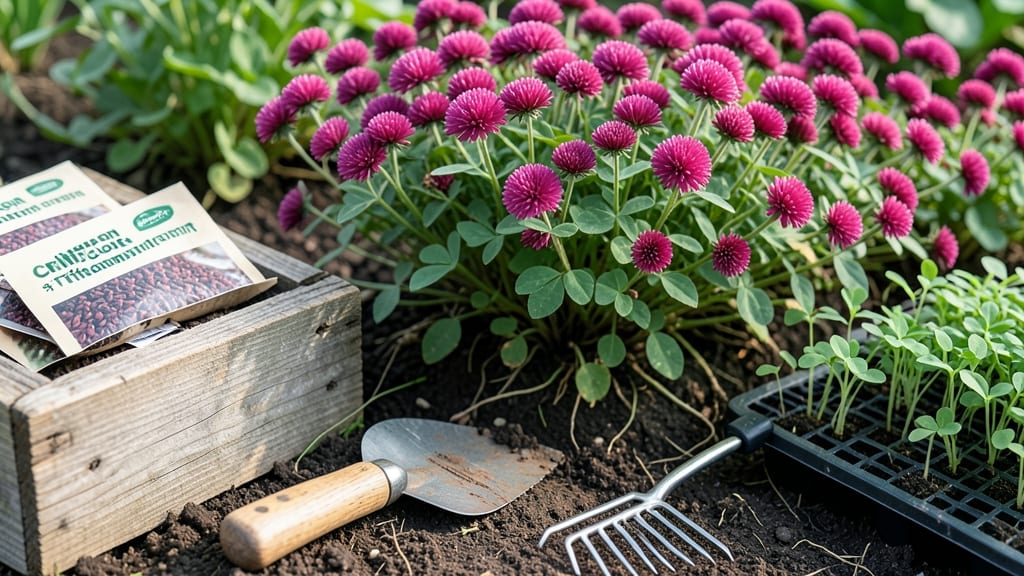
If you're wondering when to plant crimson clover in NC, timing is everything for this hardworking ground cover that boosts soil health and attracts pollinators.
The difference between weak growth and a thriving cover crop often comes down to planting it at the right moment—usually between late summer and early fall, when North Carolina's 7a-8b climate zones provide ideal conditions.
This isn't just about throwing seeds into the ground and hoping for the best. Crimson clover 🌸 needs the perfect window to establish strong roots before winter sets in, and planting too early or too late can leave you with sparse coverage.
Whether you're using it for erosion control, pollinator support, or simply enriching your soil, getting the timing right is the key to success.
In this guide, I'll break down the exact months that work best in NC, including why fall planting often outperforms spring efforts. You'll also discover how to prepare your soil and avoid common mistakes that trip up even experienced gardeners.
Let's get your crimson clover off to the strongest possible start.
Ready to transform your garden with this versatile cover crop? The right planting schedule could mean the difference between struggling plants and a lush, thriving ground cover that works year-round. Let's dive into the details so you can plant with confidence.
Best planting months for crimson clover in NC’s climate zones
North Carolina’s varied climate—from the coastal plains to the mountains—means planting times for crimson clover shift depending on your USDA zone (7a-8b). The goal is to plant when soil temps stay above 60°F but before first frost hits (mid-November in most areas).
This ensures strong root growth before winter dormancy.
For Zone 7a (higher elevations like the Blue Ridge Mountains), aim for late August to early September to avoid early frosts. In Zone 8b (coastal areas like Wilmington), you have until mid-October—but don’t wait too long, or germination slows in cooler soils.
Spring planting is also viable in March-April, but fall is often better for root development.
Here’s the key rule: Plant crimson clover 4-6 weeks before your average first frost to give seeds time to germinate and establish before winter. In NC, that’s typically September for fall or March for spring.
Timing matters because cold soils can delay germination, while planting too late risks weak growth before frost.
Regional variations matter too. Piedmont gardens (Zone 7b) can plant slightly later than the mountains, while coastal areas benefit from extended fall windows. Always check your local frost dates—NC’s can vary by 2-3 weeks between regions.
| NC Region | USDA Zone | Best Planting Window | Soil Temp Goal |
|---|---|---|---|
| Mountains (e.g., Asheville) | 7a | Late August–Early September | 60–75°F |
| Piedmont (e.g., Raleigh) | 7b | Mid-August–Mid-September | 60–75°F |
| Coastal (e.g., Wilmington) | 8b | Late August–Mid-October | 60–80°F |
| All Regions (Spring) | 7a–8b | March–Early April | 55–70°F |
Why does soil temperature matter so much? Crimson clover seeds need consistent warmth (60°F+) to germinate. If you plant in July, the heat can stress seeds, while October plantings in cooler zones may not establish before frost.
Use a soil thermometer to confirm temps—it’s the best way to avoid guesswork.
Pro tip: In NC’s humid summers, planting in late summer (after weeds peak) reduces competition. Clear existing weeds first—crimson clover struggles to outcompete aggressive ground covers like kudzu or crabgrass. A quick pre-planting herbicide or hand-pulling makes all the difference.
For pollinator gardens, fall planting is ideal—it blooms earlier the next spring, giving bees a head start. If you’re using crimson clover for soil improvement, spring planting works too, but roots develop slower than in fall.
Test your soil’s pH (6.0–7.0 is best) before planting—NC’s acidic soils often need lime adjustments.
Remember: Crimson clover is a cool-season cover crop, meaning it thrives in milder temps. Avoid planting when daytime highs exceed 85°F—seeds can dry out before germinating. If you miss the fall window, don’t worry: spring planting still yields great results, just with slightly less winter-hardy growth.
Finally, consider your end goal. For winter protection, plant by October 1st in most of NC. For spring blooms, aim for March 15th to enjoy vibrant flowers by April. Both timings work—it’s all about matching your priorities to the calendar.
How to time crimson clover planting for strong fall vs. spring growth
Timing is everything when planting crimson clover in North Carolina. The difference between fall and spring planting can mean the success or failure of your cover crop. For maximum root development and winter survival, fall planting is often the best choice in NC’s USDA zones 7a-8b.
Here’s how to decide which season works best for your garden.
Fall planting (late August through September) gives crimson clover time to establish roots before winter. This means stronger growth in spring and better soil improvement. Spring planting (early March through April) works too, but requires more attention to soil temperatures and weed control.
Let’s break down the pros and cons of each approach.
Fall Planting (Aug-Sep)
- Stronger roots before winter
- Less competition from weeds
- Winter hardiness improves
- Germination may slow in cooler temps
- Requires soil prep before planting
Spring Planting (Mar-Apr)
- Faster germination in warm soil
- Easier to manage weeds early
- Good for late summer cover
- Weaker roots before winter
- More weed competition
- Less time to establish
For fall planting, aim to sow seeds when soil temperatures are between 60°F and 75°F. This usually means late August in the Piedmont and early September in the mountains. If you’re planting in coastal NC, wait until late September to avoid hurricane season delays.
When planting in spring, wait until after the last frost date (usually mid-April) and before soil temperatures exceed 80°F. Early March works in the southern regions, but wait until April in the mountains. Always test soil moisture—seeds need consistent moisture to germinate.
Whether you choose fall or spring, seed depth is critical. Plant crimson clover seeds ¼ inch deep and cover lightly with soil. Use a broadcast spreader for even coverage, especially in large areas. After planting, water gently to settle the seeds into the soil without disturbing them.
After planting, mulch lightly to retain moisture and suppress weeds. Crimson clover thrives in full sun, so choose open, sunny areas for the best results. With the right timing and care, your crimson clover will establish quickly and provide years of soil improvement.