
Plants
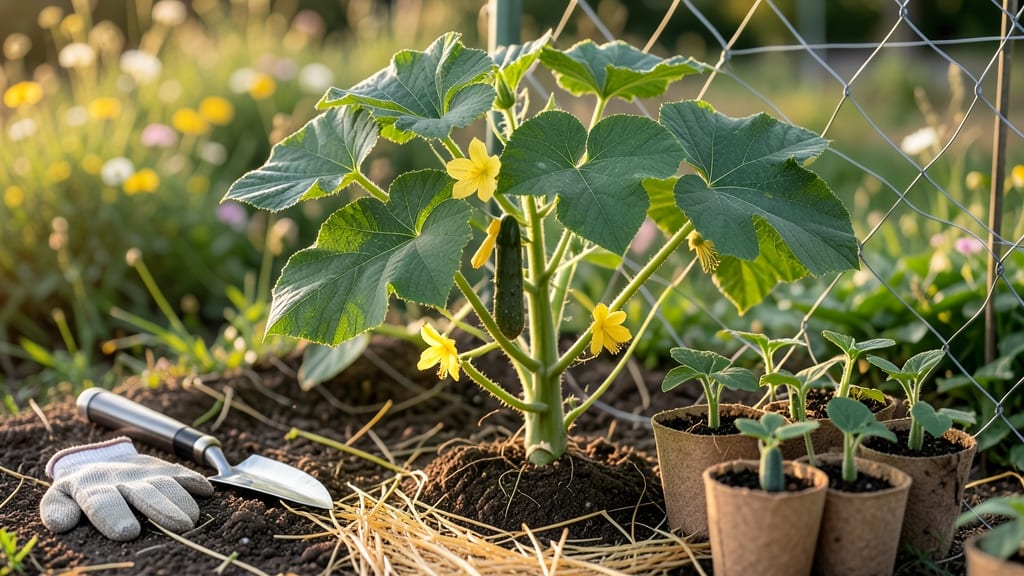
If you've ever planted cucumbers in Central Texas only to watch them bolt before producing a single fruit, you're not alone. The key to a successful harvest lies in understanding the perfect planting window—one that balances soil warmth, frost-free dates, and the region's infamous heat waves.
Central Texas gardeners know timing is everything with 🥒 cucumbers. Plant too early, and the plants rush to flower before the soil warms enough to support fruiting.
Too late, and summer's scorching temperatures stunt growth entirely. The solution? A strategic approach that aligns with your USDA Zone 8a climate and soil cues.
In this guide, I'll break down the exact windows for planting cucumbers—both in spring and fall—to maximize your chances of a thriving garden. Whether you're a seasoned gardener or just starting, these insights will help you avoid common pitfalls and enjoy fresh, homegrown cucumbers all season long.
From soil temperature checks to the best varieties for Central Texas heat, you'll discover everything you need to turn your garden into a productive oasis. Let's get started!
Central Texas heat-Zone planting calendar for cucumbers: avoiding bolting and heat stress
Central Texas gardeners face a unique challenge with cucumbers—the scorching summer heat and unpredictable spring frosts can turn a promising crop into a failed experiment if planted at the wrong time.
The key to success lies in understanding your USDA Zone 8a-9a and aligning planting with soil temperature thresholds rather than calendar dates. Unlike cooler climates, cucumbers here need warm soil (60°F+) to germinate properly and avoid bolting—when they flower prematurely without producing fruit.
Timing isn't just about avoiding frost; it's about escaping the brutal mid-summer heat that can stress plants and reduce yields. My strategy? Plant twice a year: once in early spring (just after the last frost) and again in late summer (before the heat peaks).
This two-pronged approach ensures a longer harvest window and minimizes exposure to extreme conditions. Let’s break down the exact windows and what to watch for.
🌱 Central Texas Cucumber Planting Timeline
| Season | Planting Window | Soil Temp | Key Considerations |
|---|---|---|---|
| Spring | Mid-March to early May | 60°F+ | Plant after last frost (Feb 15 avg). Use row covers for early starts. |
| Summer | Late July to early September | 70°F+ | Avoid peak August heat. Use shade cloth for seedlings. |
| Fall | Mid-August to early October | 65°F+ | Extend season with cold frames. Harvest before Nov 15 frost. |
💡 Pro Tip: Use a soil thermometer to confirm readiness—cucumbers won’t germinate below 60°F.
For spring planting, aim for mid-March if you’re using transplants or early April for direct sowing. The last average frost date in Central Texas is around February 15, but don’t rush—cold soil will delay germination.
I’ve learned the hard way that planting too early leads to stunted seedlings or bolting before they’re established. Instead, wait until soil temperatures consistently hit 60°F (usually late March to early April).
If you’re direct sowing, start seeds indoors 4-6 weeks before your target outdoor date to give them a head start. Harden them off for 7-10 days before transplanting, and choose a cloudy day to minimize transplant shock.
For transplants, purchase heat-tolerant varieties from local nurseries in early spring—they’re already acclimated to our climate. Place them 1-2 inches deeper than their container to encourage stronger root growth.
Summer planting is trickier. The peak heat in July and August can stress cucumbers, but a late July to early September window works if you take precautions.
Use black plastic mulch to warm the soil faster and retain moisture. Shade cloth (30-50%) over seedlings helps them establish before transitioning to full sun. I’ve had success with bush varieties in summer—they mature faster and handle heat better than vining types.
Don’t overlook fall planting, either. While Central Texas’s first frost typically arrives around November 15, you can extend your harvest by planting mid-August to early October. Focus on fast-maturing varieties (like ‘Straight Eight’) and use row covers to protect plants from early chills.
Harvest before temperatures drop below 50°F to avoid bitterness or poor fruit set.
One mistake I’ve seen gardeners make is planting cucumbers too close to tomatoes or peppers. These plants compete for nutrients and attract the same pests. Instead, pair them with basil, marigolds, or nasturtiums to repel pests like cucumber beetles and improve flavor.
And always rotate crops yearly to prevent soil-borne diseases from building up.
Finally, trellising is a game-changer in Central Texas. Vining cucumbers grow 6-10 feet tall, and without support, they sprawl across the garden, making them vulnerable to disease and pests.
Use strong trellises or cages to keep plants upright, improve airflow, and make harvesting easier. Plus, vertical growth keeps fruits off the hot, dry soil, reducing rot and improving quality.
With these timing strategies, you’ll avoid the common pitfalls of bolting, heat stress, and poor yields. The secret? Plant when the soil is warm, not just the air, and give your cucumbers the support they need to thrive in our unique climate. 🌿
Signs your soil and climate are ready for cucumber planting in Central Texas
Central Texas summers can be brutal on cucumbers, but the key to success lies in planting when both your soil and climate cooperate. The first sign is soil temperature—wait until it consistently hits 60°F or warmer at a depth of 2-3 inches.
Use a soil thermometer to check, especially in early spring or late summer when temperatures fluctuate wildly.
Next, monitor your local weather forecasts for at least 3 consecutive days above 55°F at night. Cucumbers are sensitive to cold snaps, even in Zone 8a, so avoid planting if frost is forecasted within 10 days.
The last frost date in Central Texas typically falls around February 15, but don’t rush—soil warms slower than air.
Planting cucumbers in cold, wet soil causes rot and poor germination. Test soil moisture by squeezing a handful—it should crumble, not stick together.
Check for humidity levels too—Central Texas summers bring dry air, which stresses cucumbers. Aim for 40-60% humidity during planting. If your area is unusually dry, use drip irrigation or mulch heavily to retain moisture.
Another clue? Native plants like prickly pear or yaupon holly should be actively growing, signaling stable conditions.
For direct sowing, look for loamy, well-draining soil with a pH between 6.0 and 6.8. Amend heavy clay soil with compost or sand to improve aeration.
If you’re transplanting seedlings, harden them off for 7-10 days before planting to avoid transplant shock—a common issue in Central Texas’s variable spring weather.
Finally, observe pest activity. If you spot aphids or squash bugs early in the season, delay planting until these pests decline. These signs confirm your garden is ready: warm soil, stable temperatures, and minimal pest pressure.
Planting at this stage ensures your cucumbers thrive instead of struggling.
With these cues in mind, you’ll avoid the #1 mistake of Central Texas gardeners—planting too early and watching their cucumbers bolt before producing fruit. Patience pays off in a bountiful harvest! 🌱