
Plants
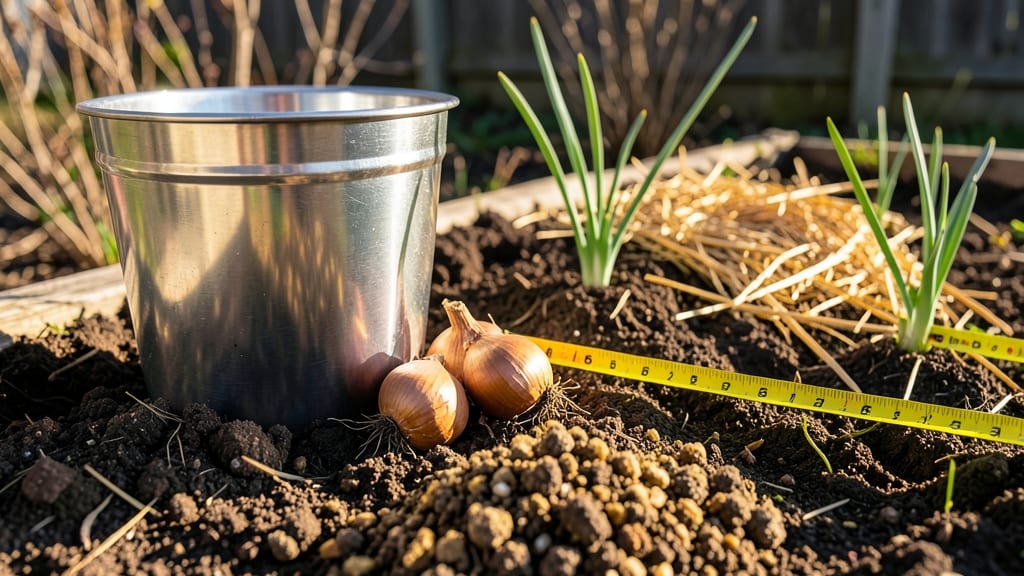
Planting daffodil bulbs at the wrong time in Northern California can mean the difference between vibrant spring blooms and a missed opportunity.
The key to success lies in understanding your local frost patterns—because unlike other regions, Northern California’s 8a-9b zones have unpredictable cold snaps that can stall growth if you plant too late.
I’ve seen gardeners in the Bay Area rush to plant in late November only to watch their bulbs freeze before rooting. The secret? Start planting 4-6 weeks before the first hard frost, typically between October and December, when soil temperatures drop but haven’t yet locked up.
Coastal areas like Santa Cruz can plant later, while inland spots near Sacramento need to act sooner.
This guide will walk you through the perfect timing for your specific microclimate, plus soil prep tricks to ensure your 🌼 daffodils thrive. Skip the guesswork and learn how to plant for zero-frost-risk blooms that’ll greet you every spring.
Whether you’re a first-time gardener or a seasoned pro, these insights will help you avoid common pitfalls—like planting too deep or in soggy soil—and set your daffodils up for a longer, brighter bloom season. Let’s get those bulbs in the ground the right way.
Northern California’s best planting months for daffodil bulbs (with frost Zone map)
Daffodils thrive in Northern California’s USDA Zones 8a-9b, but the 6-week frost-free rule is your golden ticket to success. Plant too early, and bulbs may rot in soggy winter soils; too late, and they won’t establish roots before dormancy.
The ideal window is October through December, but your exact timing depends on whether you’re in coastal San Francisco or inland Sacramento.
Coastal areas (like Zone 9b) can plant as late as mid-December thanks to milder winters, while inland valleys (like Zone 8a) should finish by early November to avoid early frosts. Use your last average frost date—typically December 15 for most of Northern California—as your cutoff.
Pro tip: Check your local microclimate—mountain foothills freeze faster than urban heat islands. For example, Napa Valley may have 2 weeks more planting time than Eureka due to temperature inversions. Always plant 4-6 weeks before the ground freezes to give roots time to anchor.
🌼
🌱 Northern California Daffodil Planting Timeline
| Zone | Best Planting Window | Last Frost Risk | Soil Temp Goal |
|---|---|---|---|
| 9b (Coastal: SF, Santa Cruz) | Mid-October – Mid-December | December 20–31 | 50–60°F |
| 8b (Bay Area, Napa) | Late September – Early December | November 15–December 10 | 45–55°F |
| 8a (Sacramento, Redding) | Mid-September – Late November | November 1–15 | 40–50°F |
| 7b (Mountain Foothills) | Late August – Mid-October | October 15–November 1 | 35–45°F |
⚠️ Note: Use a soil thermometer to confirm temps—bulbs need 50°F+ soil to root.
If you miss the ideal window, don’t panic—January is a backup month for zones 8b-9b, but bulbs may bloom later. For Zone 7b areas, prioritize September planting to avoid early frosts. Always plant bulbs 6–8 inches deep and 4–6 inches apart for optimal airflow and reduced rot risk.
For coastal gardeners, leverage the January window to plant late-blooming varieties like ‘Ice Follies’ or ‘Tête-à-Tête,’ which thrive in cooler, damp conditions. Inland growers should stick to early October for varieties like ‘Jersey Gold’ or ‘February Gold’ to ensure spring blooms align with Northern California’s March–May bloom season.
🌡️ Track your local frost dates using the National Weather Service or Almanac.com, then count backward 6 weeks to set your planting deadline. Pro move: Mark your calendar for October 15 as the sweet spot for most of Northern California.
One common mistake? Planting in September for Zone 8a areas—bulbs may sprout too early and get fried by October heatwaves. Instead, wait until soil temps drop below 70°F and moisture increases. Use a moisture meter to confirm 40–60% soil moisture before planting.
💡 Light tip: Plant daffodils in full sun (6+ hours) but avoid midday heat stress by mulching with 3 inches of straw after planting. This keeps roots cool and conserves moisture during Northern California’s dry fall.
5 Signs your Northern California soil is ready for daffodil bulbs (and 3 mistakes to avoid)
Before you dig into planting daffodil bulbs in Northern California, your soil must meet three critical conditions: the right temperature, proper moisture levels, and excellent drainage. Skipping these checks can lead to rotten bulbs or delayed blooms—especially in clay-heavy soils common in the Bay Area.
Let’s break down what to look for and what to avoid.
First, check the soil temperature. Daffodils thrive when soil is between 50°F and 60°F. Use a soil thermometer to confirm—if it’s still above 60°F in late November, wait a few weeks.
Coastal areas like San Francisco may need to plant later than inland zones like Sacramento, where cooler nights arrive sooner.
Next, assess moisture levels. The soil should be damp but not soggy—think of a wrung-out sponge. If your garden retains water like a swamp after rain, amend it with compost or sand to improve drainage.
Daffodils hate "wet feet," and Northern California’s winter rains can turn your planting site into a breeding ground for bulb rot.
Now for the drainage test: Dig a small hole, fill it with water, and time how long it takes to drain. If water lingers for more than 30 minutes, your soil needs help.
Mix in organic matter like leaf mold or perlite to create air pockets. This is especially critical in Zone 9b areas where winters are milder but soils can still compact.
⚠️ Pros & Cons: Ideal vs. Problematic Soil Conditions
- Soil Temp: 50°F–60°F
- Moisture: Damp, not soggy
- Drainage: Drains in <30 mins
- pH Level: 6.0–7.0
- Texture: Loamy or sandy
- Soil Temp: Above 60°F
- Moisture: Waterlogged
- Drainage: Takes >30 mins
- pH Level: Below 5.5 or above 7.5
- Texture: Heavy clay
Avoid these three common mistakes that Northern California gardeners make: planting too early in cold-wet zones (like the Russian River area), ignoring soil pH (daffodils prefer slightly acidic to neutral), and using fresh manure, which can burn bulbs.
Instead, opt for composted organic matter to feed your soil without risking chemical burns.
For clay-heavy soils, like those in the Central Valley, mix in coarse sand or grit to break up compaction. This mimics the well-draining conditions daffodils love. Test your soil’s pH with a kit—if it’s off, amend with lime (to raise pH) or sulfur (to lower pH) before planting.
A little prep now means vibrant blooms next spring without the guesswork.
Once your soil is prepped, mark your calendar for late October to December—the sweet spot for Northern California daffodils. With the right conditions, your bulbs will root deeply over winter and reward you with bold, early-spring color when other gardens are still bare.