
Plants
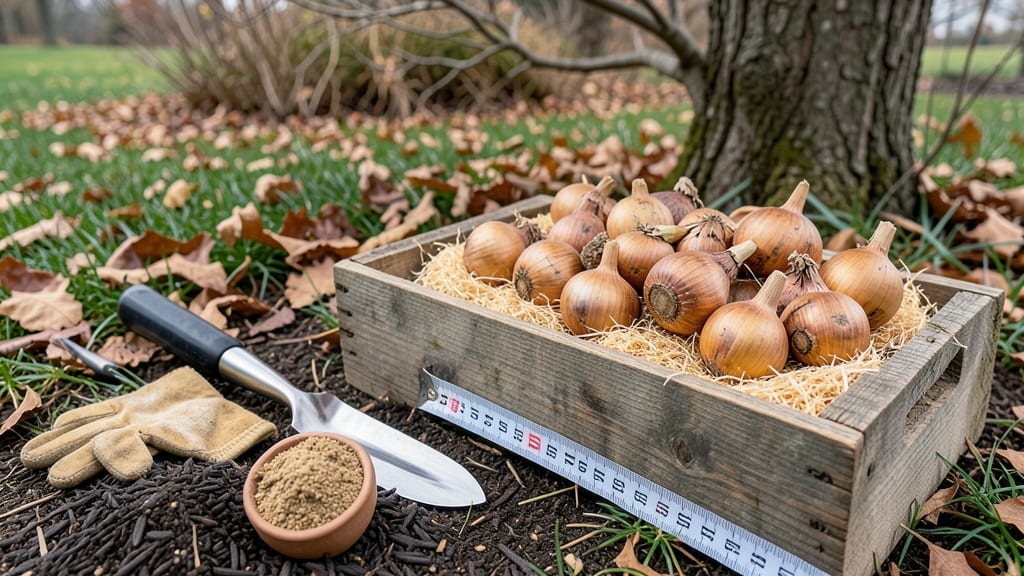
Planting daffodil bulbs at the wrong time in Arkansas can mean the difference between a vibrant spring display and wasted effort—especially with the state’s unpredictable frost patterns.
If you’ve ever wondered when to plant daffodil bulbs in Arkansas, timing is everything, and getting it right ensures those cheerful 🌼 blooms will greet you come March.
In Arkansas’s USDA Zone 7a, the ideal window stretches from October to November, giving bulbs time to root before the ground freezes. But here’s the catch: planting too early can leave them vulnerable to pests, while waiting too long risks shallow roots before winter sets in.
The key is balancing soil temperatures and frost dates, which can vary even within the state.
Let’s break down the 6-8 week rule—the golden standard for daffodil success. This means if your first frost typically hits around mid-November, aim to plant by early October. But don’t stress if your microclimate runs warmer; southern Arkansas gardeners might have a little more wiggle room into December.
I’ll show you how to read your soil’s cues, adjust for early/late frosts, and even prep your garden bed for maximum bulb happiness. Ready to turn your Arkansas yard into a daffodil paradise? Let’s dig in.
Best planting months for daffodil bulbs in Arkansas by hardiness Zone
Arkansas spans USDA Zones 6b through 8a, and each zone has its own ideal window for planting daffodil bulbs. The key is timing it 6-8 weeks before the first hard frost, which typically falls between mid-November and early December across the state.
For northern Arkansas (Zone 6b), aim for early October, while southern Arkansas (Zone 8a) can wait until late November.
Daffodils thrive when planted in cool soil temperatures (50-60°F). In Arkansas, this usually aligns with fall temperatures dropping consistently below 70°F. The earlier you plant in northern regions, the more time bulbs have to root before winter sets in.
Conversely, southern Arkansas’s milder winters allow for a later planting window.
Here’s a quick reference for Arkansas gardeners: Zone 6b (north)—plant in early to mid-October; Zone 7a (central)—plant in late October to early November; Zone 8a (south)—plant in November.
Missing this window risks bulbs rotting if planted too late or failing to establish roots if planted too early.
| Zone | Ideal Planting Month | Soil Temp | Key Cue |
|---|---|---|---|
| 6b (Northern AR) | Early to mid-October | 50-60°F | First frost risk after Nov 15 |
| 7a (Central AR) | Late October to early November | 50-60°F | Daytime temps below 70°F |
| 8a (Southern AR) | November | 55-65°F | Mild winters, later frost |
For gardeners in Zone 7a (the state’s most common zone), late October is the sweet spot. By this time, summer’s heat has faded, and the ground is cool enough for bulbs to start rooting.
Look for daytime highs consistently below 75°F as your signal to begin planting. This timing ensures bulbs establish roots before the ground freezes, which is critical for spring blooms.
If you’re unsure about your exact zone, use the USDA Plant Hardiness Zone Map or check with your local Arkansas Cooperative Extension Service. They can provide hyper-local frost dates based on recent weather patterns.
For example, areas near the Ozark Mountains may experience earlier frosts than the Delta region, so adjust accordingly.
One common mistake is planting too early in Arkansas’s humid climate. Early September plantings risk rot from excess moisture before the ground cools. Conversely, waiting until December leaves bulbs vulnerable to winter freezes before they root. Aim for that 6-8 week buffer to balance root growth and frost protection.
Pro tip: Plant daffodils after your lawn stops growing for the season. This natural cue aligns with soil cooling and is a foolproof way to time your planting without relying on a calendar. In Arkansas, this usually happens in late September to early October.
Once you’ve nailed the timing, focus on soil preparation. Daffodils prefer well-draining soil with a pH between 6.0 and 7.0. Arkansas’s clay-heavy soils often need amending with compost or sand to improve drainage. Test your soil in early fall to make adjustments before planting.
Finally, remember that daffodils naturalize over time, meaning they’ll multiply and return year after year if planted correctly. By choosing the right month for your zone, you’re setting the stage for decades of low-maintenance spring color with minimal effort.
Best planting months for daffodil bulbs in Arkansas by hardiness Zone
Arkansas spans USDA Zones 6b-8a, which means your daffodil planting window varies slightly depending on where you live. In northern Arkansas (Zone 6b), aim for mid-October to early November—this gives bulbs time to root before winter.
Meanwhile, southern Arkansas (Zone 8a) gardeners have a bit more flexibility, with late October to December being ideal.
For all zones, the key is planting 6-8 weeks before the ground freezes. In Arkansas, this typically means soil temperatures should be below 60°F (15°C) but not yet frozen. Use a soil thermometer to check—this ensures bulbs establish roots without rotting in cold, wet soil.
Here’s a quick guide to Arkansas’s frost-free periods: Northern areas (like Fayetteville) average 180 frost-free days, while southern areas (like Little Rock) stretch to 220 days. Planting too early risks premature sprouting in warm soil, while waiting too long may leave bulbs vulnerable to frost.
If you’re unsure about your exact zone, check the Arkansas Climate Office or use the USDA Plant Hardiness Map. For container gardening, you can plant slightly later (up to December in Zone 8a) since pots warm up faster in spring.
Just ensure containers have drainage holes to prevent rot.
Remember, daffodil bulbs thrive in well-draining soil. Arkansas’s clay-heavy soils often need amendment with compost or sand to improve drainage. Test your soil’s moisture retention—if it stays soggy after rain, mix in perlite or coarse sand before planting.
Once planted, mulch with straw or shredded leaves (2-3 inches thick) to insulate bulbs from temperature swings. This is especially critical in Zone 6b, where winters can be harsh. Mulch also suppresses weeds, giving your daffodils a head start in spring.
For a guaranteed bloom, pair your planting with a light fertilizer application in early spring (when foliage emerges). This feeds the bulbs as they prepare to push up through the soil—think of it as their spring wake-up call.