
Plants
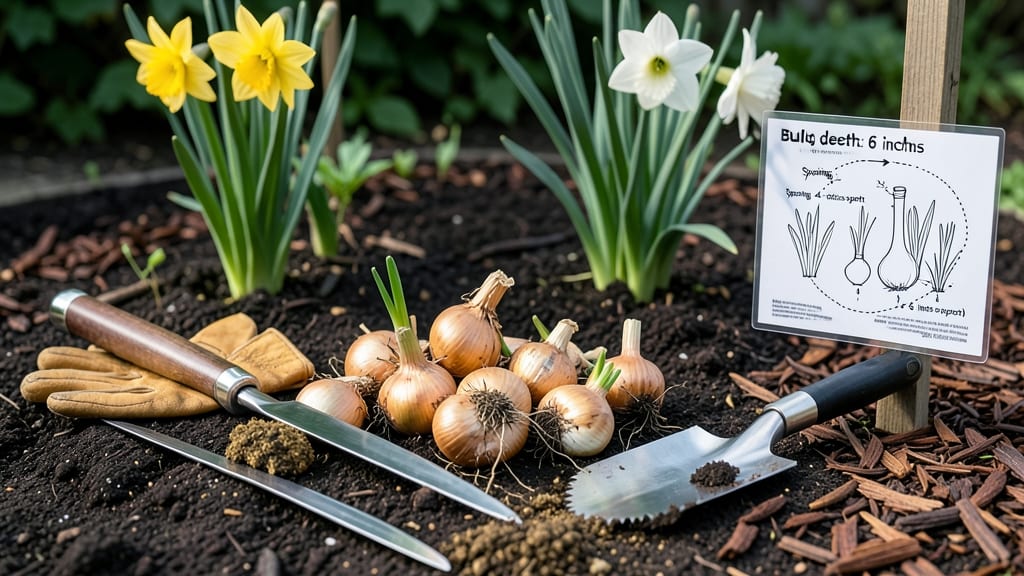
Planting daffodils in Portland, Oregon, isn’t just about timing—it’s about outsmarting the city’s tricky frost dates and rainy winters to guarantee those cheerful 🌼 blooms next spring. With USDA Zone 8b’s mild but unpredictable climate, getting the timing right means the difference between vibrant spring displays and wasted bulbs.
Most gardeners in Portland swear by planting daffodils between October and November, a window that balances soil cooling and frost protection. But here’s the catch: if you plant too early, your bulbs might rot in the damp soil, while waiting too long risks stunted growth before winter sets in.
I’ll break down the exact steps to nail this timing—plus how to adjust for Portland’s microclimates, from urban heat pockets to cooler hillsides.
What you’ll discover is that the secret isn’t just when you plant—it’s how you prepare the soil, choose the right varieties, and protect your bulbs from the Pacific Northwest’s quirks.
Whether you’re a first-time gardener or a seasoned pro, these insights will help you avoid common mistakes and create a daffodil showstopper that lasts for years.
Ready to turn your fall gardening into a springtime victory? Let’s dive into the exact months, soil tricks, and companion plants that’ll make your Portland garden the envy of the neighborhood.
Portland’s exact planting window for daffodils: months and frost zones explained
Portland’s USDA Zone 8b climate gives you a 6-week window for planting daffodils—typically from mid-October to mid-November. This timing ensures bulbs establish roots before winter dormancy but avoid the risk of frost heave or rotting in soggy soil.
The key is planting when soil temperatures drop to 40–50°F, signaling the perfect balance for root growth.
In Portland, the average last frost occurs around October 15, but microclimates can shift this by 1–2 weeks. For example, areas near the Willamette River or Columbia River Gorge may experience frost earlier, while urban heat islands in Downtown Portland can delay frost by up to 10 days.
Always check your local frost date forecast for precision.
If you miss the ideal window, you can still plant daffodils in early December, but expect smaller blooms the following spring. The bulbs may not have enough time to establish deep roots before winter, making them more vulnerable to frost damage and disease in Portland’s damp climate.
🌼 Soil temperature is your best guide—use a soil thermometer to confirm readings between 40–50°F before planting. Cool, moist soil in Portland’s fall often hits this range by late October, but early frosts can push it earlier. Aim to plant 4–6 weeks before the first frost for the best results.
For container planting, the window is slightly narrower—focus on October only. Pots heat up faster and dry out quicker, so bulbs planted in November may struggle to root before winter sets in. Use well-draining containers with a minimum depth of 8 inches to accommodate bulb growth.
📋 Portland Daffodil Planting Timeline
| Stage | Action | Notes |
|---|---|---|
| Soil Prep | Test soil pH (6.5–7.0) | Amend with compost if needed |
| Planting Window | Mid-October to mid-November | Avoid planting after Nov 15 |
| Bulb Depth | 6–8 inches deep | Use 3x bulb diameter rule |
| Spacing | 3–6 inches apart | Closer for borders, wider for lawns |
| Mulching | 2–3 inches of mulch | Use straw or shredded leaves |
| Watering | Deep water after planting | Keep soil moist but not soggy |
Portland’s rainy fall can complicate planting, but the consistent moisture actually benefits daffodil bulbs. Unlike drought-prone regions, you don’t need to water frequently after planting—just ensure the soil doesn’t become waterlogged.
If your garden sits in a low spot where water pools, consider raised beds or mounding soil to improve drainage.
For extended blooming, stagger your planting by 2–3 weeks. Plant a portion of your bulbs in late October and the rest in early November.
This technique ensures some daffodils bloom in early spring (March) while others follow in late spring (April–May), creating a prolonged display that brightens Portland’s often gloomy skies.
If you’re new to daffodil planting, start with small batches to test your timing. Use dwarf varieties like ‘Tête-à-Tête’ for containers or borders—they’re forgiving and thrive even if planted slightly late. Once you’ve mastered the timing, expand to taller varieties like ‘Thalia’ for dramatic spring statements.
Remember, daffodils are perennials, so proper fall planting pays off for years to come. With Portland’s mild winters, your bulbs may even bloom in their second year if conditions are ideal. Just avoid disturbing them after planting—minimal digging is key to long-term success.
Portland’s exact planting window for daffodils: months and frost zones explained
Portland’s USDA Zone 8b climate gives you a narrow but critical window to plant daffodils—typically between mid-October and mid-November. This timing ensures bulbs establish roots before winter dormancy, while avoiding the first frost (usually around November 15).
Planting too early risks rotting, while late planting may delay or reduce blooms next spring.
For zero-frost success, aim to plant when soil temperatures drop to 40–50°F—typically late October in most Portland neighborhoods. Check local frost dates annually, as urban areas like Hillsdale or Alberta Arts may experience microclimates with earlier frosts than downtown.
Key rule: Plant daffodils 4–6 weeks before your area’s first frost date. In Portland, this usually means October 1–November 15, but adjust based on your microclimate. For example, higher elevations (like Mount Tabor) may need earlier planting.
🌱 Portland Daffodil Planting Timeline
| Stage | Action | Notes |
|---|---|---|
| Soil Prep | Test pH (6.0–7.0) | Amend with compost if needed |
| Planting Window | October 1–November 15 | Avoid waterlogged soil |
| Bulb Depth | 6–8 inches deep | Twice the bulb’s height |
| Spacing | 4–6 inches apart | Prevents overcrowding |
| First Frost | November 15 (avg.) | Adjust for microclimates |
If you miss the ideal window, you can still plant in early December, but expect smaller blooms or delayed flowering. For extended color, stagger planting by 2–3 weeks—plant early varieties (like ‘Tête-à-Tête’) in October and later bloomers (like ‘Thalia’) in November.
Pro tip: Use a soil thermometer to confirm temperatures are below 60°F before planting. This helps avoid premature sprouting, which weakens bulbs. In warmer microclimates (e.g., near the Willamette River), wait until late October to plant.
Finally, mulch with 3–4 inches of straw or shredded leaves after planting to insulate bulbs from frost heave and retain moisture. This is especially critical in Portland’s wet winters, where heavy rains can displace newly planted bulbs.