
Plants
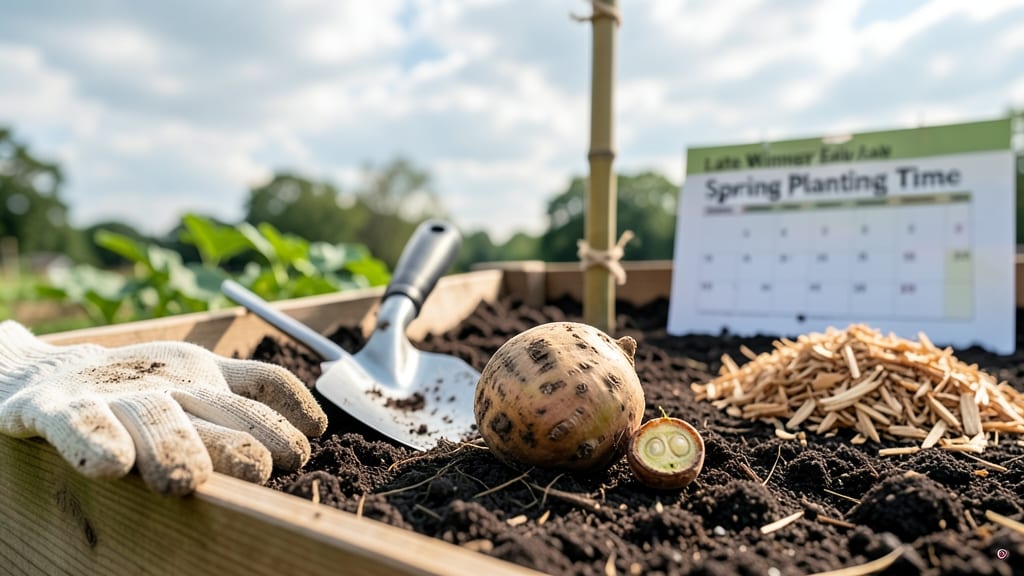
Knowing when to plant dahlias in California isn’t just about picking a month—it’s about mastering the state’s wild climate swings from coastal chill to desert heat. One wrong move, and your 🌸 dahlias might bolt before they even bloom, leaving you with wilted dreams instead of vibrant flowers.
Here’s the secret: timing your dahlias depends on where you live. Coastal gardeners in USDA Zone 10 can start as early as February, while inland valleys in Zone 9 should wait until March or April.
Even desert regions have their own sweet spot—January to March—to avoid scorching young tubers before the soil warms up.
But it’s not just about dates—soil temperature matters too. Dahlias need 60°F+ soil to thrive, and waiting for that perfect window means fewer surprises.
I’ll show you exactly how to prep your soil, when to plant tubers vs. seeds, and how to keep your dahlias blooming all summer long—no frost, no stress.
Ready to turn your garden into a 🌸 explosion of color? Let’s dive into the exact steps to plant your dahlias at the perfect moment, so you’re not left scrambling when the heat (or the rain) hits.
California heat-Zone planting calendar: best months by region for dahlias
California’s microclimates mean dahlias thrive in different planting windows depending on whether you’re in coastal fog, inland valleys, or desert heat. The key is planting after the last frost date and before summer’s scorching peak.
Let’s break it down by region so your dahlias get a head start without heat stress.
For Southern California (USDA Zones 9-11), where winters are mild and summers are long, January through March is prime time. The desert regions (like Palm Springs) can even start in December if you’re using heat-tolerant varieties.
Meanwhile, coastal areas (San Francisco, Santa Barbara) can plant as late as April thanks to cooler ocean breezes.
In Central Coast regions (Zones 8-10), think February to April. Areas like Santa Cruz and Monterey have cooler nights that delay planting slightly, while San Luis Obispo leans toward March for best results. The last frost date here is usually February 15, so wait until after that.
Up north in Northern California (Zones 7-9), including Sacramento and Redding, aim for March to early May. These areas have later frost dates (often March 1) and hotter summers, so planting too early risks tuber rot in cold, damp soil.
| Region | USDA Zone | Best Planting Window | Last Frost Date | Heat Tip |
|---|---|---|---|---|
| Southern CA (Desert) | 9b-11 | December - March | January 15 | Use shade cloth in June |
| Southern CA (Coastal) | 10-11 | February - April | February 1 | Mulch heavily in summer |
| Central Coast | 8-10 | February - April | February 15 | Water deeply at night |
| Northern CA (Sacramento) | 9 | March - May | March 1 | Choose dwarf varieties |
If you’re planting dahlia tubers (the most common method), wait until the soil temperature hits 60°F—use a soil thermometer to check. For cooler regions, start tubers indoors in February and transplant after last frost.
Pro tip: Chit your tubers (place them in bright light to sprout eyes) 4-6 weeks before planting for a 2-week head start.
For seeds, sow indoors 8-10 weeks before your last frost date. Coastal gardeners can direct-sow in March, while inland areas should wait until April. Seedlings are less heat-tolerant than tubers, so give them extra shade if planting late.
Remember, dahlias are tender perennials—they’ll die back in frost, so plan to dig up tubers before first frost (usually November in most regions). Store them in dry peat moss over winter to replant next spring.
With the right timing, your dahlias will reward you with months of vibrant blooms from summer to fall.
🌸 For maximum blooms
Signs your California soil is ready for dahlias (and how to fix common mistakes)
Before you even plant your dahlia tubers, your California soil needs to meet three critical conditions: the right temperature, proper drainage, and adequate organic matter.
Skipping these checks often leads to stunted growth or even tuber rot—especially in our heat-prone regions like the Central Valley or desert areas.
Start by testing your soil temperature with a simple soil thermometer. Dahlias thrive when soil reaches 60°F or warmer, which typically happens in March for coastal areas and as early as February in desert zones.
If your soil is still chilly, wait or use black plastic mulch to warm it faster.
Next, check drainage by digging a 6-inch hole and filling it with water. If it drains in under an hour, your soil is ideal. If water pools, amend with sand or perlite to improve aeration.
Poor drainage is a silent killer for dahlias, causing root rot in California’s humid coastal regions.
For organic matter, aim for at least 2-3 inches of compost mixed into the top 6 inches of soil. California’s native soils often lack nutrients, so add a balanced fertilizer (10-10-10) at planting time.
If your soil smells sour or looks grayish, it’s too acidic—lime it to reach a pH of 6.5-7.0, perfect for dahlias.
Mulch is your best friend in California’s drought-prone summers. Apply 2-3 inches of straw or wood chips after planting to retain moisture and regulate soil temperature. In desert areas, mulch also prevents tubers from baking in 110°F+ soil. Replenish mulch every few months to maintain its effectiveness.
Finally, watch for pests and diseases lurking in your soil. California’s mild winters mean nematodes and fungal spores often survive. Soak tubers in a neem oil solution before planting, and rotate your dahlia location yearly to break disease cycles.
With these checks complete, your soil will be primed for vibrant, heat-resistant dahlias that bloom from summer through fall—no wilted dreams here! 🌸