
Plants
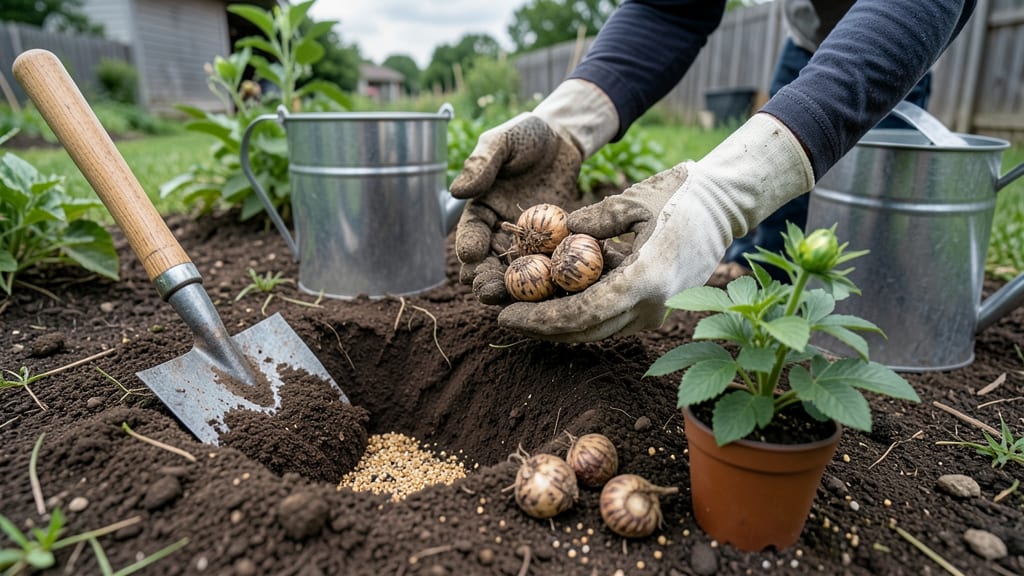
Planting dahlias in Kentucky at the wrong time can mean the difference between a garden bursting with 🌸 vibrant blooms and wasted tubers rotting in the soil.
The key window—mid-April to mid-May—aligns perfectly with Kentucky’s 6a-7b hardiness zones, but even a few weeks off can spell disaster for your tubers.
Why does timing matter so much? Because Kentucky’s unpredictable spring weather—with late frosts lingering until April—can turn your carefully planted dahlias into a sad, soggy mess. If you plant too early, frost will kill emerging shoots; too late, and your plants might struggle to establish roots before summer heat arrives.
In this guide, I’ll walk you through the exact frost-free timeline for Kentucky, including how to prep your tubers for success and avoid common mistakes that even experienced gardeners make. By the end, you’ll know exactly when to plant for zero-risk blooms that’ll steal the show from July to October.
Ready to turn your garden into a dahlia paradise? Let’s get those tubers in the ground at the perfect moment—no guesswork, just stunning results.
Kentucky’s frost-free timeline for planting dahlias: exact dates & hardiness zones
Kentucky’s USDA hardiness zones 6a-7b create a 100-day growing window for dahlias, but timing is critical. The last spring frost typically arrives between mid-April and early May, while the first fall frost hits around mid-October.
Planting too early risks frost damage, while waiting too late shortens your bloom season.
For zero-risk planting, aim for 2-4 weeks after your area’s last frost date. This ensures soil temperatures reach the ideal 60°F needed for tuber growth.
In northern Kentucky (zone 6a), this might mean waiting until late April, while southern regions (zone 7b) can plant as early as early April.
Use the USDA Plant Hardiness Zone Map to pinpoint your exact location. Kentucky’s microclimates—like river valleys or mountain slopes—can shift frost dates by 1-2 weeks. Check local weather records for the past 5 years to identify patterns in your specific area.
Kentucky’s clay-heavy soils can delay warming, so use a soil thermometer to confirm readiness. If temperatures stay below 50°F (10°C), tubers won’t sprout. For a head start, begin chitting (pre-sprouting) tubers indoors 6-8 weeks before your target planting date.
Extend your planting window by 2-3 weeks using row covers or cold frames. These protect young shoots from late frosts, which are common in Kentucky’s unpredictable spring weather. Monitor local forecasts for frost warnings and cover plants if temperatures dip below 32°F (0°C).
Once planted, dahlias need consistent moisture to establish roots. Water deeply 2-3 times per week until foliage appears. Mulch with 2-3 inches of straw to retain moisture and regulate soil temperature—a critical step for Kentucky’s hot summers and cool nights.
In northern Kentucky, where frosts linger longer, consider starting tubers in biodegradable pots indoors. Transplant these potted tubers directly into the garden after the last frost, minimizing root disturbance. This method adds 3-4 weeks to your planting flexibility.
For maximum blooms, pair dahlias with companion plants like marigolds or nasturtiums. These deter pests and thrive in Kentucky’s humid climate. Stake or cage tall varieties early to prevent wind damage from spring storms, which are common in the region.
Remember: Dahlias are tender perennials—they won’t survive Kentucky’s winters outdoors. Dig up tubers before the first frost in October, store them in cool, dry conditions, and replant next spring for another stunning season.
Preparing dahlias for Kentucky’s unpredictable spring weather: step-by-step hardening process
Kentucky’s spring weather can be as unpredictable as a hummingbird’s flight pattern—one day warm and sunny, the next a surprise frost. To give your dahlia tubers the best shot at survival, you’ll need to harden them off before planting.
This process mimics outdoor conditions, helping tubers adjust to temperature swings and avoid shock when they hit the garden.
Start indoor chitting 4–6 weeks before your target planting date (around mid-March for most of Kentucky). Place tubers in a tray with the eyes facing upward, cover them with moist peat moss, and keep them in a warm, bright spot (60–65°F).
Within 2–3 weeks, you’ll see sprouts emerging—this signals they’re ready for the next step.
🌱 Step-by-Step Hardening Process
- Place chitted tubers in paper pots filled with potting mix (keep eyes above soil).
- Set pots in a sunny indoor window or under grow lights for 6–8 hours daily.
- Water lightly to keep soil moist but not soggy.
- Move pots to a shaded outdoor spot (like a porch) for 2–3 hours daily.
- Gradually increase exposure by 1 hour per day, avoiding direct sun.
- Watch for wilting or yellowing leaves—this means they’re not ready yet.
- Transition tubers to morning sun only (avoid afternoon heat).
- Hardened tubers should show new growth and deep green leaves.
- If night temps drop below 50°F, bring pots indoors overnight.
- Tubers are now hardened off and can handle Kentucky’s spring fluctuations.
- Plant in well-draining soil after last frost date (mid-April for most areas).
- Use mulch to protect roots from late frosts or temperature swings.
Pro tip: If a late frost threatens after planting, cover young dahlia shoots with a lightweight row cover or old bedsheet. Remove it as soon as temps rise to 55°F to avoid overheating.
This extra layer of protection can extend your planting window by 2–3 weeks, giving you more flexibility with Kentucky’s fickle spring.
Once your tubers are hardened, they’ll bolt into growth the moment they hit the garden. Just imagine those vibrant blooms taking center stage in your Kentucky garden—all thanks to a little patience and prep work now. 🌸