
Plants
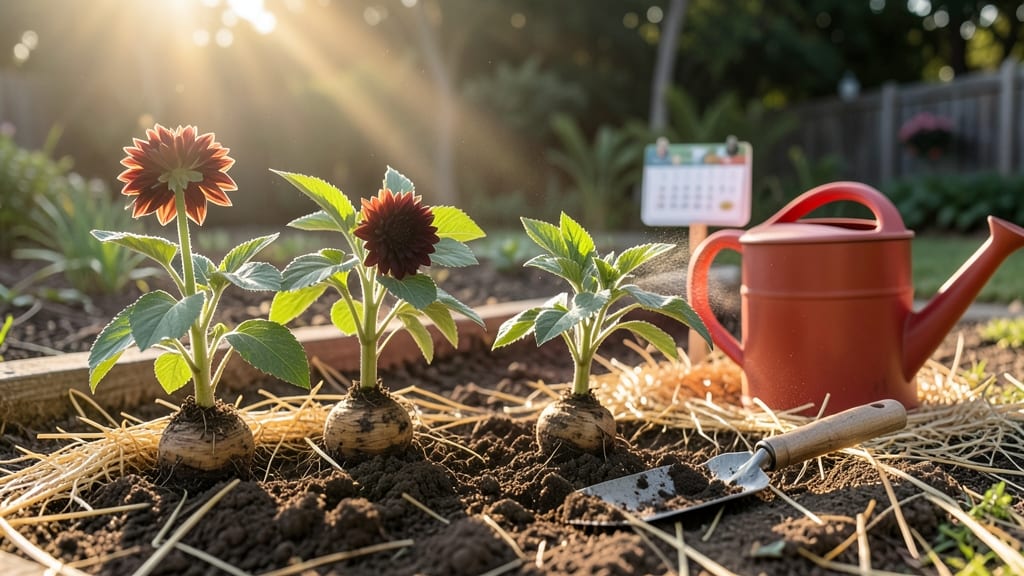
Timing your dahlia planting in South Africa right means the difference between a garden bursting with 🌸 blooms and one that struggles to take off. Since South Africa’s climate varies dramatically—from frost-free coastal zones to cooler inland areas—getting the window wrong can leave your tubers vulnerable or your flowers stunted.
Most gardeners in USDA zones 10a-10b (coastal) and 9a-9b (inland) plant dahlias between September and November, when soil warms and frost risk fades. But here’s the catch: coastal Cape Town and Durban can start earlier, while the Highveld might need to wait until late October to avoid unexpected chills.
In this guide, I’ll break down the exact months to plant based on your region, plus pro tips for prepping tubers and soil so your dahlias grow strong from day one.
Whether you’re a seasoned gardener or a first-timer, these steps will help you avoid common pitfalls and enjoy months of vibrant blooms.
Ready to transform your garden? Let’s dive into the best planting schedule for your specific climate zone—and how to give your dahlias the perfect start.
South Africa’s best dahlias planting months by frost-free region
South Africa’s diverse climate means dahlias thrive in different regions—from frost-free coastal areas to cooler inland zones. The key is planting after the last frost risk, typically between September and November, but timing varies by region.
Coastal areas like Cape Town can plant as early as August, while higher-altitude regions like Johannesburg should wait until October. Understanding your frost-free dates ensures tubers sprout successfully and avoids stunted growth.
Most of South Africa enjoys year-round growing seasons, but frost risk in winter-rainfall regions (like the Western Cape) and high-altitude areas (like the Drakensberg) demands caution. Dahlias are tender perennials, meaning they can’t tolerate frost—so knowing your USDA zone (9a-10b) is critical.
For example, Durban’s subtropical climate allows planting from August to December, while Pretoria’s cooler winters limit planting to September-October.
Soil temperature is another critical factor. Dahlias need soil temps above 10°C (50°F) to sprout. In inland regions, this usually aligns with spring (September-October), while coastal areas may reach this earlier.
Test your soil with a thermometer or wait until you see sprouts emerging from stored tubers—a sure sign it’s time to plant. Pro tip: Pre-warm tubers by placing them in a cool, dark spot (10-15°C) for 2-3 weeks before planting to kickstart growth.
Here’s how South Africa’s regions compare for dahlia planting:
| Region | Frost Risk | Best Planting Months | Soil Temp Goal | Notes |
|---|---|---|---|---|
| Cape Town & Coastal | Low (rare frost) | August–November | 10–15°C (50–59°F) | Early planting possible; watch for heat stress in summer. |
| Durban & KwaZulu-Natal | Minimal | August–December | 12–18°C (54–64°F) | Longer growing season; dwarf varieties thrive in containers. |
| Johannesburg & Highlands | Moderate (light frost) | September–October | 12–16°C (54–61°F) | Plant after last frost date (usually late August). Use mulch to protect roots. |
| Western Cape (Inland) | High (frost likely) | October–November | 15–20°C (59–68°F) | Wait for soil to warm—frost can kill tubers. Cover plants in winter. |
If you’re unsure about your last frost date, check local weather reports or ask at your nursery. A general rule: Dahlias should go into the ground 2-3 weeks after frost risk ends to allow soil to warm.
For container gardening, you can plant slightly earlier since pots warm faster, but ensure they’re in a sheltered spot if frosts are possible.
Once planted, dahlias need full sun (6+ hours daily) and well-draining soil to prevent rot. In water-restricted areas, mulch heavily to retain moisture—South Africa’s summers can be intensely dry.
Start with smaller varieties like ‘Café au Lait’ or ‘Bishop’ if you’re testing the waters, as they’re more forgiving for beginners. These compact dahlias also work well in urban gardens with limited space.
Pro tip: Mark your calendar for late winter (August-September) to start chitting tubers—placing them in a tray with just the top exposed to light encourages early sprouts. This head start gives you a 2-3 week advantage over planting bare tubers.
Just ensure your chitting area stays cool (10–15°C) and humid to avoid rot. Once sprouts are 2–3 inches tall, they’re ready for planting.
For regions with winter rain, like the Western Cape, prioritize drainage to avoid waterlogged soil. Amend heavy clay with compost or sand to improve aeration. In summer-rainfall areas (e.g., KwaZulu-Natal), focus on shade cloth during peak sun to prevent heat stress on young plants.
Both strategies help dahlias establish strong roots before the main growing season.
Remember: Dahlias are not frost-hardy, so if you’re in a high-altitude area, consider overwintering tubers in a cool, dry place (like a garage) and replanting each spring. This method works well for tender varieties that struggle with cold snaps.
With the right timing and care, your dahlias will reward you with vibrant blooms from spring to autumn—perfect for cutting gardens or borders.
South Africa’s best dahlias planting months by frost-free region
South Africa’s diverse climate means dahlias thrive in different regions at different times. Coastal areas like Cape Town and Durban enjoy mild winters with minimal frost risk, while inland cities like Johannesburg experience colder nights.
The key is planting after your last frost date, typically between September and November, when soil temperatures reach 15°C (59°F).
In summer-rainfall regions (e.g., Western Cape), aim for late August to early September—just as winter rains taper off. For winter-rainfall areas (e.g., KwaZulu-Natal), September to October is ideal, aligning with spring’s warming trends.
Tubers planted too early may rot in cold, wet soil, while late planting risks stunted growth before winter’s first chill.
🌸
| Region | Climate Type | Best Planting Window | Soil Temp Requirement | Frost Risk |
|---|---|---|---|---|
| Coastal (Cape Town, Durban) | Mediterranean | Late August–Early October | 15–18°C (59–64°F) | Low (occasional light frost) |
| Inland (Johannesburg, Pretoria) | Temperate | September–Early November | 18–20°C (64–68°F) | Moderate (frost possible in winter) |
| Highveld (Lesotho borders) | Cold temperate | October–Mid-November | 20–22°C (68–72°F) | High (frost likely) |
| KwaZulu-Natal (Pietermaritzburg) | Subtropical | September–October | 16–19°C (61–66°F) | Low (rare frost) |
For coastal gardens, September is perfect—soil warms quickly, and summer rains provide moisture. In Johannesburg, wait until mid-October to avoid late spring frosts, which can blacken tender shoots. Use a soil thermometer to confirm readiness; tubers need warmth to sprout.
Pro tip: In frost-prone areas, plant tubers in containers and move them indoors during winter. This extends your growing season and protects delicate roots from freezing temperatures. Mulch heavily with straw or wood chips to insulate soil and retain heat.
🌿
If you’re unsure about your local frost dates, check the SA Weather Service or ask at your nearest nursery. They’ll know the microclimate nuances of your area—like how Durban’s humidity speeds up tuber sprouting compared to Johannesburg’s drier air.
Planting at the right time ensures vibrant blooms from spring to autumn.