
Plants
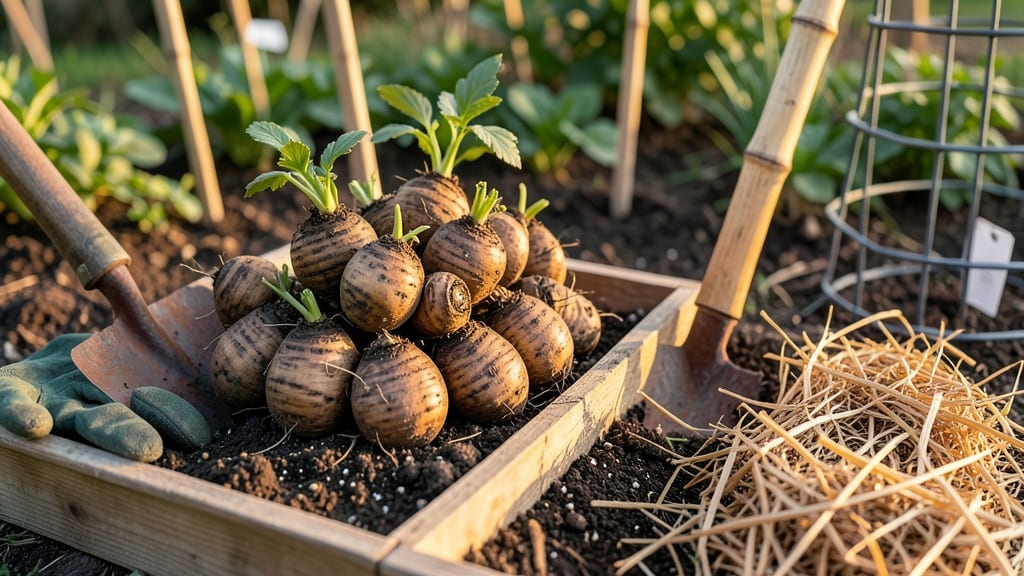
When to plant dahlias in Zone 6b isn’t just about waiting for the calendar to say "May"—it’s about catching that sweet spot when soil temperatures hit 60°F and frost danger fades. Get it wrong, and your 🌼 dahlias might bolt, rot, or never even sprout. But nail it, and you’ll unlock fast root growth and blooms that steal the show all summer.
Most Zone 6b gardeners mark their calendars for mid-to-late May, but that’s just the starting line. The real magic happens when your soil warms up—because cold soil slows tubers down, leaving them vulnerable to late frosts.
I’ll show you how to test soil temperature (yes, it’s easier than you think) and adjust your planting timeline for maximum speed and minimum stress on your tubers.
Here’s the kicker: planting too early means risking frost damage, while waiting too long can stunt early growth. We’ll break down the 3 key signs your soil is ready (no thermometer needed) and how to prep your tubers for a head-start.
Plus, I’ll share my go-to trick for hardening off dahlias in Zone 6b’s unpredictable spring—because even the best-laid plans can go sideways with a surprise frost.
Ready to turn your garden into a dahlia paradise? Let’s dive into the exact steps to time your planting for fast, healthy growth—so you’re not left with wilted stems and empty flower beds. Your summer blooms are waiting.

Zone 6b dahlia planting timeline: soil temperature rules for success
Dahlias in Zone 6b demand precision timing—plant too early, and frost will kill tender tubers; too late, and you’ll miss peak blooming season. The magic window opens when soil temperatures hit 60°F, not just after the last frost.
In Zone 6b, this typically lands in mid-to-late May, but your exact date depends on microclimates and soil warmth.
Why soil temperature matters: Dahlias need warmth to activate root growth. Below 55°F, tubers stay dormant; above 65°F, they risk rotting if planted prematurely. Use a soil thermometer ($10 at garden centers) to confirm readiness—this is far more reliable than guessing by calendar dates.
Here’s my foolproof method: Start monitoring soil temps in early April. When nighttime lows consistently stay above 40°F and daytime highs reach 60°F, it’s time to prep your tubers.
In Zone 6b, this usually aligns with Mother’s Day weekend, but always verify with your local USDA frost map.
Pro tip: If you’re eager to plant earlier, consider container gardening. Pots warm up faster than ground soil, giving you a 2-3 week head start on blooms. Just ensure containers have drainage holes to prevent waterlogged roots.
| Stage | Action | Zone 6b Timeline |
|---|---|---|
| Soil Prep | Amend with compost; ensure drainage | Early April |
| Chitting Tubers | Place tubers in bright, cool spot (60°F) | Mid-April |
| Hardening Off | Expose tubers to outdoor temps for 1 week | Late April |
| Planting | Soil at 60°F; 4-6" deep, 12-18" apart | Mid-to-late May |
| First Blooms | Expect buds in 8-10 weeks; full blooms by July | July-August |
Zone 6b gardeners often face late spring frosts—even after the official last frost date. To protect your dahlias, I recommend using frost blankets or row covers for the first 2 weeks post-planting. These lightweight covers (available at garden centers for ~$15) trap heat without smothering plants.
Another critical factor: daylength. Dahlias need 12+ hours of daylight to trigger blooming. In Zone 6b, this happens naturally by late May, but if you’re planting early varieties, supplement with a grow light for 2-3 hours in the evening to jumpstart flowering.
For those in northern Zone 6b (e.g., near the Canadian border), push planting to late May to avoid frost. Southern Zone 6b (e.g., Virginia, Kentucky) can plant as early as early May. Always check your local cooperative extension service for hyper-local advice.
Remember: Dahlias are short-lived perennials in Zone 6b—they’ll die back to the ground in winter. But with the right timing, you’ll enjoy 3-4 months of continuous blooms from July through October. The key is patience: Rushing the process risks stunted growth or worse, lost tubers.
Once planted, focus on consistent moisture and staking taller varieties. Mulch with straw or shredded leaves to retain soil warmth and suppress weeds. Your dahlias will reward you with vibrant blooms that last until the first frost—usually mid-October in Zone 6b.
Zone 6b dahlia planting timeline: soil temperature rules for success
In Zone 6b, dahlias need warm soil (not just warm air) to thrive. Planting too early—when soil temps dip below 60°F—can stunt growth or even kill tender tubers.
The key is waiting for consistent warmth, typically mid-to-late May after your last frost date (usually around April 15). But don’t guess: use a soil thermometer for accuracy.
Dahlias are heat-loving perennials, but their tubers are frost-sensitive. Even if daytime temps feel spring-like, nighttime frosts can linger into May. That’s why I always check soil temperature—not air temperature—before planting. A 60°F soil triggers root growth, while 50°F or below can shock tubers and delay blooms by weeks.
| Stage | Soil Temp (°F) | Action | Zone 6b Window |
|---|---|---|---|
| Pre-Chitting | 65-70°F | Start tubers indoors 4-6 weeks before last frost | Mid-March to early April |
| Hardening Off | 55-60°F | Acclimate tubers to outdoor temps | Late April |
| Planting | 60°F+ (consistent) | Plant tubers 4-6" deep in warm soil | Mid-to-late May |
| Post-Planting | 65°F+ | Mulch to retain heat; water deeply | June onward |
Pro tip: If your soil heats up too slowly, try black plastic mulch or a cold frame to warm it faster. I’ve seen 2-3 week differences in sprouting time just by using these tricks.
Always plant after the last frost date, but don’t wait until June—dahlias need 8-10 weeks of warm weather to bloom.
Once planted, dahlias in Zone 6b need full sun (6+ hours daily) and consistent moisture. I water mine deeply every 3-5 days to encourage strong root systems. Skipping this step can lead to floppy stems or pale blooms, even if planted at the perfect time.
Think of it like a race: the warmer the soil, the faster your dahlias will sprout and bloom.
For late bloomers, I recommend choosing dwarf varieties (like ‘Mignon’ or ‘Bishop’) if your season is short. They mature faster and often rebloom until frost.
Even in Zone 6b, with the right timing and care, you can enjoy cut flowers from July to October—just don’t rush the process. Patience with soil temps pays off in bigger, longer-lasting blooms.
Remember: Dahlias are perennials, but their tubers die back in winter. In Zone 6b, dig and store them before the first frost (around October 15). With the right planting window, you’ll set your dahlias up for a show-stopping summer display. 🌼