
Plants
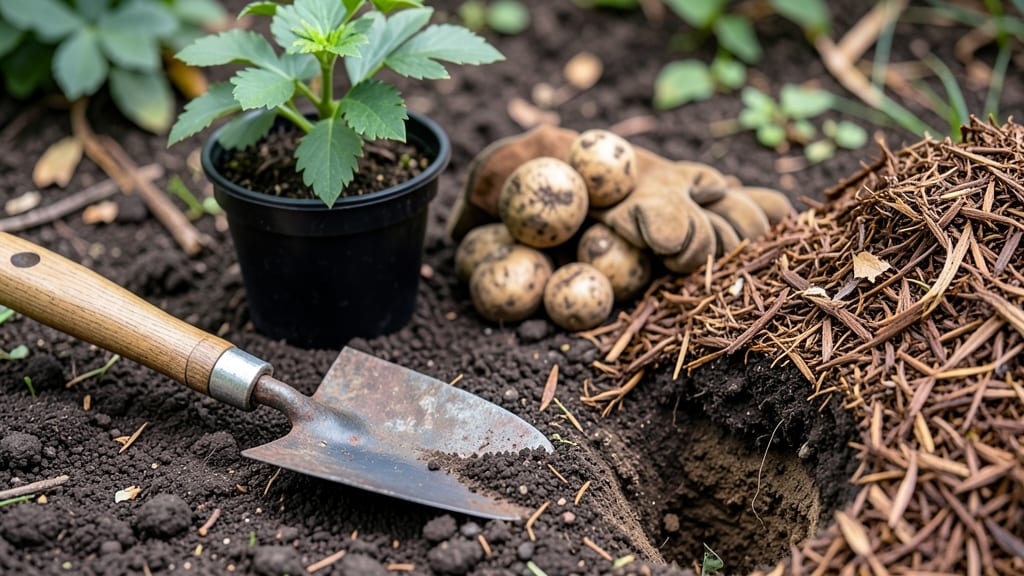
Knowing when to plant dahlias in Zone 8a means the difference between a showstopping summer garden and a sad, frost-nipped mess. The key isn't just waiting for the last frost date—it's tracking soil temperatures that guarantee your tubers will thrive without risking cold damage.
I’ve learned the hard way that planting too early can leave your 🌸 dahlias vulnerable, while waiting too long might mean missing the ideal window for those bold blooms.
In Zone 8a, where frost can linger into mid-March or even later in some microclimates, understanding the exact soil temperature triggers is your secret weapon.
Once the ground consistently hits 60°F—usually around late April to early May—your dahlias will have the perfect start. But there’s more to it than just the calendar: soil prep, tuber hardening, and even how your local microclimate plays a role can make or break your success.
Let me walk you through the exact steps to time your planting for zero-frost risk blooms, so you can enjoy those vibrant 🌸 dahlias from late summer straight through fall. Ready to transform your garden?

Optimal soil temperature for dahlias in Zone 8a: the exact degrees that matter
Dahlias thrive when planted in warm soil, not just warm air. In Zone 8a, the magic number is 60°F or higher—consistently—for at least 5-7 days before planting. Cold soil slows root growth and invites tuber rot, while warm soil jumpstarts vigorous blooms.
This threshold aligns with your last frost date (typically March 15 in Zone 8a), but soil warms weeks later.
Use a soil thermometer to check temperatures at 6 inches deep—the depth where dahlias’ roots will establish. Morning is the best time to measure, as soil cools overnight. In Southern California, soil may hit 60°F by mid-April, while Tennessee gardeners might wait until early May.
Microclimates near urban heat islands or slope-facing south can shave off 1-2 weeks of waiting.
Why wait for warm soil? Dahlias are tender perennials—their tubers rot in cold, wet soil. A 55°F soil can delay growth by 3-4 weeks and stress plants, making them vulnerable to powdery mildew and slugs.
Warm soil (60°F+) signals it’s safe to plant, ensuring roots grow 1-2 inches per day instead of stagnating.
Pro tip: If your soil is clay-heavy (common in Zone 8a), amend it with compost or sand to improve drainage. Cold clay holds moisture, creating anaerobic conditions that suffocate roots.
Test your soil’s drainage rate: Dig a 6-inch hole, fill it with water, and time how long it takes to drain. If it’s slower than 4 hours, amend before planting.
Here’s how to calculate your local soil warming timeline:
- Find your last frost date (NOAA’s Frost/Freeze Product is free).
- Add 2-3 weeks to account for soil warming (air temp ≠ soil temp!).
- Verify with a soil thermometer for 3 consecutive days above 60°F. For example, if your last frost is March 20, aim to plant by April 10-15.
| Zone 8a Region | Avg. Soil Temp Reaches 60°F | Planting Window | Key Consideration |
|---|---|---|---|
| Southern California (LA, San Diego) | Mid-April | April 15–May 1 | Watch for heatwaves; mulch to retain moisture. |
| Tennessee (Nashville) | Early May | May 10–20 | Clay soil? Amend with compost to prevent rot. |
| Georgia (Atlanta) | Late April | April 25–May 10 | Use row covers if late frost risk exists. |
| Texas Hill Country (Austin) | Early April | April 1–15 | Drought-prone? Mulch heavily to retain water. |
Even after soil warms, air temperatures matter. Dahlias handle 70°F+ days best, but nighttime temps below 50°F can stunt growth. In Zone 8a, this usually aligns with May 1, but monitor your local weather forecasts for late frosts—especially in valleys or high elevations within the zone.
For pre-sprouted dahlias (potted plants with green shoots), you can plant 2 weeks earlier than dormant tubers, as their roots are already active. However, never plant before soil hits 55°F, or you risk shocking the roots.
Harden off pre-sprouted plants by gradually exposing them to outdoor temps for 1 week before transplanting.
If you’re starting tubers indoors (a common Zone 8a strategy to extend the season), aim to have them ready to plant by April 15). Use a heat mat to keep soil at 70°F for faster sprouting. Transplant when sprouts are 3–4 inches tall and soil is 60°F+.
Remember: Dahlias in Zone 8a can bloom until first
Optimal soil temperature for dahlias in Zone 8a: the exact degrees that matter
In Zone 8a, the difference between 60°F and 55°F soil can mean the difference between thriving dahlias and rotting tubers. I’ve found that consistent 60°F+ soil temperatures are non-negotiable—this typically aligns with late April to early May in most of Zone 8a, but your exact timing depends on microclimates.
Why? Dahlias are tropical plants at heart, and their tubers rot in cold, damp soil. When soil temps hover below 55°F, fungal diseases like Phytophthora thrive, turning your carefully stored tubers to mush before they even sprout.
I’ve lost entire batches this way—until I started using a soil thermometer.
Here’s the critical range you need to track:
| Soil Temperature | Zone 8a Planting Window | Risk Level |
|---|---|---|
| Below 55°F | Avoid planting | High (tuber rot) |
| 55–59°F | Pre-sprouted tubers only | Moderate (slow growth) |
| 60–65°F | Ideal planting (April–May) | Low (vigorous growth) |
| Above 70°F | Late planting (June) | Low (but smaller blooms) |
Pro tip: Use a soil thermometer to check temps at 6-inch depth—this is where your tuber’s roots will first establish. If you’re in a valley or low-lying area in Zone 8a, frost can linger 2–3 weeks later than coastal regions.
I always check NOAA frost maps for my specific area to adjust my timeline.
Once your soil hits 60°F consistently, your dahlias will shoot up 2–3 inches per week—that’s when you know you’ve timed it right. The key is patience; waiting for the right temp means zero-frost risk and bigger blooms all season.
Don’t rush! Even if your air temperatures feel warm, cold nights can still stress your tubers. I’ve seen gardeners in San Diego vs. Atlanta plant at the same calendar date—only for the Atlanta dahlias to wilt from late-night chills. Always prioritize soil temp over the calendar.
🌱