
Plants
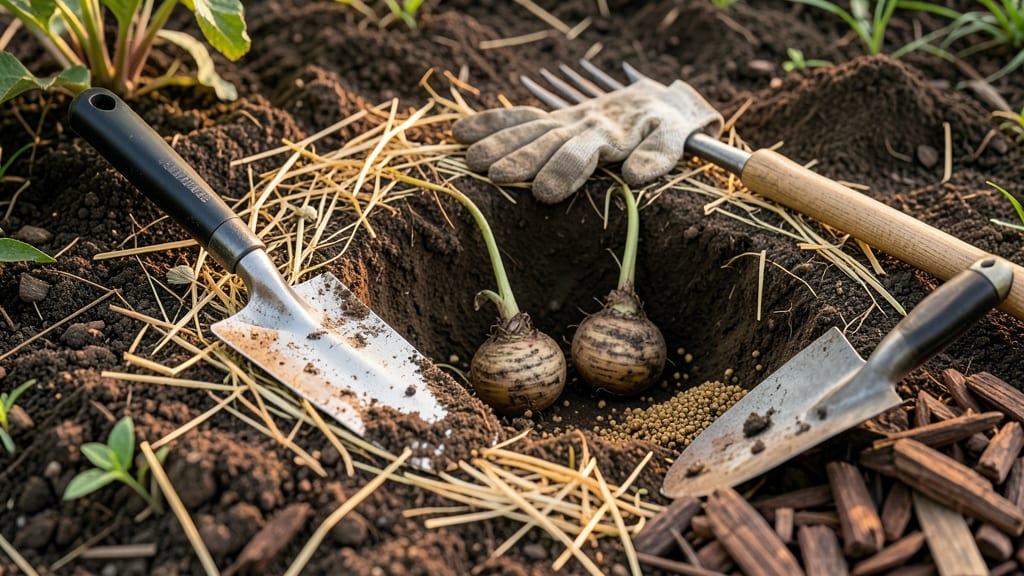
When to plant dahlias in Zone 7b means the difference between a garden bursting with 🌼 blooms and one full of wilted disappointment. Too early, and a late frost will zap your tender tubers. Too late, and your dahlias might never reach their full potential before summer fades.
Most gardeners in Zone 7b wait until mid-to-late spring—after the last frost has passed and soil temperatures hit that sweet spot of 55-60°F. But here’s the catch: your exact deadline depends on whether you’re starting tubers indoors or planting them directly in the ground.
Let me walk you through the best approach for your climate.
You’ll also need to know how to prep your dahlias for planting—whether it’s chitting tubers indoors or hardening them off before they hit the garden bed. And don’t forget: Zone 7b’s unpredictable spring weather means you’ve got to stay vigilant about frost risks until Mother Nature gives you the all-clear.
By the end of this guide, you’ll have a clear timeline, soil temperature rules, and pro tips to ensure your dahlias thrive from the moment you plant them until their summer-to-fall harvest. Let’s get those tubers in the ground at the perfect time!

Zone 7b dahlias planting timeline: frost-free deadline & soil temperature rules
Timing your dahlias in Zone 7b is all about balancing soil warmth and frost risk. The last average frost date in Zone 7b is around April 15, but this can vary by 1-2 weeks depending on whether you're in the northern or southern part of the zone.
Planting too early risks cold damage to tender tubers, while waiting too long may delay blooms until late summer.
Dahlias need soil temperatures of 55-60°F to thrive. Use a soil thermometer to check—if it’s consistently below 55°F, hold off on planting. In most of Zone 7b, this means waiting until mid-to-late May for direct-sown tubers or early May for pre-sprouted starts.
The key is to plant when your soil is warm enough to prevent rot.
Northern Zone 7b (closer to 7a) may face late frosts into early May, so wait until May 1-15 for safety. Southern Zone 7b can often plant as early as mid-April, but always monitor local forecasts. I’ve learned the hard way—planting in cool, wet soil leads to mushy tubers and failed blooms!
| Stage | Action | Zone 7b Timeline |
|---|---|---|
| Prep Tubers | Chit tubers indoors (3-4 weeks before last frost) | Mid-March to early April |
| Soil Prep | Amend soil with compost; ensure drainage | Late March to April |
| Plant Starts | Transplant pre-sprouted tubers (if started early) | Early to mid-May |
| Direct Plant | Plant bare tubers after soil reaches 55-60°F | Mid-to-late May |
| Post-Plant Care | Mulch, stake, and water deeply | Immediately after planting |
🌱 Pro Tip: Use a soil thermometer—don’t guess!
If you’re starting dahlias from tubers indoors, begin chitting (pre-sprouting) in mid-March. Place tubers in a bright, cool spot (around 60°F) with the eyes facing up.
By the time you plant outdoors, you’ll have a 2-3 inch head start on growth. I’ve found that ‘Café au Lait’ and ‘Kelvin Flood’ varieties sprout especially well this way.
For direct-sown tubers, wait until your soil is consistently 60°F for at least 5 days. In Zone 7b, this typically lands in late May.
Plant tubers 4-6 inches deep, with the eyes facing upward, and space them 12-18 inches apart depending on the variety’s mature size. Larger dahlias (like ‘Bishop’) need more space to avoid crowding.
After planting, mulch heavily with straw or shredded leaves to retain moisture and regulate soil temperature. This is especially critical in Zone 7b’s hot summers, where soil can dry out quickly. I’ve seen dahlias bolt (send up weak stems) when mulch is skipped—don’t make that mistake!
Watch for late-spring frosts, which can still occur in Zone 7b’s northern reaches. If frost is forecasted within 2 weeks of planting, cover young plants with frost cloth or a lightweight row cover. Even a light freeze (28-32°F) can damage emerging shoots, so be prepared to act fast.
Once your dahlias are in the ground, consistent watering is key. Aim for 1-1.5 inches of water per week, delivered in the morning to prevent fungal diseases.
In Zone 7b’s humid summers, dahlias are prone to powdery mildew, so avoid overhead watering and ensure good airflow around plants.
By following these Zone 7b-specific rules, you’ll set your dahlias up for vibrant blooms from mid-summer to frost. The secret? Patience with timing and attention to soil conditions. Trust me, your garden will thank you with bigger, healthier blooms than you’ve ever seen! 🌼
Zone 7b dahlias planting timeline: frost-free deadline & soil temperature rules
In Zone 7b, timing your dahlias correctly means waiting for two key factors: soil temperature and the last frost date. Most areas experience their final frost around April 15, but soil warmth is the real game-changer.
Dahlias need 55-60°F soil to thrive—cold soil stunts growth and invites rot.
Northern parts of Zone 7b (like the Appalachians) may need to wait until mid-May for consistent warmth, while Southern areas (like North Carolina's Piedmont) can plant as early as late April. Always check your local frost-free date and test soil temp with a thermometer.
Here’s the critical timeline for Zone 7b: April 15–May 15 is your ideal window. Plant too early, and tubers rot in chilly soil; too late, and blooms arrive after summer’s peak. Balance is everything!
| Stage | Action | Zone 7b Deadline |
|---|---|---|
| Soil Warm-Up | Wait for 55–60°F soil | Mid-April to early May |
| Last Frost | Plant 2 weeks after | April 15–May 1 |
| Peak Blooms | Full sun + consistent water | June–September |
| First Frost | Dig tubers before Nov 15 | Mid-October |
✅ Pro Tip: Use a soil thermometer—don’t guess! 🌡️
If you’re starting dahlias from tubers, pre-chit them indoors 4–6 weeks before your target planting date. This jumpstarts growth so they’re ready to bloom faster once outside. For potted plants, harden them off for 7–10 days before transplanting.
Zone 7b’s clay-heavy soils can delay warming. Amend with compost or sand to improve drainage and speed up soil temperature rise. Mulch after planting to lock in warmth and retain moisture—critical for drought-prone areas.
Remember: Late May plantings still work, but expect smaller blooms. Prioritize soil temp over calendar dates—your dahlias will thank you with bigger, longer-lasting flowers all summer! 🌼