
Plants
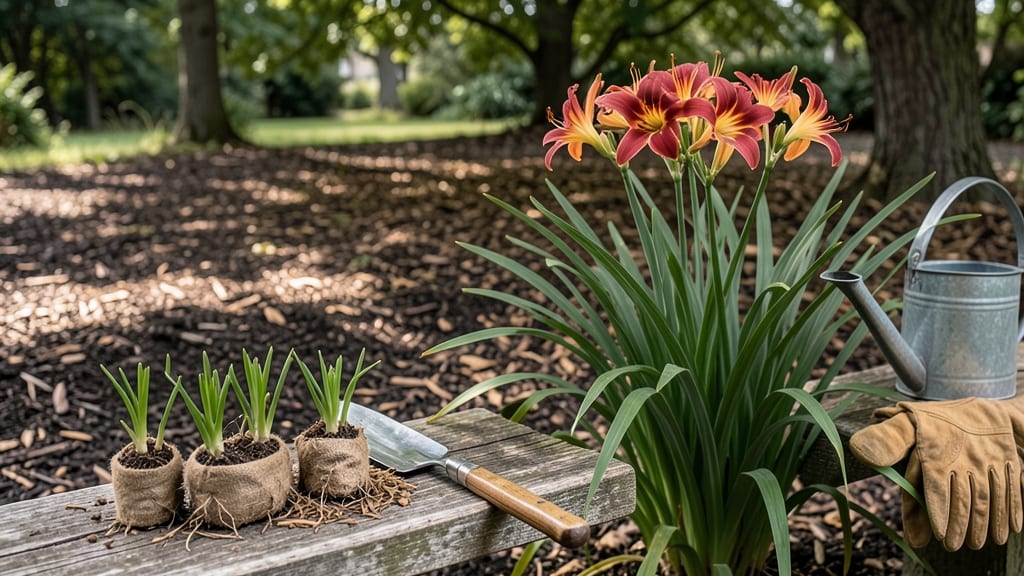
Timing your Daylily 🌸 planting in Texas could mean the difference between vibrant blooms and struggling plants—especially when summer heat arrives faster than you expect. Most gardeners in zones 8a-10b assume spring is the only window, but fall actually offers cooler soil and fewer pests for these hardy perennials.
If you've ever watched your daylilies wilt under Texas sun or struggle to establish roots in the wrong season, you're not alone. The key is planting when soil temps dip below 75°F—typically between September and November—but early spring works too if you're in cooler North Texas regions.
I'll break down exactly when to plant based on your specific zone, plus pro tips for soil prep and microclimate adjustments. Whether you're in the Panhandle or the Rio Grande Valley, these strategies will help your daylilies thrive year after year.
Ready to transform your garden? Let's dive into the perfect planting schedule tailored for Texas' diverse climate—so you can enjoy those showstopping blooms from spring through fall without the guesswork.
Texas daylily planting calendar by USDA hardiness Zones (7-10)
Daylilies thrive in Texas’ USDA Zones 7–10, but their planting windows shift dramatically between North Texas’ cooler winters and South Texas’ extended growing seasons. The key? Plant when soil temps hover between 60–70°F—cool enough for root establishment but warm enough to avoid frost damage.
For most Texas gardeners, this means fall (September–November) or early spring (February–March), with microclimate tweaks for urban heat islands or rural areas.
Texas’ frost-free periods range from 210 days in North Texas to over 300 days in South Texas, so timing matters. In Zone 7a (Panhandle), aim for late March to early April to escape late frosts.
Meanwhile, Zone 10b (Deep South Texas) gardeners can plant as early as January–February—just avoid summer’s scorching heat. Let’s break it down by zone for foolproof results.
🌱
| USDA Zone | Best Planting Window | Soil Temp Goal | Key Consideration |
|---|---|---|---|
| 7a (Panhandle) | Late March–Early April | 60–65°F | Avoid late frosts (avg. last frost: Feb 15) |
| 8a–8b (North/Central TX) | September–October OR February | 65–70°F | Fall planting avoids summer heat; spring planting beats drought |
| 9a–9b (East/Central TX) | September–November OR January–February | 68–72°F | Longer frost-free season; January planting risks heat stress |
| 10a–10b (South TX) | January–February OR September–October | 70–75°F | Avoid summer planting (temps >90°F); shade cloth helps in Zone 10b |
For urban gardeners in cities like Austin or Dallas, heat islands can push soil temps 10°F+ higher than rural areas. Test soil with a thermometer (aim for 60–70°F)—if it’s hotter, plant in late fall or use shade cloth until roots establish.
In rural areas, cooler nights mean spring planting (February–March) often works better to avoid summer wilting.
Pro tip: Divided daylilies (not nursery starts) can handle fall planting until November in Zones 8–10, thanks to their dormant roots. But bare-root or potted daylilies need soil temps above 60°F—wait until after the first frost in spring if you’re in doubt.
🌡️
Texas’ extreme temperature swings can confuse even experienced gardeners. For example, a North Texas freeze in December might fool you into thinking it’s safe to plant, but daylilies need 6–8 weeks to establish roots before winter.
Similarly, South Texas’ mild winters can trick you into planting too early—avoid planting when daytime highs exceed 85°F, or your daylilies will bolt (send up flower stalks too early) or suffer heat stress.
To fine-tune your timing, watch for local cues: wildflowers blooming (like bluebonnets in spring) or hummingbirds returning signal stable temps. For Zone 10b gardeners, September planting is ideal—it lets roots establish before summer’s brutal heat kicks in.
Meanwhile, Zone 7a gardeners should wait until after April 15 to avoid late frosts.
📅
One common mistake? Planting daylilies in summer for a quick fix. While they’re drought-tolerant once established, new plants need consistent moisture to root. If you must plant in summer, use shade cloth and drip irrigation to keep soil evenly moist—but fall or spring are always better.
For container gardening, timing shifts slightly: potted daylilies can go in 2–4 weeks earlier than in-ground plants because containers warm up faster. Just ensure pots have drainage holes and use lightweight potting mix to prevent waterlogging.
☀️
Signs your Texas daylilies are ready to plant (beyond the calendar)
Don’t rely solely on the calendar—Texas’s unpredictable weather means soil temperature and plant readiness matter more. Daylilies thrive when soil temps hit 60°F (15°C), but leaf emergence is your best indicator.
Look for fresh green shoots poking through the soil, signaling the plant is breaking dormancy and ready for transplanting.
Another key sign is soil moisture. Press your finger 2 inches deep—if it’s damp but not soggy, your daylilies are primed for planting. Texas’s drought cycles can fool you, so avoid planting during dry spells when roots struggle to establish. Instead, aim for post-rain periods when moisture is consistent.
🌱
- 🌱 New shoots (1–2 inches tall) breaking soil surface
- 💧 Moist but not waterlogged soil (2-inch test)
- ☀️ Soil temp above 60°F (15°C) (use a soil thermometer)
- 🌡️ Stable temps (no hard frosts forecasted for 2 weeks)
- 🌿 Healthy root ball (no mushy or shriveled roots)
Texas gardeners also watch for daylily dormancy cycles. If you’re planting in fall (September–November), prioritize varieties that’ve already sprouted—these adapt faster to cooler temps. For spring planting (February–March), wait until you see leaf buds forming, as this proves the plant has survived winter.
Pro tip: In Zone 10 (South Texas), where winters are mild, plant daylilies as soon as soil is workable (often January–February). But in Zone 7 (North Texas), hold off until late March to avoid late frosts.
Adjust based on microclimates—urban areas heat up faster, so plant earlier there.
After hurricanes or heavy rains, delay planting until soil drains properly. Soggy conditions invite root rot, and daylilies hate wet feet. If you’re unsure, dig a small hole, fill it with water, and check drainage—if it takes more than 4 hours to drain, wait a few days.
Finally, trust your daylily’s hardiness. These perennials bounce back from minor setbacks, but planting at the right readiness stage ensures faster blooms and longer vase life. With these cues, you’ll nail the timing—no calendar needed! 🌷