
Planting
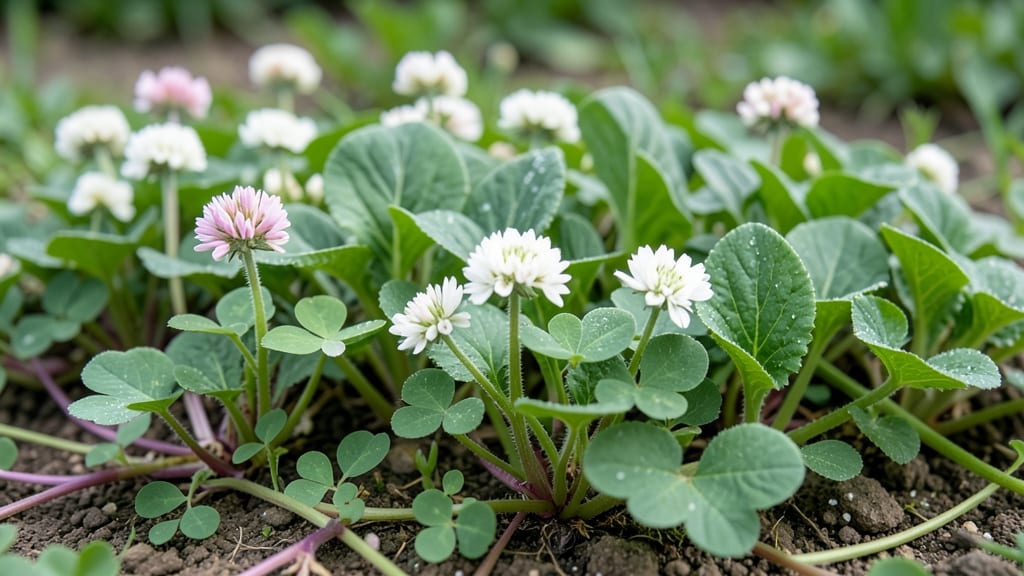
If you're planting a 🌾 deer food plot in Kentucky, timing isn't just important—it's the difference between a thriving whitetail magnet and wasted seeds. Kentucky's 6a-7b climate demands precision, with two perfect windows: early spring (March-April) or early fall (September-October).
Plant outside these months, and you risk stunted growth or missing peak deer activity when bucks are most active.
Why does timing matter so much? Because deer feeding patterns align with their natural rut cycles. A well-timed food plot ensures lush forage when bucks need it most—late summer through early fall. We've seen firsthand how a properly timed plot can transform hunting success, attracting deer consistently throughout the season.
Let me show you exactly how to align your planting schedule with Kentucky's unique growing conditions. From soil prep to crop selection, we'll cover the critical steps that make the difference between a mediocre plot and one that draws deer like a tractor to a feed bag.
Whether you're a seasoned hunter or new to food plots, these insights will help you create a plot that thrives—giving you more opportunities to fill your tags. The best part? These methods work whether you're planting clover, brassicas, or native grasses that deer can't resist.
Kentucky’s ideal planting months for deer food plots by season
Planting deer food plots in Kentucky requires precision—timing your planting windows to match soil temperatures and deer feeding patterns ensures lush growth and maximum whitetail activity. The Bluegrass Region, Pennyrile Plains, and Cumberland Plateau each have unique microclimates, so adjustments are key.
For most of Kentucky (USDA Zones 6a-7b), the optimal planting months are March-April for spring and September-October for fall, aligning with deer rut cycles and frost-free periods.
Spring planting kicks off when soil temperatures reach 50°F (10°C), typically by mid-March in southern Kentucky and late March in the north. This ensures seeds germinate before late frost risks (average last frost: March 15).
Fall planting, on the other hand, should wrap up by early October to allow 4-6 weeks of growth before the first frost (average: November 15). These windows prevent winter kill and maximize late-season forage when bucks are most active.
Regional adjustments matter: In the Pennyrile Plains, where soils warm faster, you can plant clover mixes as early as February if using frost blankets. Meanwhile, the Cumberland Plateau’s cooler microclimate may delay spring planting until late April to avoid frost damage.
Always check your local USDA Plant Hardiness Zone for fine-tuning.
🌱
🌾 Kentucky Deer Food Plot Planting Guide by Season
| Season | Ideal Months | Soil Temp Requirement | Key Crops | Deer Activity Peak |
|---|---|---|---|---|
| Spring | March–April | 50°F+ (10°C+) | Clover, brassicas, chicory | Late summer rut prep |
| Summer | Avoid (too hot) | N/A | N/A | Low activity |
| Fall | September–October | 60°F+ (15°C+) | Winter wheat, rye, turnips | Rut season (Oct–Nov) |
| Winter | Dormant | N/A | N/A | Minimal feeding |
*Adjust for microclimates: Plateau areas plant 2–4 weeks later than Bluegrass.
For spring planting, aim to establish plots by mid-April to ensure 90–120 days of growth before hunting season. Clover mixes and brassicas thrive in these conditions, providing high-protein forage that deer crave.
In contrast, fall plantings should focus on cool-season grasses like winter wheat or rye, which mature just in time for the October–November rut when bucks need energy for chasing does.
Kentucky’s variable rainfall adds another layer: Spring often brings 1–2 inches of rain weekly, while fall can be drier. Monitor soil moisture—1 inch of water per week is ideal—and irrigate if rainfall drops below 0.5 inches for two weeks.
Drought-stressed plots attract fewer deer, so mulching with straw can retain moisture in sandy soils common in the Pennyrile Region.
Pro tip: Use a soil thermometer to confirm 50°F+ for spring or 60°F+ for fall before planting. Cold soils delay germination, wasting seeds and delaying deer attraction. Pair this with a pH test—Kentucky’s acidic soils often need lime to reach the 6.0–6.5 range ideal for clover and brassicas.
🌿
Kentucky’s ideal planting months for deer food plots by season
Planting deer food plots in Kentucky isn’t a one-size-fits-all task—it’s a seasonal puzzle where timing directly impacts deer activity and plot success. The Bluegrass Region and Pennyrile Plateau have different microclimates, meaning what works in Lexington might fail in Paducah if planted at the wrong time.
For consistent results, focus on early spring (March-April) and early fall (September-October) windows, when soil temperatures hover between 50-65°F.
Spring planting kicks off when soil warms to 55°F, typically by mid-March in southern Kentucky and late March in the Cumberland Plateau. This aligns with deer’s post-winter recovery phase, when bucks and does seek high-protein forage.
Fall planting, on the other hand, should occur 6-8 weeks before first frost (usually mid-September) to ensure crops mature before winter dormancy sets in.
🌾 Kentucky Deer Food Plot Planting Timeline
| Season | Ideal Planting Month | Soil Temp (°F) | Deer Activity | Notes |
|---|---|---|---|---|
| Spring | March–April | 55–65°F | High (post-winter) | Plant clover, brassicas for early forage |
| Summer | Avoid (heat stress) | N/A | Low (deer seek shade) | Use cover crops instead |
| Fall | September–October | 60–70°F | Peak (rut prep) | Plant winter wheat, chicory for late-season browse |
| Winter | Avoid (dormancy) | N/A | Minimal | Plan next season’s plots |
Kentucky’s variable frost dates complicate timing—some years, late spring frosts linger into April, while early fall freezes can arrive as soon as November. To hedge your bets, use frost-free day calculators for your specific county (e.g., 165-200 frost-free days in most of Kentucky).
For example, in Bowling Green, aim for September 1st planting to ensure crops mature before the average November 15th frost.
Regional adjustments matter: Northern Kentucky (USDA Zone 6a) can plant 2 weeks later than Southern Kentucky (Zone 7a) due to cooler soils. Test soil temperatures with a soil thermometer—wait until readings hit 55°F for 3 consecutive days before planting spring crops like clover or brassicas.
Fall plots should be seeded when nighttime temps drop to 50°F but days remain warm enough for germination.
Pro tip: Double-check seed packet instructions—some crops (like chicory) thrive in Kentucky’s heat but need direct seeding in spring, while others (like winter wheat) perform best when planted in late summer.
Always prioritize soil prep 2-3 weeks before planting to avoid compacted ground, which deer dislike traversing.
Timing isn’t just about the calendar—it’s about aligning with deer behavior. Spring plots should be ready by May to coincide with fawn births, while fall plots should peak in October during the rut. Miss these windows, and you’ll end up with overgrown weeds instead of a whitetail buffet.