
Plants
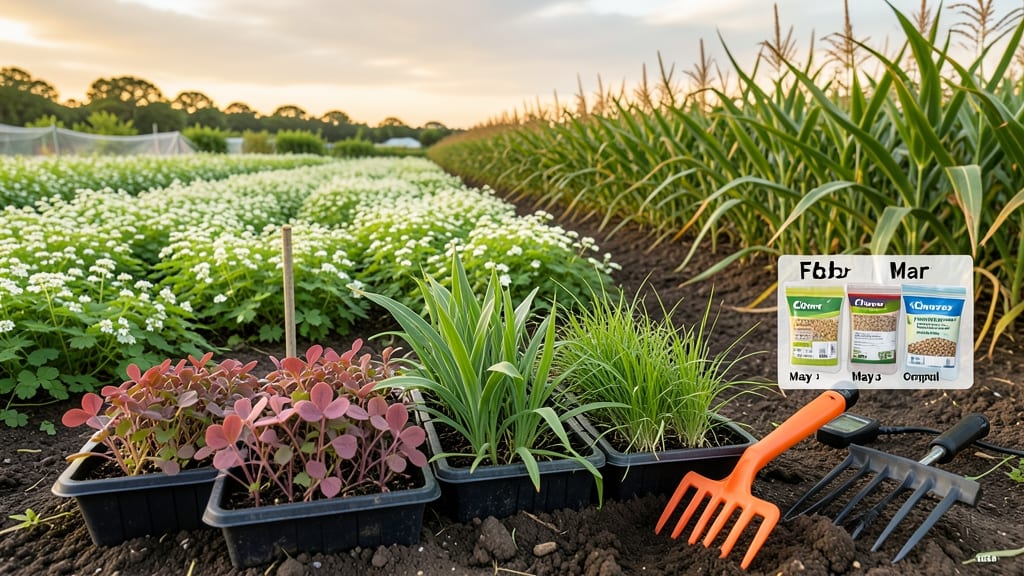
Planting your 🌱 food plots at the wrong time in Florida can turn your investment into a sad, wilted mess—unless you know the heat-zone secrets that make all the difference.
The state’s sweltering summers and occasional cool snaps create a unique puzzle, where timing isn’t just about months but about soil temperatures and crop types that thrive in Florida’s 8a-11 zones.
I’ve seen firsthand how a late summer planting can mean lush, fast-growing forage in just 30-60 days, while a misjudged spring effort can leave you battling weeds or struggling with slow germination.
The key? Aligning your schedule with Florida’s climate quirks—like avoiding hurricane season disruptions or capitalizing on the humid subtropical conditions that speed up growth.
In this guide, I’ll break down the exact windows for planting warm-season vs. cool-season crops, plus the soil prep tricks that ensure your food plots take off like a rocket.
Whether you’re a first-timer or a seasoned hunter, these insights will help you skip the guesswork and create a deer magnet that works year-round.
Let’s dive into the fastest way to turn your Florida acreage into a thriving food plot—without the trial-and-error headaches.
Florida heat-zone planting calendar for fast germination
Florida’s humid subtropical climate creates unique challenges for food plot success. Unlike northern states, Florida’s USDA zones 8A-10A offer year-round growing potential—but timing is everything. Planting too early risks hurricane damage or excessive heat stress, while late planting can leave plots vulnerable to winter dieback.
The key lies in aligning your planting schedule with soil temperatures and local heat zones.
Northern Florida (zones 8A-9A) experiences occasional light frosts, while southern Florida (zones 10A+) remains frost-free year-round. Soil temperatures below 60°F can stall germination, while prolonged exposure above 90°F stresses seedlings. My strategy? Plant when soil temps hit 65-75°F—the sweet spot for most forage crops.
Here’s your heat-zone planting calendar with crop-specific timing to maximize germination and deer appeal:
For zone 8A, I recommend a two-planting strategy: spring for cool-season crops like clover and fall for brassicas. In zone 10A, you can plant almost year-round, but focus on summer heat-tolerant crops like cowpeas to avoid fungal diseases.
Pro tip: Use a soil thermometer to confirm temperatures before planting—this is non-negotiable for germination success.
Rainfall patterns also dictate timing. Florida’s wet season (June–October) can lead to waterlogged soil, while dry season (November–April) requires supplemental irrigation. Schedule planting during transitional months (May, September) to balance moisture and temperature.
One mistake I see often? Planting warm-season crops too early in cooler zones. For example, sorghum in zone 8A won’t thrive if planted in March—wait until May when soil temps consistently exceed 70°F.
Similarly, cool-season crops like turnips should never go in the ground after June 1st in southern Florida.
To track your local conditions, check the Florida Automated Weather Network (FAWN) for real-time soil temps. Pair this with a moisture meter to avoid overwatering—Florida’s humidity already creates a greenhouse effect.
Remember: Deer foraging peaks in Florida during late summer (August–September) and early winter (December–January). Time your planting to provide peak nutrition during these critical months. A well-timed food plot can attract deer within 30 days of germination.
Best food plot crops for Florida’s climate and when to plant them
Florida’s humid subtropical climate demands heat-tolerant crops that thrive in 90°F+ temperatures while delivering high forage value. My top recommendations include clovers, brassicas, sorghums, and warm-season grasses, each with specific planting windows to maximize germination and deer appeal.
For cool-season crops like clover (white, red, or crimson), aim for late summer (August-September) in North Florida (USDA Zone 8A) to establish before mild winter temperatures.
In South Florida (Zone 10A), plant year-round with peak success in June or October to avoid summer heat stress.
Warm-season powerhouses like sorghum-sudangrass and pearl millet should be sown May-July when soil temps exceed 70°F. These fast-growing annuals (30-60 days to maturity) provide high-protein forage that deer crave during summer slumps when natural browse is scarce.
Brassicas (rape, turnip, or kale) are my deer-attractant secret weapon—plant them September-October in North Florida or May-June in South Florida. These cool-season crops bolt in summer heat, so timing is critical. For maximum deer traffic, plant brassicas 2-3 weeks before peak hunting season (November-March).
Don’t overlook warm-season grasses like bahiagrass or bermudagrass, which establish best in April-May. These perennial workhorses provide year-round grazing but require heavy fertilization (10-20-10 NPK) to maintain palatability. My go-to mix combines 50% clover (protein) with 50% brassicas (bulk) for balanced nutrition deer can’t resist.
For hurricane-prone areas, prioritize fast-growing annuals like sorghum-sudangrass (30 days to maturity) over slow-starting perennials. After storms, replant brassicas immediately—they’ll regrow quickly and draw deer back to damaged plots faster than any other crop.