
Plants
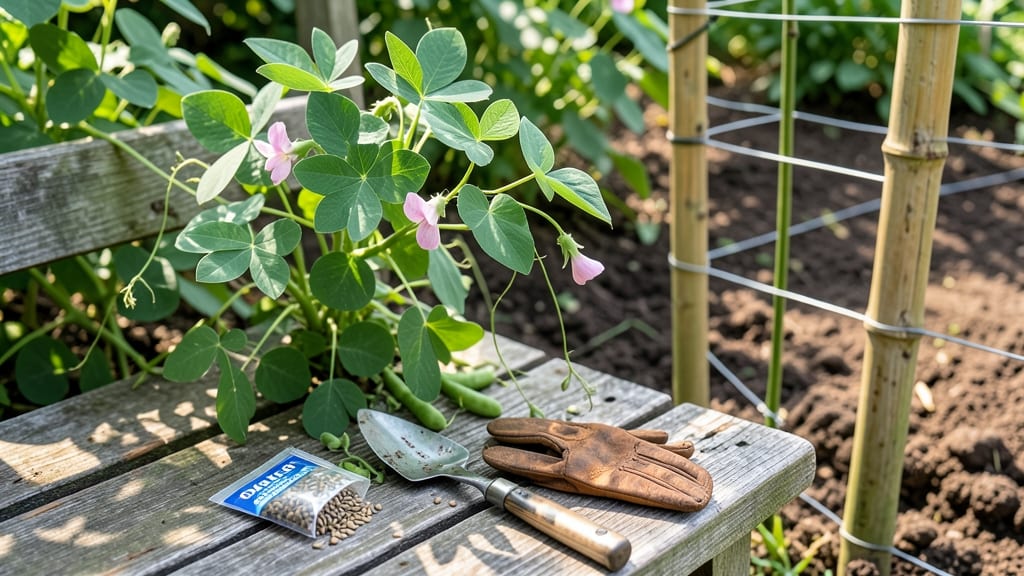
Planting Dixie Lee peas 🌱 in North Carolina at the wrong time can leave you staring at empty vines instead of a garden full of sweet, tender pods.
These heat-loving legumes need precise timing to germinate fast and thrive, but most gardeners miss the soil temperature clues that make all the difference.
You might think spring planting is your only option, but Dixie Lee peas actually perform best when soil temperatures hit 60-65°F—a window that opens in early spring for Piedmont regions but waits until late April or May near the coast.
The key is understanding your microclimate, whether you're in Raleigh's cooler valleys or Wilmington's warmer shores.
Here's the game-changer: By planting these peas 3-4 weeks before your last frost date, you'll ensure fast germination and strong vines ready for harvest by late spring. But there's more—we'll also cover how to extend your growing season with late summer plantings that produce into fall.
Let's break down exactly when to put those seeds in the ground for maximum success, including companion planting tips that boost both yield and flavor. Your next harvest starts with perfect timing!
NC soil temperature triggers for Dixie Lee peas: exact timing guide
Dixie Lee peas are heat-loving legumes that thrive in North Carolina’s warm climate—but they’re not frost-tolerant like some cool-season crops. The key to success lies in soil temperature, not just air temperature.
For these peas to germinate reliably, your soil must reach at least 60°F, with 65°F being ideal. In NC’s USDA Zones 7a-8b, this typically aligns with mid-March to early April for spring plantings and late July to early August for summer crops.
North Carolina’s diverse microclimates mean planting times vary by region. Coastal areas (like Wilmington) can start 1-2 weeks earlier than the Piedmont (Raleigh/Charlotte) or mountain regions (Asheville).
For example, Wilmington’s last frost is often by March 1, while Asheville’s can linger until mid-April. Always check your local frost-free date and adjust accordingly.
To test soil warmth, use a soil thermometer—the gold standard for gardeners. Stick it 2 inches deep (where seeds will be) and wait 10 minutes for an accurate reading. If your soil is below 60°F, wait 7-10 days before replanting.
Pro tip: Morning sunlight warms soil faster, so plant on south-facing slopes or use black plastic mulch to raise soil temperature by 5-10°F within days.
Here’s a quick soil temperature cheat sheet for Dixie Lee peas in NC:
For spring plantings, aim to have Dixie Lee peas established 3-4 weeks before the last frost in your area. This gives them time to mature before summer heat sets in. In Raleigh, for example, planting March 20-April 5 ensures pods are ready by late May.
In Wilmington, you can start as early as March 1, while Asheville gardeners should wait until April 15 to avoid frost damage.
If you’re growing Dixie Lee peas for a summer harvest, plant July 15-August 1 in most of NC. This timing avoids the hottest months (June & August) when soil temps can exceed 80°F, stressing the plants.
Use drip irrigation to keep soil moist and mulch heavily to retain coolness. In Coastal NC, where humidity is higher, watch for powdery mildew—space plants 6 inches apart and avoid overhead watering.
One common mistake is planting Dixie Lee peas too early in hopes of an earlier harvest. Cold soil and frost can kill seedlings before they sprout. Always test your soil and monitor forecasts.
For example, if a late frost is predicted (like the April 2021 freeze that hit NC), cover young plants with row fabric or a cloche until temperatures stabilize.
For container growers, Dixie Lee peas adapt well to pots but require soil that warms quickly. Use black containers or place pots in sunny, sheltered spots.
In mountain regions (USDA Zone 7a), start seeds indoors 4-6 weeks before the last frost using a heat mat to maintain 65-70°F soil temps. Transplant outdoors only after nighttime temps stay above 50°F for a week.
Remember, Dixie Lee peas are not perennial—they complete their life cycle in 60-75 days. Plan your planting schedule to maximize harvests: spring + summer for most of NC, or late summer + fall in cooler mountain areas.
With the right timing, you’ll enjoy sweet, tender pods from May through October—a gardener’s dream!
NC soil temperature triggers for Dixie Lee peas: exact timing guide
Dixie Lee peas are heat-loving legumes that thrive in North Carolina’s warm springs and summers—but they won’t germinate until the soil reaches 60-65°F. Unlike cool-season peas, these Southern favorites need consistent warmth to sprout quickly and avoid rot.
In NC’s USDA Zones 7a-8b, timing your planting to match soil temperatures (not just calendar dates) is the key to success.
Most gardeners in NC make the mistake of planting Dixie Lee peas too early, when cold soil delays germination for weeks. Instead, wait until mid-March to early April for spring plantings or late May to early June for summer crops.
Coastal areas like Wilmington can plant 1-2 weeks earlier than the Piedmont (Raleigh/Charlotte) or mountain regions (Asheville).
| Region | Ideal Planting Window | Soil Temp Trigger | Last Frost Risk |
|---|---|---|---|
| Coastal NC (Wilmington) | Late February - Early April | 60-65°F (earlier than inland) | Low (avg. March 1) |
| Piedmont (Raleigh/Charlotte) | Mid-March - Early April | 60-65°F (wait for warmth) | Moderate (avg. March 15) |
| Mountains (Asheville) | Late March - Early April | 65°F+ (soil warms slower) | High (avg. April 1) |
| Summer Planting (All Regions) | Late May - Early June | 60°F+ (soil stays warm) | None (harvest before frost) |
To test soil temperature, use a soil thermometer buried 2 inches deep (where seeds will be). If it reads below 60°F, wait 5-7 days for warmer conditions. Pro tip: Black plastic mulch can raise soil temps by 5-10°F in 24 hours, speeding up germination for early plantings.
For spring plantings, aim to harvest before summer heat (after June 15) sets in. Dixie Lee peas bolt quickly in temperatures above 85°F, so succession plant every 2-3 weeks for continuous pods.
In summer, focus on late May starts to avoid the hottest July-August months when peas struggle.
Microclimates matter! Urban gardens in concrete-heavy areas may need earlier starts (soil warms faster), while shaded spots under trees will require delayed planting. Always choose a sunny, well-draining location—Dixie Lee peas hate soggy roots and will rot if planted in cold, wet soil.
Remember: Soil temperature > calendar dates. Even if it’s March, if your soil is still 55°F, wait. Use a clear plastic tunnel or row covers to protect early seedlings from late frosts (common in Piedmont until April 1).
With the right timing, you’ll enjoy sweet, tender pods in just 60 days—no waiting for cool-season peas!