
Plants
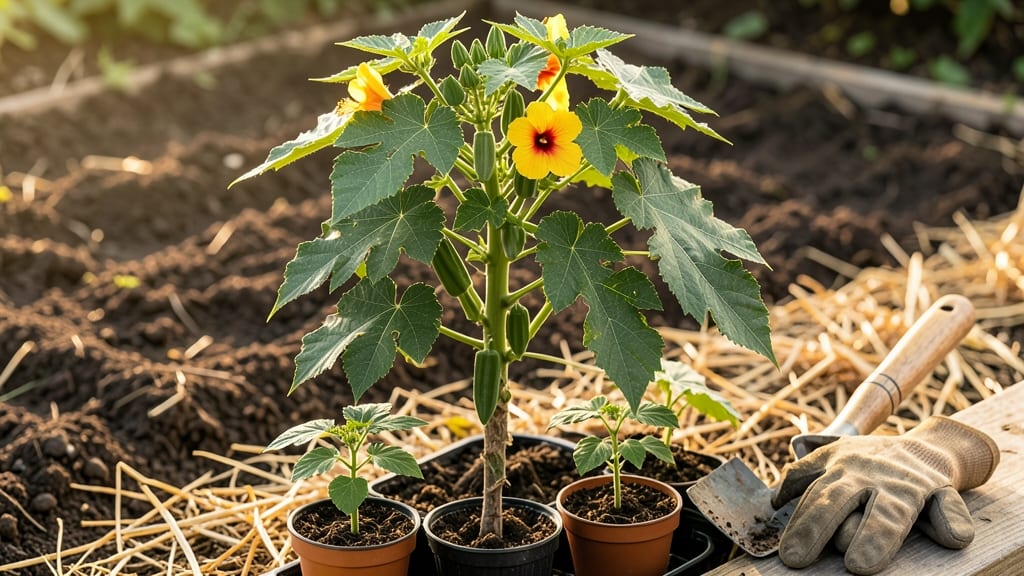
Planting okra in Houston might seem tricky with its brutal summers, but timing it right means you’ll harvest juicy, tender pods all season long. The key is knowing when soil temperatures hit that sweet spot—68°F or warmer—because okra refuses to germinate in cold soil.
Skip this step, and you’ll end up with slow starts or seeds that never sprout.
For Houston gardeners in Zone 9a, the best windows are March–April for spring planting and August–September for a fall crop, giving okra enough time to mature before summer’s peak heat.
But here’s the catch: direct sowing is your best bet—okra hates transplant shock—and waiting too long can lead to bolting before you even get to harvest.
I’ve tested the top heat-resistant varieties here, and they thrive when planted at the right moment. Whether you’re a first-timer or a seasoned gardener, these insights will help you avoid common pitfalls and maximize your yield.
Let’s dive into the exact soil temp triggers and planting strategies that work in Houston’s climate.
You’ll also discover why Clemson Spineless and Emerald Green Bush are local favorites, how to adjust for Houston’s humidity, and when to fertilize for peak growth. No more guessing—just a foolproof plan for okra success in your backyard.
Houston’s ideal okra planting timeline: month-by-month heat zones
Okra loves Houston’s heat, but timing is everything. The optimal planting window spans from late February to early June, with two key phases: spring (March–April) and fall (August–September). Urban areas like Houston heat up faster than rural zones, so adjust your schedule accordingly.
In Zone 9a, where Houston sits, okra seeds need consistent warmth to germinate. Early spring plantings (February) risk slow starts, while late June sowings often bolt before harvest. The sweet spot is when soil hits 68°F+—a threshold we’ll dive into later.
🌱
| Month | Planting Window | Key Considerations | Houston-Specific Tips |
|---|---|---|---|
| February | Direct sow (urban areas only) | Soil may still be cool; use black plastic mulch | Rural areas: wait until mid-February |
| March | Primary window (direct sow or transplants) | Soil reaches 68°F+; ideal germination | Start seeds indoors 4-6 weeks before last frost |
| April | Last chance for spring crop | Hotter days accelerate growth; watch for pests | Use shade cloth for young plants if >90°F |
| May | Risky for new plantings | Extreme heat may cause bolting | Focus on succession planting if needed |
| August | Fall crop begins | Cooler nights slow growth; extend season | Use row covers for early frosts |
| September | Last fall planting window | Harvest before first frost (Dec 1) | Choose quick-maturing varieties like Emerald Green |
Houston’s microclimates create unique challenges. Urban areas with concrete heat islands warm up faster, while rural zones may need an extra week before planting. Always check your specific neighborhood’s last frost date—some Houston suburbs experience light frosts as late as January 15.
For a fall crop, aim for August sowings to harvest before Houston’s rare early frosts. Use heat-tolerant varieties like Clemson Spineless, which handle Houston’s 90°F+ afternoons without bolting. Just be prepared to mulch heavily to retain moisture during summer’s peak.
🌡️
Pro tip: If you’re in a shady Houston backyard, opt for dwarf varieties like Emerald Green Bush. They tolerate partial shade better than tall types, though yields will be lower. For full sun spots, Clemson Spineless is your best bet—it grows 6–10 feet tall and thrives in Houston’s humidity.
🌿
Remember: Okra’s growth speed in Houston is unmatched. From seed to harvest in just 50–60 days, you’ll have pods ready by late June if planted in March. But rush it, and you’ll end up with overgrown, woody pods—a common Houston gardener’s mistake!
Soil temperature triggers for okra germination: Houston’s hidden rule
Okra seeds in Houston need a consistent soil temperature of 68°F or higher to germinate properly. Without this warmth, your seeds may rot in the ground or take weeks to sprout—if they sprout at all.
Houston’s clay-heavy soils can trap moisture and cool down slower than sandy soils, creating a tricky balance for okra germination.
Testing your soil temperature without a fancy thermometer is easier than you think. Stick a digital meat thermometer (or even a candy thermometer) 2 inches deep into the soil on a sunny afternoon.
If it reads below 68°F, wait a few more days—okra seeds won’t germinate until the soil warms up naturally.
Planting too early in February or early March risks seed rot, especially if Houston’s unpredictable cold snaps linger. Conversely, waiting until mid-April or later might mean your okra bolts (goes to flower) before producing pods.
The sweet spot? Aim for late March to early April when soil temps consistently hit 68°F+.
⚠️ Callout Warning
Cold Soil = Seed Disaster: Okra seeds planted in soil below 68°F often rot or fail to germinate. Houston’s clay soil holds moisture longer, increasing rot risk. Use black plastic mulch or a seedling heat mat to warm the soil faster if needed.
For Houston gardeners, compacted clay soil is the biggest germination hurdle. Break up the soil to a depth of 6–8 inches before planting to improve drainage and airflow. Mix in compost or aged manure to loosen the texture—this helps seeds access the warmth they need while preventing waterlogging.
If you’re planting in raised beds, they’ll warm up faster than in-ground soil, giving you a slight edge. Fill beds with a mix of garden soil and compost (50/50 ratio) to create the ideal germination environment.
Monitor soil temps daily until you see sprouts—okra seeds typically germinate in 5–10 days under perfect conditions.
Once your okra seedlings emerge, maintain soil temps above 70°F for optimal growth. Use mulch (straw or grass clippings) to retain heat and moisture, especially during Houston’s unpredictable spring weather. With the right soil temperature timing, your okra will thrive and reward you with a bountiful harvest by summer.