
Trees
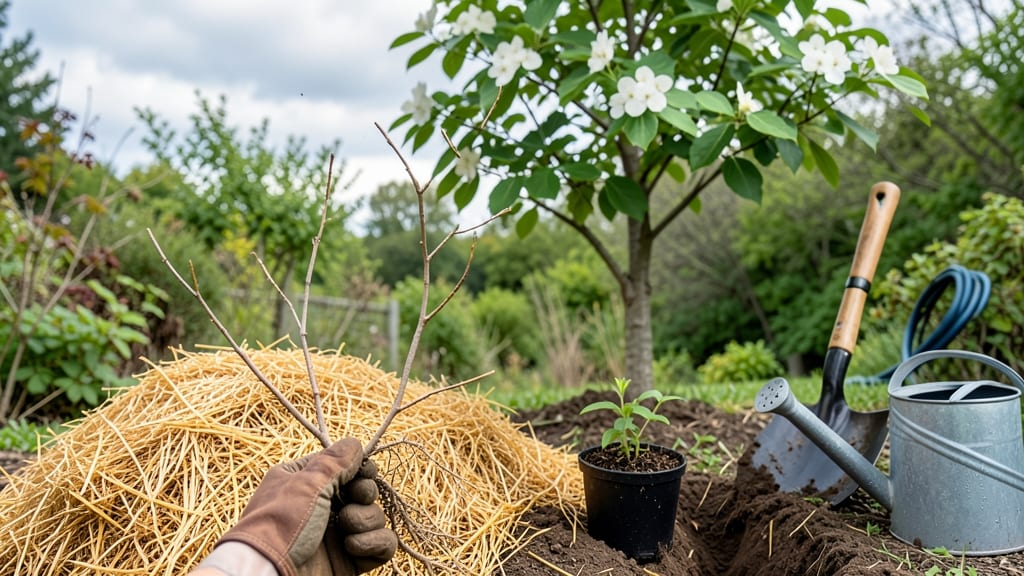
Planting a dogwood tree 🌳 in Georgia isn't just about picking a random month—it's about timing it perfectly to ensure those iconic spring blooms.
The fall months of October and November offer the ideal window, when temperatures cool and roots establish before winter, setting the stage for vibrant flowers next year.
But here's the catch: Georgia's varying climate zones mean what works in North Georgia's cooler 7b might differ from South Georgia's warmer 8b. Whether you're planting bare-root saplings or container-grown trees, understanding your specific chill-hour needs is the key to avoiding weak growth or no blooms at all.
Let me show you exactly how to match your dogwood variety to your local frost dates and soil conditions. We'll cover the critical differences between fall and spring planting, plus how to prepare your site for maximum success—because getting this right means decades of stunning spring displays.
Ready to transform your yard into a dogwood paradise? The best time to plant is now—before the next frost arrives. I'll walk you through every step to ensure your tree thrives from day one.
Georgia dogwood planting calendar: best months by chill-hour zone
Planting your dogwood tree in Georgia at the right time means the difference between vibrant spring blooms and a struggling sapling. Georgia’s chill-hour zones (300-900 hours) dictate the perfect window, with fall planting being ideal for root establishment before winter.
The last frost date in most regions falls around mid-March, but timing varies by county.
For Northern Georgia (USDA zones 7a-7b), aim for October 15 to November 15—this gives roots time to settle before winter dormancy.
In Southern Georgia (zones 8a-8b), extend your window to November 15 to December 15, as milder winters reduce frost risk. Spring planting is also viable in February to early March, but requires careful moisture management.
Here’s the key: Dogwoods need 300-900 chill hours (temperatures 32-45°F) to bloom. Planting too early in September risks root stress before winter, while waiting until January may expose young roots to spring frost.
The optimal chill-hour match ensures your tree breaks dormancy at the right time for peak flowering.
🌳 Visual Guide: Georgia Dogwood Planting Zones & Best Months
| Chill-Hour Zone | Best Planting Months | Last Frost Date | Frost Risk Level | Dogwood Variety Recommendation |
|---|---|---|---|---|
| 300-500 hours | October 15–November 15 | March 1–15 | High | ‘Cherokee Brave’ (heat-tolerant) |
| 500-700 hours | October 1–November 30 | March 10–25 | Moderate | ‘Purple Smoke’ (disease-resistant) |
| 700-900 hours | November 1–December 15 | March 20–April 5 | Low | ‘White Winter’ (late bloomer) |
*Chill-hour data sourced from University of Georgia Extension (2023).
If you’re planting in containers, adjust your timeline by 2-4 weeks earlier—container-grown trees establish roots faster but dry out quicker. Bare-root dogwoods (common in fall sales) need immediate planting to avoid root desiccation, while container-grown trees offer more flexibility for spring planting.
Pro tip: Use mulch (3-4 inches of pine straw or wood chips) after planting to retain moisture and regulate soil temperature. In North Georgia, add mulch by late October; in South Georgia, wait until November to avoid attracting pests during warm spells.
For urban gardeners, consider ‘Natchez’ dogwoods, which tolerate compacted soil and pollution—perfect for city landscapes. These thrive in fall-planted schedules but require extra watering in summer’s heat to prevent leaf scorch.
Remember: Dogwoods hate soggy roots. Georgia’s clay-heavy soil drains poorly—amend with compost or sand to improve aeration. Test your soil’s pH (5.0-6.0 ideal) before planting; lime can raise pH if needed, but avoid overdoing it.
Timing your dogwood planting to Georgia’s chill-hour zones and frost patterns ensures your tree not only survives but thrives for decades with minimal care. Next, we’ll match the right dogwood variety to your microclimate for zero frost risk blooms every spring. 🌷
How to match dogwood varieties to Georgia’s microclimates for zero frost risk
Georgia’s dogwood trees thrive when matched to the right microclimate. The state’s last frost dates vary from mid-March in North Georgia to late February in South Georgia, so choosing the right cultivar ensures vibrant blooms every spring.
For example, ‘Cherokee Brave’ handles Georgia’s heat better than ‘Purple Smoke’, which prefers cooler mountain regions.
Your county’s chill-hour zone (300-900 hours) determines which dogwood varieties will bloom reliably. Southern Georgia’s 600-900 chill-hour zone favors heat-tolerant types like ‘Natchez’, while North Georgia’s 300-600 chill-hour zone suits ‘Florida Pink’ and ‘Cloud Nine’. Always check your USDA Zone (7b-8b) for precision.
Before planting, test your soil’s pH (5.0-6.0)—dogwoods hate alkaline Georgia clay. Amend with peat moss or sulfur if needed, and avoid planting in full sun without afternoon shade. A mulch layer (3-4 inches) helps retain moisture and regulate soil temperature.
| Variety | Chill-Hour Zone | Heat Tolerance | Best Planting Month | Soil Needs |
|---|---|---|---|---|
| ‘Cherokee Brave’ | 600-900 | High | October-November | Acidic, well-draining |
| ‘Natchez’ | 300-600 | Moderate | February-March | Slightly acidic |
| ‘Purple Smoke’ | 400-700 | Low-Moderate | October-November | Moist, well-draining |
| ‘Cloud Nine’ | 300-500 | Low | February-March | Acidic, loamy |
For North Georgia’s cooler regions, plant ‘Florida Pink’ in early spring (February) to avoid late frosts. In South Georgia’s heat, opt for ‘Cherokee Brave’ and plant in fall (October-November) to establish roots before summer. Always water deeply after planting to reduce transplant shock.
After selecting your dogwood, stake young trees if needed and apply a 2-inch layer of mulch around the base (but not touching the trunk). This protects roots from Georgia’s summer heatwaves and winter freezes. Monitor for powdery mildew in humid summers—prune for airflow and avoid overhead watering.
With the right variety and timing, your dogwood will reward you with showstopping blooms for decades. Start by checking your county’s last frost date and match it to the chill-hour chart—your future spring garden will thank you!