
Plants
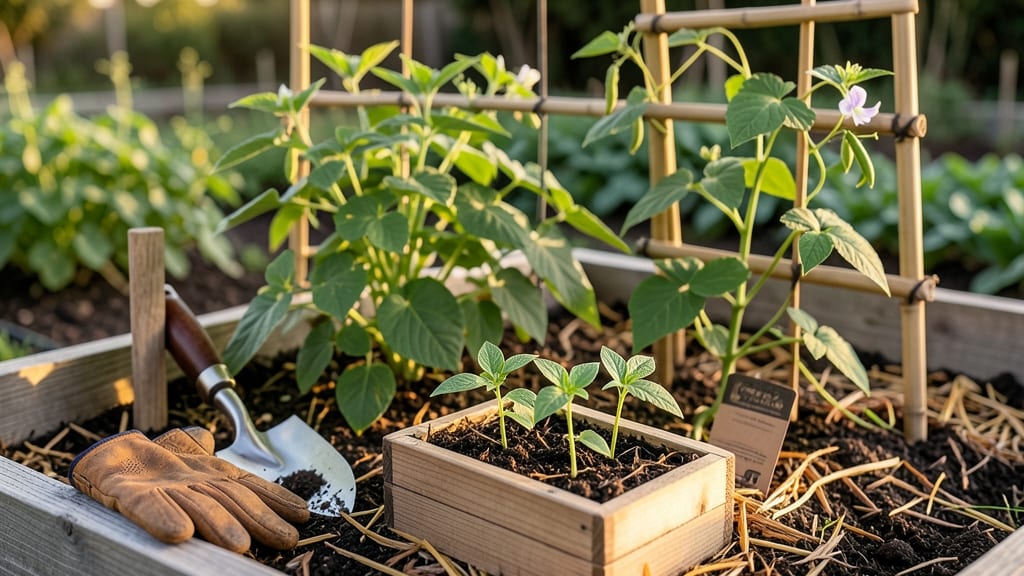
Timing your green beans 🌱 planting in Massachusetts can make or break your harvest—one late frost, and those tender seedlings turn into a sad, crunchy memory. The key isn’t just waiting for spring; it’s tracking soil temperatures and regional frost patterns that vary wildly from Boston to the Cape.
Most gardeners in zones 5b-7a know the drill: plant after the last frost (usually late April to early June), but what happens when May surprises you with a 50°F dip?
I’ll show you how to read the signs—soil warmth, leaf-out timing, and even your local nursery’s advice—to nail the perfect window for both spring and fall crops.
Whether you’re growing bush varieties for quick harvests or pole beans for a vertical feast, the right prep work (soil pH, spacing, and companion plants) turns good intentions into a bountiful harvest.
Let’s cut through the guesswork so you can enjoy fresh-picked beans from July through October without the stress.
Ready to ditch the “fingers crossed” approach? I’ll walk you through the exact steps—from soil tests to succession planting—that’ll have your green beans thriving when your neighbors are still scrambling to replant after frost. Let’s get those seeds in the ground the right way.
Massachusetts green bean planting schedule by soil temperature zones
Massachusetts' diverse climate means your green bean planting schedule should account for microclimates—coastal areas like Cape Cod warm faster than inland regions like Worcester. The golden rule? Wait until the soil reaches 50°F (10°C) for at least 2 weeks, with air temperatures consistently above 60°F (15°C).
This typically aligns with late April to early June for spring plantings, but timing varies by zone.
For fall harvests, aim for late July to early August plantings. These later plantings give beans time to mature before the first frost, which usually hits Massachusetts between mid-October and early November. Coastal areas like Boston may have 10-14 extra frost-free days compared to inland zones.
Here’s how to align your planting with Massachusetts' USDA Zones 5b-7a and local frost averages:
Pro tip: Use a soil thermometer to confirm temperatures before planting. Coastal areas like Cape Cod can be 1-2 weeks earlier than inland zones, so adjust accordingly. For pole beans, which take longer to mature, plant 2-3 weeks earlier than bush varieties to avoid frost-related losses.
If you’re unsure about your local frost dates, check the National Weather Service or your local Cooperative Extension Service for updates. Even a 5-day frost delay can mean the difference between a bountiful harvest and a failed crop.
For fall plantings, aim to harvest before the first frost. In Worcester, this might mean planting by July 15, while Cape Cod gardeners can push it to August 1. Use black plastic mulch to warm the soil faster and extend the season by 10-14 days.
Remember: Green beans are heat-loving but frost-sensitive. If temperatures drop below 40°F (4°C), growth stops, and beans become woody and tough. Always have a backup plan for late-season plantings, like row covers or a cold frame.
🌱
Massachusetts green bean planting schedule by soil temperature zones
Massachusetts isn’t one-size-fits-all when it comes to green bean planting—coastal areas like Cape Cod often warm up 2-3 weeks earlier than inland cities like Worcester. The golden rule?
Wait until your soil hits 50°F for 2+ weeks and nighttime temps stay above 55°F. This ensures seedlings sprout quickly and avoid frost damage.
For spring plantings, most regions can start seeds indoors in late April (4-6 weeks before last frost) or direct-sow outdoors in late May to early June. Fall plantings? Aim for late July to early August to harvest before the first frost (usually mid-October).
Here’s how to match your microclimate to the perfect planting window:
| Region | Last Frost Date | Soil Temp Threshold | Spring Planting Window | Fall Planting Window |
|---|---|---|---|---|
| Boston | Mid-May | 50°F+ for 2+ weeks | Late May - Early June | Late July - Early August |
| Worcester | Early May | 55°F+ for 2+ weeks | Early June | Early August |
| Cape Cod | Late April | 50°F+ for 1+ week | Late April - Early May | Mid-July - Late July |
Pro tip: Use a soil thermometer to confirm temps—don’t guess! If your garden sits in a frost pocket (common in valleys), err on the side of planting 2 weeks later than the average. I’ve seen late-May frosts wipe out entire rows of beans in Worcester—heartbreaking, but avoidable with patience.
For a second harvest, succession plant every 2-3 weeks until early July. This staggered approach ensures a steady supply of beans from July through September, even if Mother Nature throws a curveball.
Just remember: pole beans need more time to mature (60+ days) than bush beans (50-55 days), so adjust your timeline accordingly.
Now that you’ve got the timing down, let’s talk prep—because even the best schedule won’t save you if your soil isn’t ready. Next up: the step-by-step