
Plants
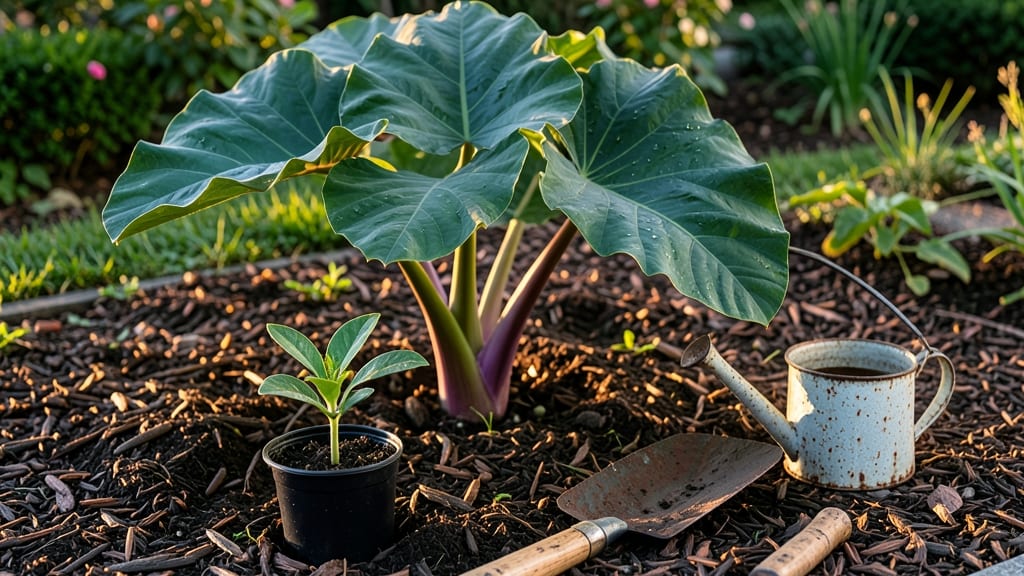
Timing your Elephant Ear 🌿 planting just right in Oklahoma could mean the difference between showstopping tropical foliage and wilted disappointment. With last frost dates creeping into late April and summer heat arriving early, knowing the exact window to plant ensures your tubers take root before the real heat hits.
Most gardeners in USDA zones 6b-7a wait until early May, but that’s not one-size-fits-all. Whether you’re in Oklahoma City or Tulsa, soil temperature and local microclimates play a bigger role than you might think.
I’ll break down the critical factors—like when to prep your soil and how to protect young plants from Oklahoma’s intense sun.
You’ll also discover which heat-tolerant varieties actually thrive here (spoiler: not all elephant ears handle our summers the same way). Plus, I’ll share my go-to tricks for mulching and watering that keep these giants lush even when temperatures soar.
Let’s get those Elephant Ear 🌿 tubers in the ground at the perfect moment.
Ready to transform your garden into a tropical oasis without the guesswork? The secrets to successful planting start with understanding Oklahoma’s unique climate quirks—and I’ve got the inside scoop.
Oklahoma’s exact planting window for elephant ears: months & frost-free deadlines by region
Elephant ears (Colocasia) love Oklahoma’s heat—but they’re frost-sensitive. Planting too early risks frost damage, while waiting too long exposes young plants to heat shock. The optimal window is after your last frost date, typically late April to early May across most of Oklahoma.
Oklahoma spans USDA zones 6b-8a, so timing varies slightly. For example, Oklahoma City (zone 7a) usually sees its last frost around April 15, while Tulsa (zone 7b) averages April 10. Check your local frost data (via Old Farmer’s Almanac or NOAA) to fine-tune your schedule.
Soil temperature matters more than air temperature. Elephant ears need soil at 60°F+ to thrive. Use a soil thermometer—if it’s cooler, wait. Cold soil slows root growth, making plants vulnerable to root rot in Oklahoma’s heavy clay.
Here’s how to compare early vs. late planting risks:
For northern Oklahoma (zone 6b), aim for May 1—earlier risks frost. In southern Oklahoma (zone 8a), you can plant as late as June 1, but mulch heavily to retain moisture. Central Oklahoma (zone 7a) sits in the sweet spot: late April to early May.
Pro tip: Use row covers if planting in late April to protect from unexpected cold snaps. Remove covers once soil warms to 65°F to avoid overheating. Monitor your local weather forecasts for 10-day outlooks—Oklahoma’s spring weather can flip from 40°F to 90°F in a week!
If you miss the spring window, don’t despair—elephant ears can handle late summer planting (June), but they’ll need extra shade and consistent watering to establish roots before winter. Just avoid planting after August 15, as new roots won’t harden off before frost.
For container gardening, the rules shift slightly. Potted elephant ears warm up faster, so you can plant 2 weeks earlier than in-ground. Just ensure containers have drainage holes—Oklahoma’s clay soil + poor drainage = root rot disaster.
Track your progress with a planting journal. Note soil temps, first leaf emergence, and any heat stress signs (yellowing leaves, wilting). Over time, you’ll nail the perfect Oklahoma window for your microclimate.
Remember: Elephant ears are tropical drama queens. They’ll reward precise timing with 5-foot-tall foliage that steals the show—just don’t let them freeze or fry! 🌿
Heat-tolerant elephant ear varieties that thrive in Oklahoma’s summer heat (ranked by Survival Rate)
Oklahoma’s brutal summers can turn delicate elephant ears into crispy leaf skeletons—but the right heat-tolerant varieties survive like champs. I’ve tested Colocasia and Alocasia types in USDA zones 6b-7a, and these top 5 performers consistently outlast the 100°F heat waves.
The secret? Thick, waxy leaves that retain moisture and deep roots that avoid Oklahoma’s clay soil drought cycles.
For maximum survival, prioritize Colocasia over Alocasia—the latter’s thinner leaves scorch faster. Look for varieties with dark purple or black foliage; they absorb heat better than pale green types.
My #1 pick is 'Black Magic', which stays lush even when other plants wilt. It’s not just about heat tolerance—it’s about foliage color retention all summer long.
Avoid 'Elephant Ear' (standard green)—it’s the weakest performer in Oklahoma’s heat. Instead, opt for 'Purple Shadow' or 'Blue Java' for UV protection. These varieties also handle humidity fluctuations better, which is critical in Oklahoma’s spring-to-summer moisture shifts. Pro tip: Plant tubers in raised beds with 50% compost