
Vegetables
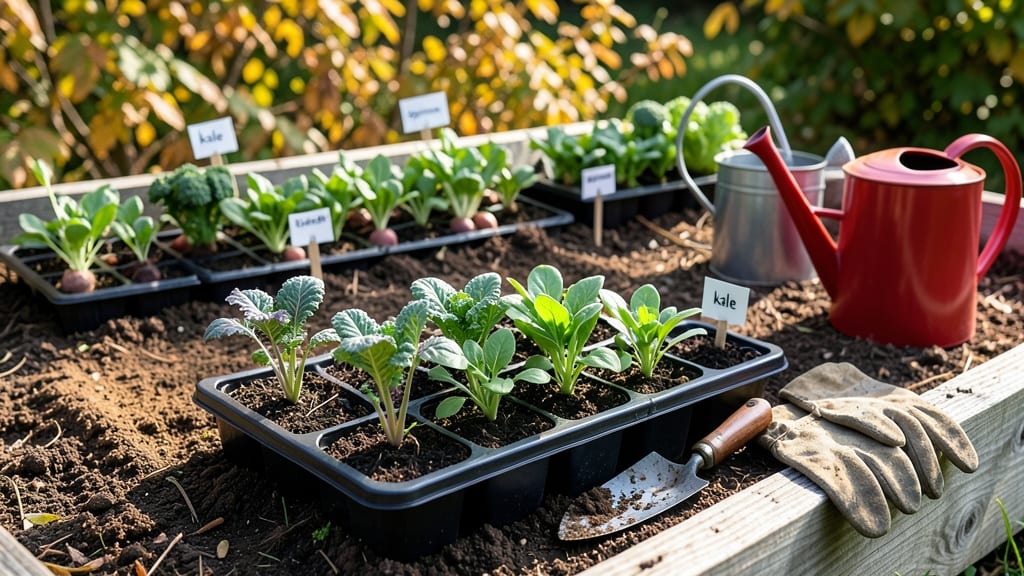
If you're dreaming of a bountiful fall harvest 🥬 in Ohio, getting your fall vegetables planted at the right time is the key to success. Plant too early, and frost will nip your crops in the bud; too late, and you’ll miss the sweet spot for flavorful, homegrown goodness.
The difference between a thriving garden and wasted seeds often comes down to timing—and Ohio’s Zone 6a climate demands precision.
For gardeners in Ohio, the ideal window to start planting cool-season crops like kale, spinach, and carrots is just 4-6 weeks before the first frost, typically between late July and early September.
But here’s the catch: Ohio’s unpredictable fall weather means you’ll need a flexible plan to protect your plants from early chills or stretch your harvest into winter.
In this guide, I’ll break down the exact frost-date timeline for Zone 5-6 crops, so you can plant with confidence. You’ll learn which vegetables thrive best in Ohio’s fall, how to adjust for microclimates, and simple tricks to extend your harvest season—even when the first frost looms.
Whether you’re a seasoned gardener or a beginner eager to try your hand at fall planting, these insights will help you avoid common mistakes and enjoy a longer, more productive growing season. Let’s get started!
Ohio fall planting timeline by frost dates (Zone 5-6)
Ohio’s Zone 5-6 climate creates a narrow window for fall planting—typically 4-6 weeks before the first frost. In most of Ohio, this means starting seeds or transplants between late July and early September.
However, the exact timing depends on whether you’re in northern Ohio (Zone 5) or southern Ohio (Zone 6), as frost dates can vary by 1-2 weeks between regions.
The average first frost date for northern Ohio (e.g., Cleveland, Toledo) is around October 15-20, while southern Ohio (e.g., Columbus, Cincinnati) often sees frost slightly later, around October 25-November 1.
To maximize your harvest, plan to plant fast-maturing varieties (like spinach or radishes) 6 weeks before frost and slower growers (kale, broccoli) 4 weeks out.
For direct-sown seeds, such as carrots or beets, start planting by mid-August in southern Ohio or early August in northern areas. Transplants like cabbage or Brussels sprouts can go in slightly later, around late August to early September, since they tolerate cooler soil better than seeds.
Pro tip: Use Ohio State University’s frost date calculator (or local Cooperative Extension offices) for your exact county, as microclimates—like valleys or urban heat islands—can shift frost dates by 3-5 days. This precision helps avoid bolt risk in heat-loving crops like lettuce or frost damage to tender greens.
🌱
| Region | Avg. First Frost | Ideal Planting Window | Seed vs. Transplant | Key Crops |
|---|---|---|---|---|
| Northern Ohio (Zone 5) | Oct 15–20 | Late July–early Sept | Seeds: Mid-Aug; Transplants: Late Aug | Spinach, radishes, kale, carrots |
| Southern Ohio (Zone 6) | Oct 25–Nov 1 | Late July–mid-Sept | Seeds: Late Aug; Transplants: Early Sept | Broccoli, cabbage, Brussels sprouts, beets |
| Urban Heat Islands | Oct 20–25 | Early Aug–early Sept | Seeds: Early Aug; Transplants: Late Aug | Lettuce, arugula, Swiss chard |
🌡️ Note: Adjust for early frosts by using row covers or cold frames.
Understanding your last frost date is just as critical as the first. In Ohio, the average last frost date ranges from April 15 in northern areas to April 25 in southern regions.
This means you can start cold-hardy crops like peas or potatoes as early as mid-April, but fall planting is all about working backward from that first frost.
For example, if your first frost is October 20, plant fast-maturing lettuce (30 days) by September 15 and slower kale (60 days) by August 20. This backward planning ensures your crops reach maturity before temperatures drop below 28°F, the threshold where most fall vegetables suffer damage.
Ohio’s unpredictable fall weather often brings early cold snaps, especially in northern counties. To hedge your bets, I recommend planting succession crops every 2 weeks from late July through mid-September. This staggered approach guarantees a continuous harvest even if an unexpected frost hits.
🌿
Don’t overlook soil temperature when planning. Most fall vegetables thrive in soil that’s 50–70°F. In Ohio, soil cools rapidly after Labor Day, so avoid planting seeds directly into cold soil—opt for transplants or raised beds to maintain warmth.
For instance, carrots and beets germinate best in soil above 60°F, while spinach and peas can tolerate cooler 50–60°F ranges.
Finally, extend your fall harvest with season extenders like row covers or cold frames. These tools can push your planting window 2–4 weeks later and protect crops from light frosts (28–32°F).
For example, broccoli and cabbage can survive 20°F with protection, while lettuce may bolt if exposed to temperatures below 30°F.
✂️
Best fall vegetables to plant in Ohio and their ideal start times
Ohio’s fall garden shines when you focus on cool-season vegetables that thrive in 50-60°F soil temperatures. The best choices for Ohio gardeners are leafy greens, root crops, and brassicas, which handle light frosts and even deliver sweeter flavors after a chill.
My top picks include kale, spinach, carrots, and broccoli, each with a unique planting window to maximize your harvest before winter sets in.
For leafy greens like spinach and lettuce, aim to sow seeds 6-8 weeks before your first frost date—typically mid-to-late July in most of Ohio.
These fast growers mature in 30-50 days, so timing is critical to avoid bolting (premature flowering) from summer’s residual heat. Kale and Swiss chard, on the other hand, are more frost-tolerant and can be planted 4-6 weeks before frost, often yielding sweeter leaves after a light frost.
- 1. Leafy Greens (Spinach, Lettuce, Kale): Mid-July to early August (6-8 weeks before frost). Harvest in 30-50 days.
- 2. Root Vegetables (Carrots, Beets, Radishes): Late July to early September (4-6 weeks before frost). Harvest before hard frost.
- 3. Brassicas (Broccoli, Cabbage, Brussels Sprouts): Early to mid-August (5-7 weeks before frost). Transplant seedlings for best results.
- 4. Alliums (Onions, Garlic, Leeks): Late August to early September (6-8 weeks before frost). Cold-hardy varieties thrive.
- 5. Peas (Snow Peas, Sugar Snap): Late August to mid-September (plant after soil cools below 80°F).
When it comes to root vegetables like carrots and beets, sow seeds 4-6 weeks before your first frost—typically late July to early September. These crops need consistent moisture and well-draining soil to prevent forking or cracking.
For broccoli and cabbage, start with transplants in early to mid-August (5-7 weeks before frost) to ensure they mature before winter. These brassicas benefit from fertile, slightly acidic soil (pH 6.0-7.0) and regular watering to prevent bitterness.
Don’t overlook peas and alliums, which are excellent choices for extending your harvest into late fall. Plant peas in late August to mid-September when soil temperatures drop below 80°F.
They thrive in cooler weather and can often be harvested well into November. Onions and garlic, planted in late August to early September, develop sweeter bulbs when exposed to fall and winter chills—a perfect example of how Ohio’s climate enhances flavor.
To stretch your harvest even further, consider successive planting every 2-3 weeks for crops like lettuce and spinach. This ensures a steady supply of fresh greens without overwhelming your garden at once.
For frost-sensitive crops like radishes, plant them in late August or early September for a quick harvest before temperatures drop too low. Always check seed packets for days to maturity to align planting with your local frost date.
Pro tip: Use row covers or cold frames to protect tender crops like lettuce from early frosts, extending your growing season by 2-4 weeks. This simple trick can mean the difference between a bountiful fall harvest and wasted seeds.
With the right timing and a little extra care, Ohio’s fall garden can be just as productive—and delicious—as spring or summer plantings.