
Plants
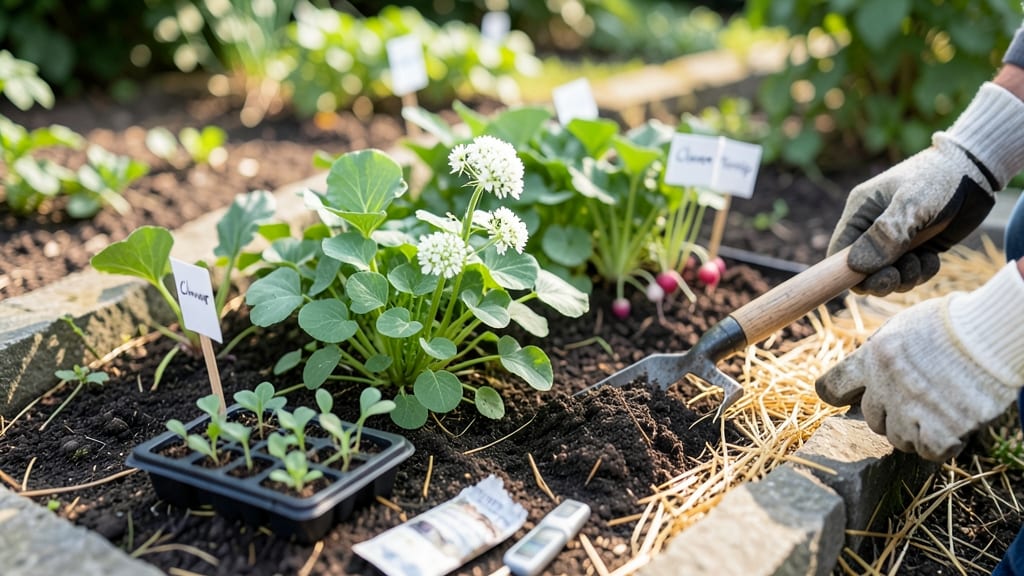
Planting your fall food plots 🌾 at the right time in Georgia could mean the difference between a whitetail buffet and a missed opportunity—here's the exact schedule hunters use to guarantee peak deer activity.
Most gardeners assume late September is the only window, but Georgia's 7a-8b climate actually gives you a 6-week planting window from mid-August through early October. That extra time means more flexibility to choose crops that thrive in your specific zone.
Why does timing matter so much? Because deer rely on fresh forage when acorns and natural food sources dwindle. Plant too early, and your plots might bolt before winter. Too late, and frost will stunt growth before deer can find them.
I'll show you how to match your planting date with soil temperatures, frost forecasts, and the most deer-attractive crops for your region—so you can create a food plot that keeps whitetails coming back all season long.
Optimal Georgia fall food plot planting dates by region (2024 guide)
Georgia’s diverse climate means fall food plot timing varies dramatically between North Georgia’s cooler zones and South Georgia’s warmer regions. Planting too early risks overgrowth before frost, while waiting too long leaves deer hungry during rut season.
Let’s break down the exact planting windows for maximum whitetail impact.
In North Georgia (USDA Zones 7a-7b), where first frosts hit by mid-November, aim to plant clover and brassicas between August 15 and September 15.
This gives plants 6-8 weeks to establish before cold snaps. Meanwhile, South Georgia (Zones 8a-8b) can push planting until early October thanks to later frosts.
Soil temperature is your best timing indicator. For most fall crops, wait until soil temps drop to 60-70°F—ideal for germination without heat stress. Use a soil thermometer to check before seeding.
Here’s how regional frost risks shape your schedule:
| Region | Key Crops | Ideal Planting Window | Soil Temp Threshold | Frost Risk |
|---|---|---|---|---|
| North Georgia (7a-7b) | Clover, Brassicas, Winter Wheat | August 15–September 15 | 60–70°F | High (mid-Nov) |
| Central Georgia (7b-8a) | Cereal Rye, Daikon Radish, Turnips | August 20–September 30 | 55–65°F | Moderate (late Nov) |
| South Georgia (8a-8b) | Brassicas, Winter Peas, Annual Ryegrass | September 1–October 5 | 50–60°F | Low (Dec) |
🌡️ Pro Tip: Adjust 1 week earlier for early frosts or 1 week later for late frosts.
For brassicas (like turnips and radishes), plant September 1-15 in North Georgia—they’ll bolt if seeded too early. In South Georgia, late September is perfect for cereal rye, which thrives in cooler temps and provides winter forage.
Always check local frost dates via the Georgia Climate Project or NOAA’s Frost Calculator. A 30-day forecast can save you from planting too close to frost. I once planted clover in late September in North Georgia—only for a hard freeze to wipe it out before establishment.
If you’re unsure about your zone, test soil temps daily for 3 days. Consistently below 60°F means it’s time to plant. For winter wheat, push planting to early October—it handles cold better than most crops.
Remember: Deer activity peaks in October-November during the rut. Plant 4-6 weeks before first frost to ensure peak biomass when bucks are most active. A well-timed food plot isn’t just about seeds—it’s about strategic hunger management.
🦌 Key Takeaway: North Georgia = August-September | South Georgia = September-October | Always prioritize soil temp over calendar dates.
Best fall food plot crops for Georgia whitetails (ranked by deer preference & growth speed)
Choosing the right crops for your Georgia food plots is half the battle—whitetails crave specific plants that provide both nutrition and cover. My top recommendations balance deer preference, growth speed, and Georgia's climate for maximum impact during hunting season.
Cereal rye stands out as the gold standard for fall planting, offering fast establishment and high protein content that deer devour. Plant it between mid-September and early October for peak fall forage, and it’ll keep deer feeding well into winter before bolting in spring.
Brassicas like turnips and radishes are another powerhouse, attracting deer with their sweet aroma and tender leaves. These cool-season crops thrive when planted late August to mid-September, delivering instant deer traffic within weeks.
My go-to blend includes daikon radish for its bold flavor and turnip greens for extra palatability.
Don’t overlook clover mixes, especially crimson clover or white Dutch clover, which establish well in late summer to early fall. These nitrogen-fixing plants create lush, deer-proof ground cover that persists through winter, making them ideal for perennial food plots in Georgia’s milder zones.
For late-season appeal, consider winter wheat planted in October. It provides high biomass and early spring forage, bridging the gap between fall and spring food sources when deer are most active.
Each crop has its strengths, but the key is matching your planting timeline to Georgia’s frost dates and deer behavior patterns. A well-planned mix ensures year-round forage, keeping whitetails on your property when it matters most.
Pro tip: Mix cereal rye with clover for a two-tiered food plot that provides both early-season forage and long-term cover. This combo works exceptionally well in Georgia’s Zone 7b-8a, where winters are mild enough for clover to persist.
Always check your seed packet for local planting dates and adjust based on your region’s last frost date. In North Georgia, aim for earlier planting (late August), while South Georgia can push into early October without frost risk.