
Planting
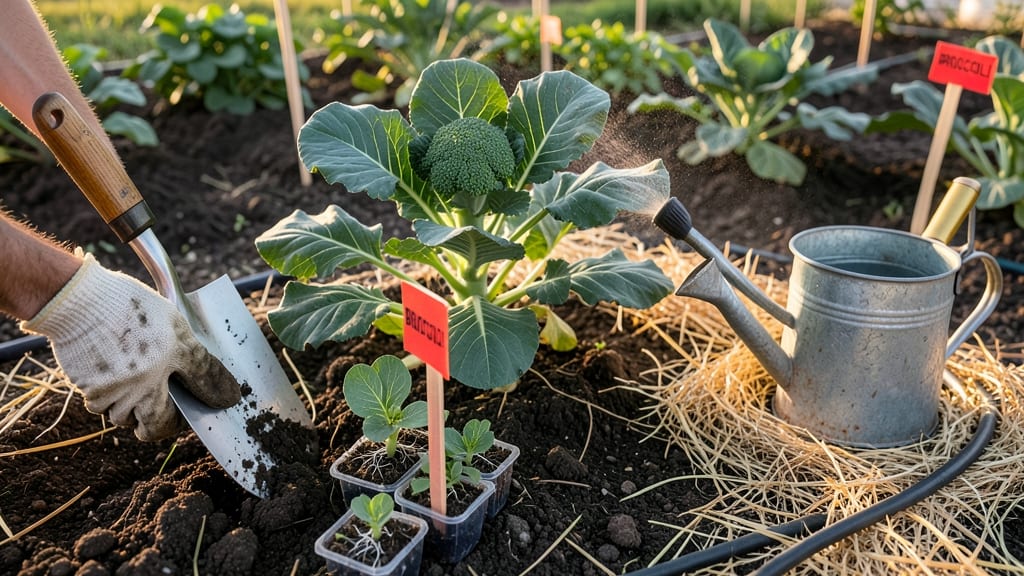
Timing when to plant a fall garden in North Texas can mean the difference between a bountiful harvest and wasted effort. The key isn't just knowing when to plant—it's understanding how heat zones 8a and 8b shift your window by weeks.
Skip the guesswork and plant your 🥕 greens, root crops, and brassicas at the perfect moment to beat the heat and the frost.
Most gardeners in North Texas make one of two mistakes: planting too early and watching seedlings wilt in September heat, or waiting too long and missing the mid-August to mid-October window entirely.
The solution? A heat-zone-specific planting calendar that accounts for your exact last frost date—November 15—so you can stretch your harvest from October through December.
In this guide, I’ll break down the exact dates for planting everything from broccoli to carrots, plus how to adjust for late heatwaves or early cold snaps.
You’ll also learn which crops thrive in North Texas’ short growing season and how to prep your soil for maximum success—no more bolted lettuce or stunted radishes.
Ready to grow a fall garden that actually produces? Let’s dive into the step-by-step schedule that’ll have your 🥕 thriving when others are still figuring it out.
North Texas fall planting calendar by heat Zone (8a vs 8b)
North Texas spans USDA Hardiness Zones 8a and 8b, where first frost dates can vary by 10-14 days between regions. Zone 8a (northern areas like Denton) typically sees frost by November 15, while Zone 8b (southern areas like Austin) holds off until November 25.
These differences mean your planting window shifts based on location.
For a successful fall garden, aim to plant cool-season crops 6-8 weeks before frost. In Zone 8a, that’s mid-to-late August for early varieties, while Zone 8b gardeners can wait until early-to-mid September.
Soil temperatures also play a critical role—most fall crops thrive when soil is between 55°F and 75°F.
🌱
| Zone | First Frost Date | Ideal Planting Window | Soil Temp for Germination | Example Crops |
|---|---|---|---|---|
| 8a (Denton, Waco) | Nov 15 | Mid-Aug to Late Sept | 55°F–75°F | Lettuce, Kale, Broccoli, Carrots |
| 8b (Austin, San Antonio) | Nov 25 | Early Sept to Mid-Oct | 55°F–75°F | Spinach, Radishes, Turnips, Swiss Chard |
| Both Zones | N/A | Late Sept–Early Oct | 60°F–70°F | Green Onions, Peas, Collards |
🌱 Pro Tip: Use a soil thermometer to confirm temps before planting.
If you’re planting transplants (like seedlings from a nursery), start 4-6 weeks before your zone’s first frost. For direct-sown seeds (e.g., carrots, radishes), wait until soil temps drop below 85°F—typically late August to early September—to avoid heat stress.
North Texas summers often linger into September, so monitor weekly high temperatures. If heatwaves persist, delay planting until nighttime temps consistently drop below 80°F. Use shade cloth or plant in partial shade to protect young seedlings.
For longer-season crops like broccoli or cabbage, start seeds indoors in late July and transplant outdoors in early September. This gives them time to mature before frost. Shorter-season crops like radishes or lettuce can be sown directly 2-3 weeks before frost for a quick harvest.
💧 Watering Tip: After planting, keep soil consistently moist (1-2 inches per week) to encourage root growth. Use drip irrigation or soaker hoses to avoid wetting foliage, which reduces disease risk.
One common mistake in North Texas is planting too early and facing bolting (premature flowering) in heat-loving crops like lettuce. To prevent this, choose heat-tolerant varieties (e.g., Romaine lettuce, Black Seeded Simpson spinach) or use shade cloth during peak afternoon sun.
🌿 Extend Your Season: Use row covers or cold frames to push harvests into December. In Zone 8a, this can add 4-6 extra weeks of growing time for crops like kale and collards.
Finally, test your soil’s pH and nutrient levels in early fall. Most fall crops prefer a slightly acidic to neutral pH (6.0–7.0). Amend with compost or aged manure 2–3 weeks before planting to give nutrients time to integrate into the soil.
Best fall crops for North Texas and their planting windows
North Texas’ fall garden thrives when you plant the right crops at the right time. Cool-season vegetables like kale and carrots love the crisp air, while herbs such as cilantro and parsley flourish with fewer pests.
The key? Start 6-8 weeks before the first frost (mid-October for most of North Texas) to ensure a bountiful harvest before winter sets in.
For heat-sensitive crops, focus on leafy greens and root vegetables that tolerate cooler temperatures. These plants not only survive but thrive in North Texas’ mild fall weather, often producing sweeter flavors after a light frost.
Below, I’ve ranked the top 10 fall crops by ease of growth and yield potential, along with their ideal transplanting windows.
🌱 Top 10 Fall Crops for North Texas
- 🥬 Lettuce (Leaf & Head) – Plant late August to early September for harvest before frost. Prefers cool soil (60-70°F) and partial shade in peak heat.
- 🥕 Carrots – Sow mid-August to early October. Loose, well-draining soil prevents forking. Harvest before hard frost for tender roots.
- 🥬 Kale – Transplant late August to mid-September. Sweeter after light frost. Needs full sun (6+ hours) and rich compost.
- 🌿 Spinach – Plant early September to early October. Fast-growing (30-40 days to harvest). Avoid planting too early—bolts in heat.
- 🥬 Broccoli – Transplant mid-August to early September. Head forms in 60-80 days. Protect from cabbage worms with row covers.
- 🌱 Radishes – Sow late August to mid-October. Ready in 25-30 days. Perfect for interplanting with slower crops like carrots.
- 🌿 Swiss Chard – Plant late August to early October. Cut-and-come-again harvest. Tolerates light frost and drought better than spinach.
- 🌿 Cilantro – Sow September to early October. Bolts quickly in heat. Harvest leaves before flowering for best flavor.
- 🌻 Sunflowers (Short Varieties) – Plant late August to early September. Attracts pollinators. Choose dwarf varieties (3-4 ft) for fall gardens.
- 🌿 Parsley – Transplant late August to early October. Biennial—returns next year. Thrives in partial shade and moist soil.
🌱 Pro Tip: Pair fast growers (radishes, lettuce) with slow growers (broccoli, carrots) to maximize space!
If you’re new to fall gardening in North Texas, start with easy-to-grow crops like lettuce or radishes. These fast-maturing vegetables give you quick wins while you learn the rhythm of your local climate.
For longer-season crops like broccoli or kale, plan to harvest before the hard frost date (mid-November) or use row covers to extend the season.
Don’t overlook herbs and flowers in your fall garden! Cilantro and parsley add flavor, while sunflowers and marigolds attract beneficial insects. These low-maintenance plants fit seamlessly into your fall routine and often survive light frosts, giving you greens well into winter.
For maximum yield, rotate crops yearly to prevent soil depletion. Add compost or aged manure before planting to boost nutrient levels. North Texas soil can be clay-heavy in some areas, so amending with organic matter improves drainage and root development.
Remember: Soil temperature matters more than air temperature for germination. Use a soil thermometer to ensure seeds are planted when soil is below 80°F. In North Texas, this usually aligns with late August to early September for most cool-season crops.
With the right fall crops and precise planting times, your North Texas garden can be productive well into winter. Start with these top 10 plants, and soon you’ll be harvesting fresh greens, roots, and herbs long after your summer garden fades away! 🌿