
Planting
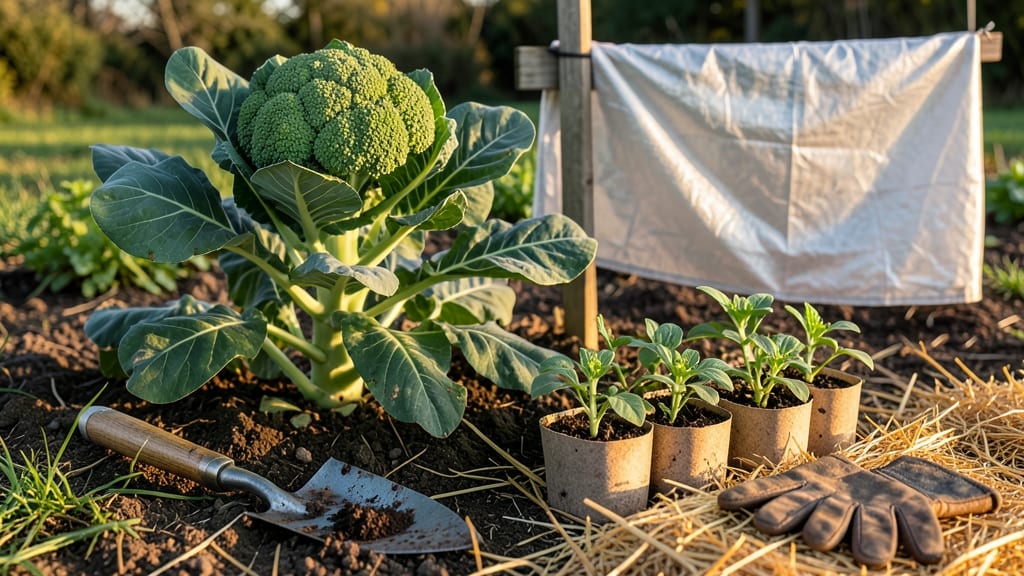
Planting your fall garden in Mississippi at the wrong time could mean the difference between a bountiful harvest and a sad pile of frost-bitten leaves. With Mississippi’s unique Heat Zone 8A climate, timing isn’t just important—it’s your secret weapon for beating frost and pests.
Most gardeners in the Magnolia State know the basics, but here’s the kicker: planting 4-6 weeks before your first frost (typically mid-November) isn’t just a suggestion—it’s a rule. Why?
Because those extra weeks let your 🥬 fall vegetables mature before the chill sets in, giving you crisp kale, sweet radishes, and hearty greens when others are still dreaming of spring.
I’ve seen firsthand how a well-timed fall garden can extend your harvest well into December, even in Mississippi’s humidity. The key? Choosing the right crops, prepping your soil, and knowing exactly when to put those seeds in the ground.
Let’s break down the perfect planting window so you can avoid common mistakes and enjoy a garden that keeps giving long after summer fades.
Whether you’re a seasoned gardener or just starting out, this guide will help you make the most of Mississippi’s fall growing season—no guesswork, just results. Ready to turn your backyard into a harvest hotspot? Let’s get started.
Mississippi fall planting calendar: heat zone 8A timeline by crop type
Mississippi’s Heat Zone 8A gives you a 6-8 week fall growing window—but timing is critical to avoid early frost damage or overly hot soil. The average first frost date is November 15, so plan to plant 4-6 weeks before that date for most crops.
This means starting in late August to early October, depending on the crop’s days to maturity.
Cool-season crops like kale and spinach thrive when soil temps drop below 85°F, while warm-season holdovers (like tomatoes or peppers) need to be planted by early August to mature before frost. Let’s break it down by category so you can maximize your harvest.
| Crop Category | Planting Window (Heat Zone 8A) | Soil Temp Requirement | Days to Maturity | Mississippi Notes |
|---|---|---|---|---|
| Cool-Season Vegetables | Late August – Mid-September | 50–75°F (ideal for germination) | 30–60 days | Best for kale, spinach, radishes, and carrots. Use row covers for extra protection. |
| Warm-Season Holdovers | Early August (transplant) | 70–85°F (minimum) | 60–90 days | Focus on tomatoes, peppers, and beans. Harvest before October 1 to avoid frost. |
| Root Crops | Mid-August – Early September | 60–75°F (loose soil needed) | 45–70 days | Carrots, beets, and turnips do best in well-drained soil. Avoid clay-heavy patches. |
| Herbs & Greens | Late August – Late September | 55–70°F (tolerates cooler temps) | 20–50 days | Cilantro, parsley, and lettuce bolt in heat, so plant after September 15. |
For fastest results, prioritize crops with 30–50 days to maturity, like radishes or bush beans. These give you a harvest before the first frost, even if planted in late September.
Meanwhile, longer-season crops (e.g., kale or broccoli) need to go in by mid-August to avoid stunted growth.
Mississippi’s humidity and clay soils can slow germination, so pre-soak seeds and amend beds with compost to improve drainage. Aim for 1–2 inches of water per week, delivered in the morning to prevent fungal diseases like downy mildew, which thrives in fall’s damp conditions.
Pro tip: Use a soil thermometer to check temps before planting. Cool-season crops need soil below 80°F, while warm-season holdovers struggle if soil drops below 65°F. If temps are too high, wait 1–2 weeks or use shade cloth to protect seedlings.
Don’t forget to succession plant! For crops like lettuce or spinach, sow new seeds every 2–3 weeks from August through September. This ensures a continuous harvest until frost hits.
For example, plant a first batch in late August and a second batch in early September—the first will be ready by October, while the second extends your harvest into November.
If you’re pushing the envelope, consider cold frames or row covers to protect tender crops like cabbage or collards. These can push your harvest window 2–4 weeks later than the average frost date. Just be sure to remove covers during the day to prevent overheating.
Mississippi gardeners often over
How to extend your fall harvest: soil prep and seasonal adjustments for Mississippi gardens
Mississippi’s clay-heavy soils and humid climate demand extra prep to maximize your fall garden’s potential. Start by testing your soil’s pH level—aim for 6.0-7.0 for most cool-season crops like kale and spinach. If your soil is too acidic, amend it with lime 4-6 weeks before planting.
Incorporate 2-3 inches of compost or well-rotted manure to improve drainage and fertility. Mississippi’s high humidity can lead to fungal diseases, so avoid fresh manure, which heats up and attracts pests.
Instead, opt for aged compost or a balanced 10-10-10 fertilizer to give your plants a nutrient boost without risking overheating.
Extend your harvest window by 4-6 weeks using row covers or cold frames. These protect tender crops like lettuce and radishes from unexpected light frosts (as low as 28°F). For extra insulation, lay down straw mulch around plants to regulate soil temperature and retain moisture.
Choose fast-maturing varieties suited to Mississippi’s short fall season. For example, ‘Winter Density’ kale matures in 50 days, while ‘Cherry Belle’ radishes are ready in just 25 days. These varieties ensure you can harvest before the first frost, typically around November 15 in Heat Zone 8A.
Monitor your garden closely for late-season pests like aphids or cabbage worms, which thrive in Mississippi’s mild fall weather. Use neem oil or insecticidal soap as a preventive spray, applying in the early morning to avoid harming beneficial insects like ladybugs.
Finally, plan for succession planting by sowing every 2 weeks until mid-October. This staggered approach ensures a continuous harvest of leafy greens and root vegetables, even as temperatures drop. With the right prep, your Mississippi fall garden can thrive well into December!