
Vegetables
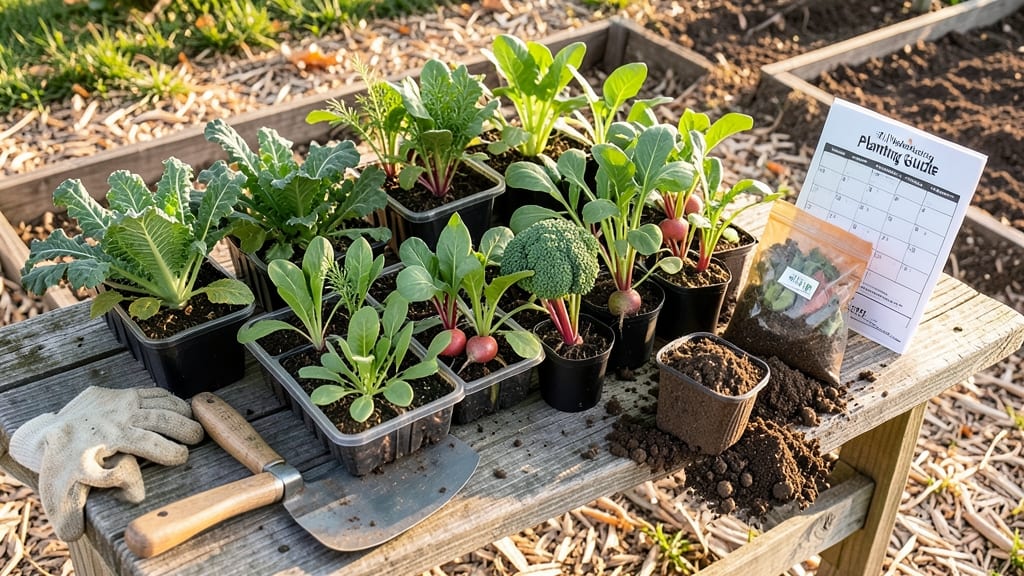
Knowing when to plant fall vegetables in Zone 5 can mean the difference between a bountiful harvest and wasted effort. If you've ever watched your hard work go to waste because of a late frost or rushed planting, you're not alone—many gardeners face this same challenge.
The key lies in timing your plantings just right, so your 🥬 greens, root crops, and brassicas mature before winter sets in.
For Zone 5 gardeners, the window to plant fall vegetables is narrow but critical—typically between mid-July and early September. This schedule ensures your crops have enough time to grow before the first frost hits around October 1.
Whether you're growing cold-hardy kale or frost-sensitive broccoli, getting these dates right is the most important step to a successful harvest.
In this guide, I’ll break down the exact weeks before frost you should plant each type of vegetable, along with soil prep tips and variety recommendations tailored for Zone 5.
You’ll also learn how to adjust your planting schedule if frost comes early or late, so you’re never left guessing. Let’s make sure your fall garden thrives, not just survives.
By the end, you’ll have a clear, actionable plan to maximize your harvest—no more second-guessing or last-minute scrambling. Whether you're a seasoned gardener or just starting out, these strategies will help you grow a garden that’s as rewarding as it is delicious. Ready to dig in?

Exact weeks before frost to plant fall vegetables in Zone 5
Zone 5 gardeners know the first frost typically arrives around October 1, but that doesn’t mean your fall garden is doomed. With the right timing, you can grow hearty vegetables like kale, carrots, and spinach well into winter.
The key is planting at the perfect window—4 to 6 weeks before frost—to ensure crops mature before temperatures drop too low.
For most cool-season vegetables, this means starting seeds in mid-July to early August for a late fall harvest. However, some crops like broccoli and cabbage can handle cooler temps and may even thrive when planted closer to frost.
Understanding these nuances will help you avoid the heartbreak of wasted seeds or underdeveloped harvests.
Below is a planting timeline tailored to Zone 5’s climate, listing the ideal weeks before frost for popular fall vegetables. This schedule assumes an average first frost date of October 1, but I’ll show you how to adjust if frost comes early or late later in this guide.
| Vegetable | Weeks Before Frost | Planting Window (Zone 5) | Notes |
|---|---|---|---|
| Leafy Greens (Lettuce, Spinach, Swiss Chard) | 3-4 weeks | Late August - Early September | Fast-growing; can tolerate light frost |
| Root Crops (Carrots, Beets, Radishes) | 4-5 weeks | Mid-July - Late August | Slow to mature; avoid planting too late |
| Brassicas (Broccoli, Cabbage, Kale) | 5-6 weeks | Early to Mid-July | Cold-hardy; can handle light frost |
| Peas | 6-7 weeks | Late June - Early July | Early varieties preferred; avoid late plantings |
| Green Onions, Radishes | 2-3 weeks | Late August - September | Quick harvest; ideal for succession planting |
If you’re planting transplants instead of seeds, adjust these timelines slightly. For example, broccoli seedlings can be planted up to 6 weeks before frost, while spinach seeds should go in the ground 3-4 weeks before frost for a quick harvest.
Always check the seed packet for specific recommendations—some varieties are bred for faster growth in cooler temps.
Pro tip: Use row covers or cold frames to extend your planting window by 2-3 weeks. These tools protect tender crops from early frosts and can even allow you to plant lettuce or spinach as late as mid-September in Zone 5.
Just be sure to remove covers during the day to prevent overheating.
For succession planting, focus on fast-growing crops like radishes or green onions. Sow a new batch every 2 weeks starting in late August to ensure a continuous harvest.
This strategy works especially well for crops with a short maturity time, like radishes (30 days) or arugula (45 days).
One mistake I see often is planting warm-season crops like tomatoes or peppers in the fall. These need longer growing seasons and won’t mature before frost. Stick to cool-season vegetables for fall planting—your garden (and wallet) will thank you.
Finally, always check your soil temperature before planting. Most fall vegetables prefer soil temps between 45°F and 75°F. If your soil is still too warm (above 80°F), wait a few weeks or use shade cloth to cool it down.
A simple soil thermometer is a game-changer for nailing your planting schedule.
With this timeline, you’ll avoid the two biggest pitfalls: bolting (when plants flower prematurely) and underdeveloped harvests. Next, I’ll show you how to adjust these dates if frost arrives early or late in your specific Zone 5 microclimate.
Exact weeks before frost to plant fall vegetables in Zone 5
In Zone 5, your fall harvest hinges on planting at the right time—typically 4-6 weeks before the first expected frost (usually around October 1). This window ensures vegetables mature before winter sets in, but timing varies by crop type.
For example, leafy greens like spinach and kale can handle cooler temps, while root crops like carrots need more time to bulk up.
Start by checking your local frost date—most Zone 5 gardeners aim for mid-August to early September plantings. Use this as your anchor, then adjust based on the vegetable’s days to maturity.
A 30-day crop like radishes can be planted as late as September 15, while 60-day broccoli needs to go in by mid-August.
🌱 SUMMARY TABLE: Planting Weeks Before Frost for Zone 5
| Vegetable | Weeks Before Frost | Last Planting Date | Notes |
|---|---|---|---|
| Leafy Greens (Spinach, Kale, Lettuce) | 3-4 | September 1-15 | Cold-hardy; can tolerate light frost |
| Root Crops (Carrots, Beets, Radishes) | 6-8 | August 1-15 | Need warm soil to germinate; harvest before hard frost |
| Brassicas (Broccoli, Cabbage, Brussels Sprouts) | 8-10 | July 15-August 1 | Slow growers; start seeds indoors for head start |
| Green Beans, Peas | 4-6 | August 15-September 1 | Vining crops; harvest pods before frost |
| Turnips, Collards | 5-7 | August 10-September 10 | Dual-purpose (greens + roots); cold-tolerant |
For succession planting, sow fast-growing crops like radishes or lettuce every 2 weeks until mid-September. This ensures a continuous harvest and minimizes wasted space. For example, plant a new row of spinach every 3 weeks—your first batch will be ready to harvest just as the second is sprouting.
Always check soil temperatures before planting. Most fall vegetables prefer 50-70°F soil. Use a soil thermometer to confirm—cool soil can delay germination. If your soil is too warm (above 80°F), wait a few days or use shade cloth to cool it down.
Pro tip: Mark your calendar with your local frost date and work backward. For instance, if frost hits October 1, plant broccoli seedlings by August 15 to ensure a 60-day harvest window. Adjust for early or late frosts by using row covers to extend the season.