
Plants
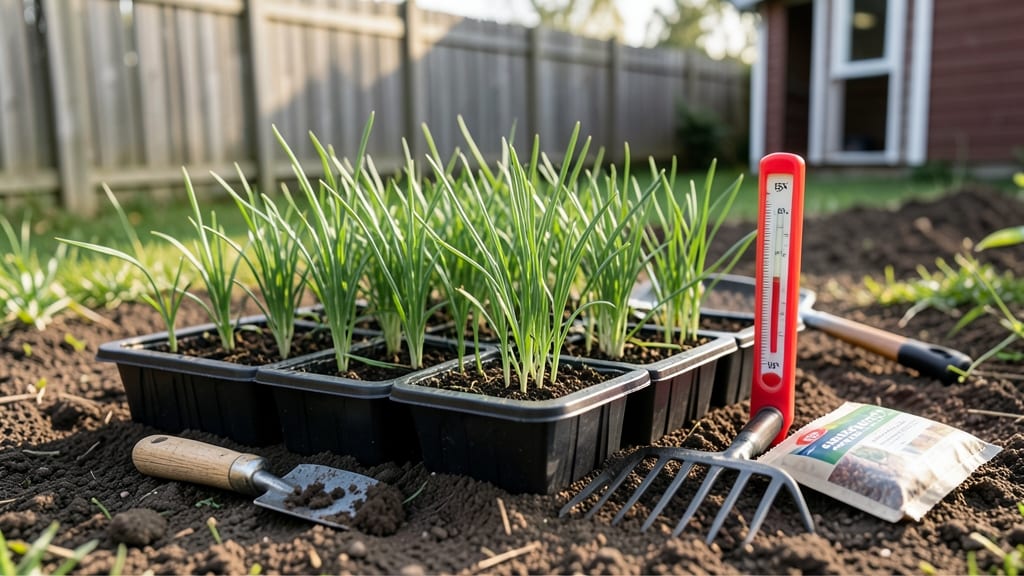
Timing your fescue grass planting in spring is the key to a lawn that thrives all season long—not one that struggles against the heat. If you plant too early, frost can damage tender shoots, while waiting too long risks summer drought stress.
The ideal window is 4-6 weeks before your last frost date, giving roots time to establish before temperatures climb.
For most gardeners in USDA Zone 6a (like me!), that means aiming for early to mid-April—just as the soil warms but before the sun gets too intense.
This timing isn’t just about avoiding frost; it’s about giving your 🌱 fescue grass the cool, moist conditions it craves for strong root growth. Think of it as giving your lawn a head start before the real heat kicks in.
But here’s the thing: your exact planting date depends on more than just the calendar. Soil temperature, local weather patterns, and even your lawn’s current condition (new seed vs. overseeding) all play a role.
I’ll walk you through how to adjust your timeline based on these factors—so you can avoid common mistakes and set your lawn up for success from day one.
Ready to get started? Let’s break down the exact steps to prepare your soil, choose the right planting window for your zone, and recognize the signs you’re planting at the perfect (or wrong) time. Your future lawn will thank you!
USDA Zone-specific deadlines for planting fescue in spring
Planting fescue grass at the right time in spring ensures strong root establishment before summer heat sets in. The best window is 4-6 weeks before your last frost date, but this varies dramatically by USDA zone.
In colder zones (3-5), you can start as early as late February, while warmer zones (8-10) should wait until March or early April.
Fescue thrives when soil temperatures stay between 50°F and 65°F—too cold delays germination, and too hot stresses young seedlings. Aim for consistent daytime temps above 55°F to kickstart growth without risking heat shock. Checking your local frost dates (via the National Weather Service) is key—don’t guess!
Here’s a quick breakdown of ideal planting windows by zone to help you time it perfectly:
| USDA Zone | Ideal Planting Window | Soil Temp Goal | Key Consideration |
|---|---|---|---|
| 3-5 (Cold Climates) | Late February–Early April | 50°F–55°F | Watch for late frosts; use frost cloth if needed. |
| 6-7 (Temperate) | Early March–Mid-April | 55°F–60°F | Balanced risk of frost and heat; aim for mid-March. |
| 8-9 (Warm Climates) | March–Early April | 60°F–65°F | Plant early to avoid summer drought stress. |
| 10 (Hot Climates) | Early March–Late March | 65°F+ | Prioritize shade and mulch to retain moisture. |
For example, if you’re in Zone 6a (like much of the Midwest), target mid-March for planting. This gives your fescue 6-8 weeks of cool weather to establish roots before summer’s intensity. In Zone 9 (Southern California), wait until late March to avoid heat stress—your seeds need consistent moisture to germinate.
Pro tip: Use a soil thermometer to verify temps before planting. Stick it in the ground at 4-inch depth—this is where your fescue roots will grow. If it’s below 50°F, wait a week or two. Patience here pays off with thicker, healthier grass come summer.
Regional quirks matter too. Coastal areas (like Pacific Northwest) may have milder springs, allowing earlier planting, while inland zones (like Great Plains) can swing wildly—check microclimates in your yard (e.g., shady spots stay cooler). Adjust your timeline by 1-2 weeks based on local conditions.
Once you’ve nailed the timing, focus on soil prep. Fescue prefers slightly acidic soil (pH 6.0–7.0) and benefits from compost or peat moss to improve drainage. Avoid heavy clay or sandy soils unless amended—these can stunt root growth. Test your soil 4 weeks before planting to address any issues.
Remember, overseeding (adding seed to an existing lawn) has a slightly later window—aim for late spring (May) when your lawn is actively growing. This gives new seedlings time to compete with established grass without smothering.
🌱
USDA Zone-specific deadlines for planting fescue in spring
Getting your fescue grass planted at the right time in spring is key to a healthy lawn. Unlike warm-season grasses, fescue thrives in cooler temperatures, so timing matters. The ideal window is 4-6 weeks before your last frost date, giving seeds time to germinate before summer heat sets in.
But exact deadlines vary by USDA zone—here’s what you need to know for your region.
For example, gardeners in USDA Zone 3-5 (like Minnesota or Maine) can start as early as late March, while those in Zone 7-10 (like Texas or Florida) should wait until mid-April to early May.
The goal is to plant when soil temperatures hover between 50°F and 70°F—too cold, and germination stalls; too hot, and seeds dry out.
| USDA Zone | Planting Window | Soil Temp Goal | Key Tip |
|---|---|---|---|
| 3-5 (Cold Climates) | Late March–April | 50°F–60°F | Use frost cloth for early starts. |
| 6-7 (Temperate) | Mid-April–May | 55°F–65°F | Avoid planting after May 15. |
| 8-10 (Warm Climates) | Early April–May | 60°F–70°F | Shade seeds if temps exceed 75°F. |
If you’re unsure about your last frost date, check the National Weather Service or local agricultural extension office. Pro tip: Plant tall fescue slightly earlier than fine fescue, as it germinates faster in cooler soil.
For overseeding existing lawns, aim for early spring or late summer to minimize competition with established grass.
Once you’ve nailed the timing, focus on soil prep—aeration and compost are your best friends for root growth. But if you plant too early, frost can kill tender sprouts, while late planting risks summer drought stress. Balance is everything!
For regions with unpredictable springs, like the Midwest, consider a two-phase approach: sow a small test patch in early spring, then expand if germination succeeds. This hedges your bets against late frosts or dry spells.
Remember, fescue’s deep roots need time to establish before summer’s heat arrives. Planting too late leaves your lawn vulnerable to weeds and heat stress. Check your zone, mark your calendar, and get those seeds in the ground before the window closes!