
Plants
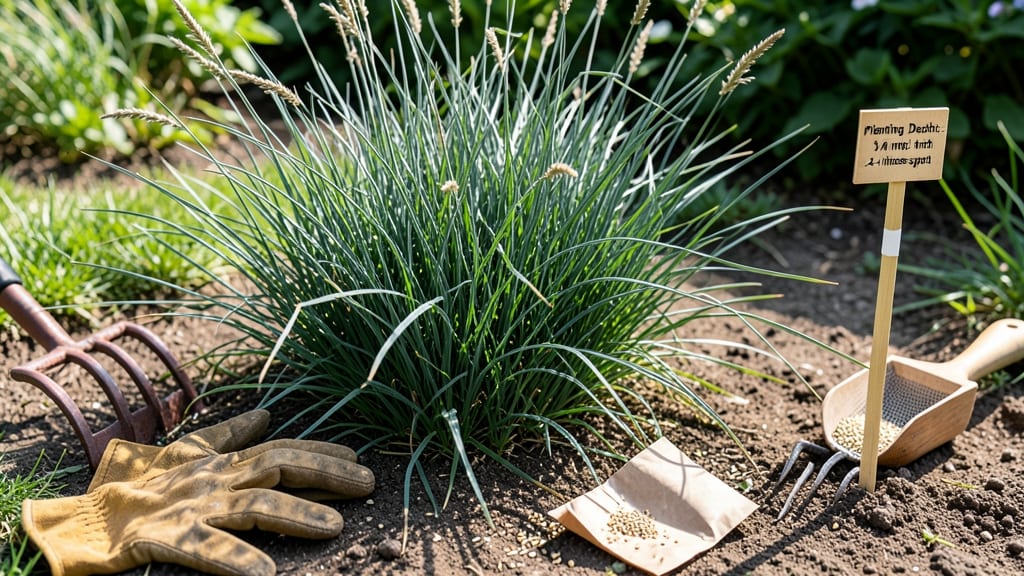
If you're dreaming of a thick, green lawn in Atlanta, when to plant fescue seed in Atlanta is everything—because timing your planting too early or late can leave you with patchy results.
The secret lies in Atlanta’s unique climate, where late summer to early fall creates the perfect balance of warmth and moisture for strong root growth.
Most gardeners overlook how Atlanta’s USDA Zone 7b-8a shifts the ideal window, but getting it right means the difference between a lawn that thrives and one that struggles. I’ll show you exactly when to plant for maximum success, plus how to prep your soil and avoid common pitfalls.
You don’t need a green thumb—just the right timing and a few simple steps. Let’s break down the 6-week fall window that works best for Atlanta’s heat, humidity, and first frost dates, so you can enjoy a lush lawn all year.
Ready to transform your yard? Here’s how to time it perfectly and keep your Fescue Grass looking its best through Atlanta’s seasons.
Optimal fall planting window for Atlanta fescue seed
Atlanta’s USDA Zone 7b-8a climate creates a 6-week sweet spot for planting fescue seed—typically from mid-September to late October. This window balances cool soil temperatures (60-75°F ideal) with moderate rainfall, giving seeds the perfect conditions to germinate without stress.
Planting outside this range risks heat stress (if too early) or frost damage (if too late).
Fescue thrives in Atlanta’s fall transition because the daylight hours shorten, reducing evaporation while keeping soils warm enough for root development. Unlike cool-season grasses, fescue won’t bolt in the heat, making late summer/early fall the only safe window for seed germination in our climate.
Miss this timing, and you’ll end up with patchy, slow-growing grass.
Here’s the golden rule: Aim to plant 4-6 weeks before your area’s first frost date (typically November 15 in Atlanta). This gives seeds 6-8 weeks of active growth before winter slows them down.
For example, if your frost date shifts to November 1, plant by early October.
| Planting Stage | Atlanta Timeline | Soil Temp | Key Action |
|---|---|---|---|
| Seed Germination | Mid-September | 60-75°F | Lightly rake soil, sow seeds |
| Root Establishment | October | 55-65°F | Water deeply 2x/week |
| Winter Hardening | Late October-Nov | 45-55°F | Reduce watering, fertilize |
Atlanta’s microclimates can shift your ideal planting window by 1-2 weeks. For example, elevated areas (like Buckhead) stay warmer longer, while low-lying spots (near the Chattahoochee) cool faster. Check your yard’s exposure: South-facing slopes may support planting until early November, while north-facing yards should start by mid-September.
Use these local landmarks to gauge readiness:
- Goldenrod blooms (late Sept) = soil’s cooling
- Mornings dew-free by 10 AM = heat’s fading
- Nighttime temps below 70°F = seed stress risk drops
Pro tip: Overseed in late fall (November) if your initial planting was light. Fescue seeds can germinate until early December if soils stay above 40°F. Just reduce watering as temps drop to prevent rot. For best results, combine fall planting with spring overseeding in March to fill gaps.
Atlanta’s 2023-2024 frost trends show earlier frosts (as early as October 25 in some areas), so err on the earlier side if you’re unsure. Start with mid-September and adjust based on weekly weather forecasts from the NOAA Atlanta office.
Their 14-day outlooks predict soil moisture—critical for fescue’s first 30 days.
Remember: Fescue’s deep roots (up to 6 inches) need consistent moisture during germination. If Atlanta’s fall drought hits (like in 2020), supplement with 1 inch of water weekly until sprouts appear. A rain gauge helps track your yard’s actual precipitation.
Optimal fall planting window for Atlanta fescue seed
Atlanta’s 6-week fall window—from mid-September to late October—is the sweet spot for planting fescue seed. During this time, soil temperatures hover between 60°F and 75°F, perfect for germination while avoiding summer’s brutal heat or winter’s dormancy.
This timing lets fescue establish deep roots before winter, making your lawn resilient to Atlanta’s hot summers and mild freezes.
Fescue thrives when planted 4-6 weeks before the first frost, which in Atlanta typically lands around mid-November. Starting too late risks weak growth before winter slows everything down. Conversely, planting too early—like in early August—can stress seeds with high heat and drought, leading to poor establishment.
| Planting Stage | Ideal Timeframe | Soil Temp | Daylight |
|---|---|---|---|
| Seed Preparation | Mid-September | 65°F-75°F | 12+ hours |
| Germination Peak | Late September | 60°F-70°F | 11-12 hours |
| Root Establishment | October (early) | 55°F-65°F | 10-11 hours |
| Hardening Off | Late October | 50°F-60°F | 10 hours |
*Adjust dates 1-2 weeks earlier for north Atlanta (cooler microclimates) or later for south Atlanta (warmer).
Atlanta’s USDA Zone 7b-8a means we don’t get harsh winters, but early fall heat spikes can still stress new seedlings. Aim to finish planting by October 15th to give roots time to anchor before temperatures dip.
If you miss this window, consider spring overseeding in March, though results won’t be as robust as fall planting.
Pro tip: Check the 7-day forecast for consistent rainfall or plan to water daily for 10-15 minutes after planting. Fescue seeds need moisture to germinate, but Atlanta’s clay soil can dry out quickly. A light mulch (like straw) helps retain moisture without smothering seeds.
Don’t overlook microclimates in Atlanta. Shady spots under trees may need an earlier start (early September), while south-facing lawns can handle planting until mid-October. Use a soil thermometer to confirm temps are in the 60°F-75°F range before seeding.
For best results, pair planting with a light nitrogen fertilizer (like a 10-10-10 blend) to encourage early growth. Avoid heavy fertilizers—they can burn tender seedlings. Once established, fescue’s deep roots will handle Atlanta’s summer droughts like a pro.