
Flowers
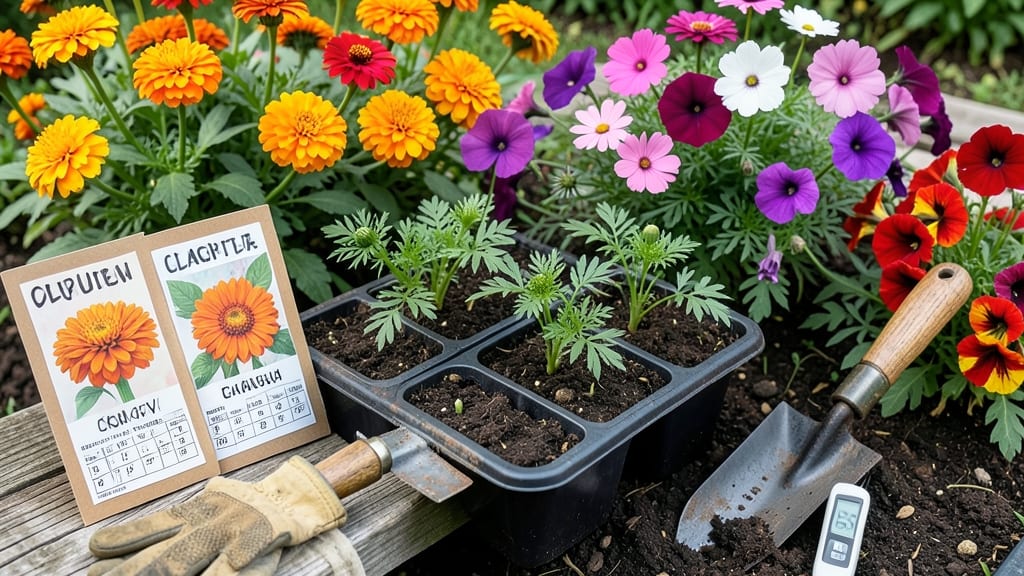
Timing is everything when it comes to planting flower seeds in Indiana—and getting it wrong can mean the difference between a vibrant garden and wasted effort. With Indiana's 5b-6b hardiness zones, frost dates shift yearly, making it tricky to know exactly when to start.
Most gardeners in Indiana wait until after the last frost date—typically around mid-April—but the real secret lies in soil temperature and flower type. Some seeds, like marigolds and zinnias, thrive when planted directly after the frost, while others need a head start indoors.
In this guide, I’ll break down the exact planting windows for spring and fall, so you can avoid common mistakes and maximize your blooms. Whether you're a beginner or a seasoned gardener, these Indiana-specific tips will help you plant with confidence.
Ready to transform your garden? Let’s dive into the best times to plant 🌸 flower seeds and keep them thriving all season long.
Indiana frost dates by Zone: exact timing for flower seed planting
Indiana’s USDA Hardiness Zones 5b-6b mean your last frost date typically falls between April 15-30, but this can shift ±10 days yearly. Knowing these dates prevents frost damage to tender seedlings and ensures optimal bloom times.
For example, Zone 5b (northern IN) has a later last frost than Zone 6b (southern IN), so timing matters!
Start by checking your local microclimate—urban areas like Indianapolis may warm faster than rural spots. Use soil thermometers (aim for 60°F+) and frost-free date averages as your guide. Cold-hardy flowers like pansies or snapdragons can handle light frosts, while marigolds or zinnias need warmer soil.
Here’s your zone-specific planting timeline for Indiana’s most popular flowers, including cold-tolerant and heat-loving varieties:
For fall planting, aim for seeds to germinate 6–8 weeks before your first frost (Oct 15). Cool-season flowers like asters thrive in 55–65°F soil, while warm-season varieties (e.g., cosmos) can handle late summer heat if sown by August 15.
Pro tip: Use Indiana’s 165 frost-free days to plan succession planting. For example, sow zinnias every 2 weeks from May 1–June 15 for continuous blooms until frost. Track your garden’s progress with a planting journal to refine timing yearly.
If you’re unsure about your exact last frost date, check the National Weather Service or local Cooperative Extension office. They provide hyperlocal data that’s more accurate than zone averages. For container gardening, you can plant 2 weeks later since pots warm faster.
Remember: Indiana’s climate shifts—a late spring frost in May isn’t unheard of! Use frost cloth
Best flower seeds to plant by month in Indiana (with survival tips)
Indiana gardeners know timing is everything—especially when sowing flower seeds. While March through May and August through September are your prime windows, some flowers thrive with late summer succession planting to extend blooms until frost.
Let’s break down the best seeds to plant each month, plus my top survival tips for Indiana’s variable climate.
For early spring (March-April), focus on cold-hardy annuals like snapdragons and sweet alyssum, which tolerate light frosts. These can be started indoors 6-8 weeks before last frost (around February 15) for a head start.
Perennials like black-eyed Susans and bee balm also appreciate an early start when soil temps hit 50°F.
🌱 Early Spring (March-April)
- Snapdragons – Start indoors Feb 15; transplant after last frost (April 15)
- Sweet Alyssum – Direct sow when soil is 50°F+; tolerates light frost
- Black-Eyed Susans – Sow seeds March 1; mulch to protect from late frosts
- Lupines – Needs stratification; sow March 15 in well-draining soil
Shift to late spring (May) for heat-loving annuals like zinnias and marigolds. These thrive when soil temps reach 60°F+, so wait until May 1 to avoid damping-off disease. For summer (June-July), succession plant cosmos and sunflowers every 2-3 weeks to ensure continuous blooms.
☀️ Late Spring/Summer (May-July)
- Zinnias – Direct sow May 15; deadhead for longer blooms
- Marigolds – Sow April 30; repel pests naturally
- Cosmos – Succession plant every 3 weeks until July 15
- Sunflowers – Start indoors June 1 for fall harvest
Don’t overlook fall planting (August-September)! Cool-season flowers like pansies and calendulas thrive when sown 6-8 weeks before first frost (around August 15). These provide color until snowfall and often survive light frosts.
For tender perennials like salvia, start seeds indoors in July to transplant by August 1.
Pro tip: Use row covers for early spring or late fall plantings to extend your growing season by 2-3 weeks. In Indiana’s Zone 5b-6b, this can mean the difference between a 4-week vs. 8-week bloom cycle!
Always water deeply in the morning to prevent fungal diseases, especially during our humid summers.